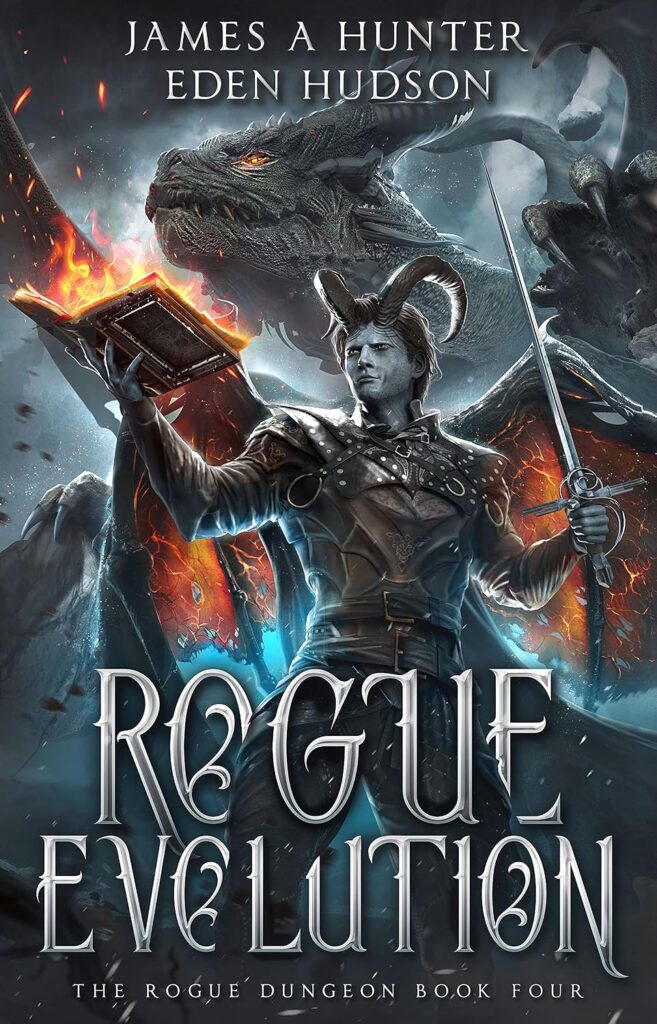
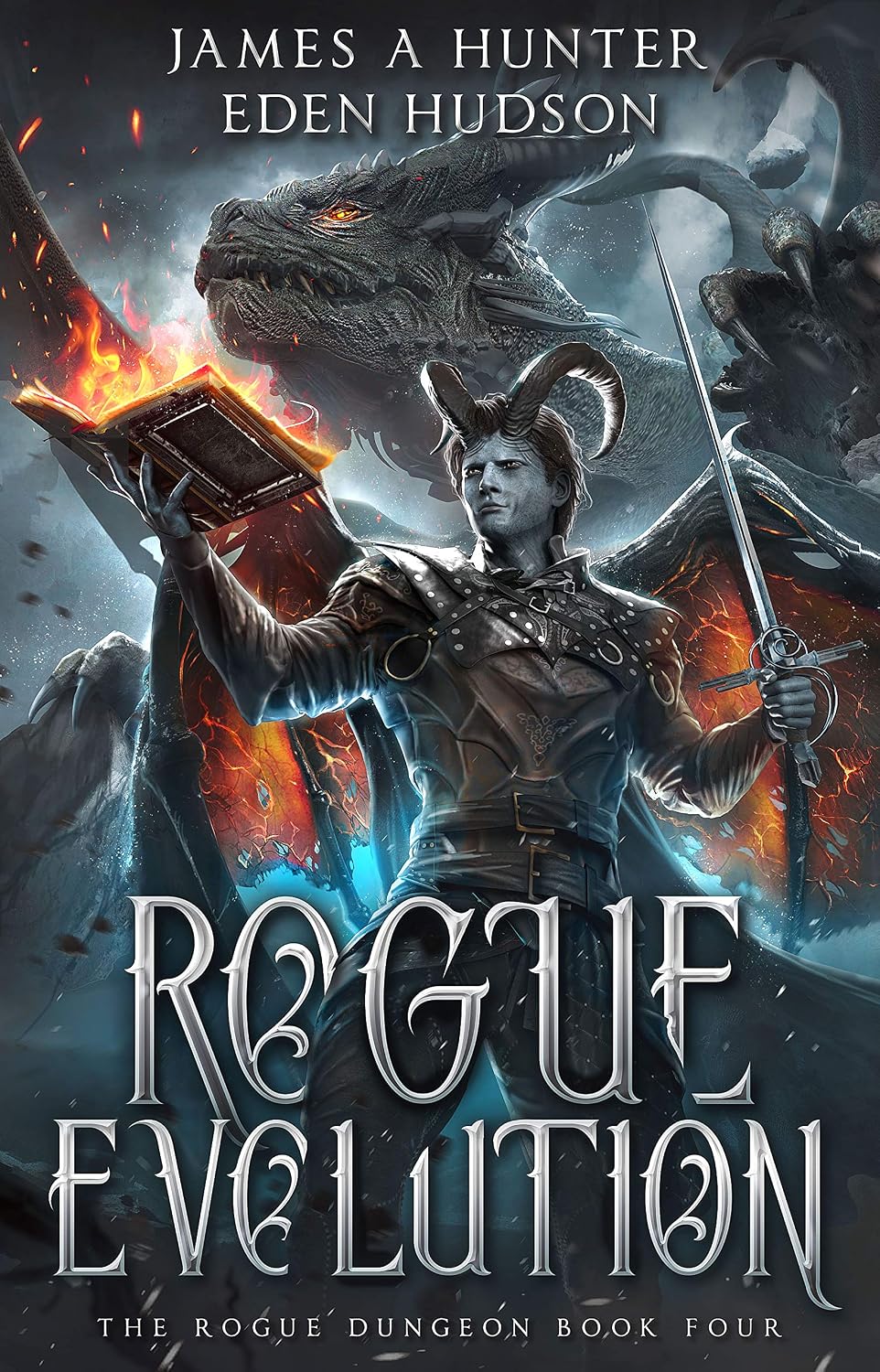
Rogue Evolution continues the narrative arc of The Rogue Dungeon series, authored by James A. Hunter and eden Hudson. The story follows protagonist Roark von Graf, who has built an influential nation utilizing the mechanics of griefed players…
Quick Verdict
Rogue Evolution delivers a satisfying continuation for followers of the series who want higher stakes, new strategic layers via mega-evolutions, and a heavier dose of tactical gameplay. It respects the established tone while expanding the universe outward. Skip this volume if you prefer standalone narratives or dislike stories driven by explicit statistical progression and game mechanics. For everyone else already invested in Roark's survival, it is a natural and engaging next step on the bookshelf.Disclosure: As an Amazon Associate, LiaGuide earns from qualifying purchases. Affiliate relationships do not determine our editorial conclusions.
Premise and Core Setup
Rogue Evolution continues the narrative arc of The Rogue Dungeon series, authored by James A. Hunter and eden Hudson. The story follows protagonist Roark von Graf, who has built an influential nation utilizing the mechanics of griefed players and disgruntled mobs. Having pushed his way up to the level cap of the Troll Evolutionary Path, Roark finds himself facing overwhelming opposition from Lowen, the right-hand mage of the Tyrant King, alongside the Divine armies of the game's most powerful dungeon. To counter these high-level threats, Roark relies on a stolen World Stone Pendant, employing its transmutation magic to unlock a transformative cheat known as Mega-Evolutions. Meanwhile, the broader conflict escalates as the Tyrant King prepares a hidden weapon designed to exploit Roark's specific vulnerabilities while his Troll Nation remains locked in an intense battle for survival.Reading Experience and Genre Mechanics
As a title within the LitRPG genre, the book bridges the gap between unquantifiable real-world narrative structures and heavily quantifiable game mechanics. Review feedback highlights the text's ability to make these calculated transitions readable and relatable without sacrificing the intricate statistical depth expected by fans of the genre. The pacing reflects a high-stakes dungeon-core adventure, balancing systemic progression—such as evolutionary paths and level caps—with tactical, large-scale faction conflict. Readers looking for steady character growth paired with heavy tactical adjustments will find the underlying narrative rhythm aligns closely with established collaborative works by these authors, such as Viridian Gate Online and Path of the Thunderbird. Readers diving into Rogue Evolution encounter a familiar loop of stat-grinding, strategic territory building, and escalating system mechanics, anchored by the protagonist Roark von Graf's ongoing struggle against formidable divine and player-driven forces. Authored by James A. Hunter and eden Hudson, the narrative leans heavily into quantifiable progression, moving past standard leveling hurdles to introduce transmutation magic and powerful evolutionary thresholds that shift the tactical landscape. Feedback highlights that the pacing successfully balances large-scale faction conflict with minute-to-minute tactical upgrades. For enthusiasts of the genre who appreciate clear numerical growth, the integration of new gameplay modifiers provides a steady stream of dopamine without stalling the plot's forward momentum. However, readers who prefer character-driven drama over dense mechanical optimization may find the heavy focus on stats and tactical scaling demanding. The story assumes familiarity with established LitRPG frameworks, meaning newcomers might need a brief adjustment period to parse how the world's quantifiable rules govern character survival and territory control. When evaluating the pacing and structural progression, reviewers consistently characterize the book as a fast, tightly written romp that rarely drags. Action sequences are frequently described as dynamic and high-stakes, driven by clever spell shenanigans, unique evolutionary paths, and sudden tactical shifts. Readers who value crunch and game mechanics appreciate that the authors maintain a strict adherence to stat updates and system notifications, avoiding the tendency of long-running series to discard game elements as the plot grows in scale. At the same time, a minority of readers note structural shifts between installments, pointing out that base-building takes a backseat in favor of internal character evolution and preparation for upcoming skirmishes. Despite this pivot away from traditional fortress construction, satisfaction remains exceptionally high because the core promise of creative game elements, unexpected twists, and constant momentum is vigorously fulfilled.- Maintains a rapid, page-turning pace with high-energy combat choreography
- Consistent integration of stat updates and system mechanics without dropping crunch
- Strategic shift from heavy base-building toward internal evolution and tactical prep
Reader Fit and Decision Signals
This installment is well-suited for established fans of James A. Hunter and eden Hudson, as well as readers deeply invested in dungeon-core progression fantasies, stat-heavy progression systems, and anti-hero-driven nation-building arcs. Those who have followed Roark's journey through previous installments of The Rogue Dungeon will find the continuation directly answers narrative threads established earlier in the series. Conversely, readers who prefer traditional high fantasy without explicit game UI elements, status tables, or level-cap mechanics should skip this title in favor of standard epic fantasy alternatives. Newcomers to the series should also check out the earlier volumes first rather than starting here, as the plot relies heavily on previously established faction dynamics and evolutionary milestones. Jumping into this installment requires an established comfort with heavy stat tracking, game loops, and numbers-driven progression. Because the narrative leans hard into evolutionary mechanics and tactical upgrades, readers looking for a fast, light narrative devoid of mechanical crunch might find the pacing occasionally dense. On the flip side, fans of progression fantasy who relish seeing protagonists squeeze strategic advantages out of tight spots will appreciate the depth of the world-building. James A. Hunter and eden Hudson keep the stakes high, balancing raw numerical power-ups with genuine threats to Roark von Graf's hard-earned Troll Nation.Tone and Character Dynamics
The atmospheric balance in this installment leans into high-stakes survival against overwhelming odds. Roark's position as an anti-hero figure—having built his success on the backs of competing players and disgruntled mobs—infuses the interactions with a pragmatic, gritty edge that separates the series from standard heroic fantasy adventures. Review patterns indicate strong appreciation for how the co-authors manage external pressures, particularly the looming threat posed by the Tyrant King's right-hand mage, Lowen, and the Vault of the Radiant Shield. The opposition feels genuinely consequential, forcing the protagonist to rely on risky alliances and unconventional mechanics rather than straightforward power scaling. Readers should note that the tone remains unapologetically centered on tactical domination and systemic warfare. Those seeking lighter comedic elements or soft fantasy world-building will encounter a much more relentless, mechanics-first environment designed around relentless conflict and strategic defense.Bridging the Gap: Real-World Quantifiable Systems and Immersive Worldbuilding
Readers repeatedly point to the fundamental challenge that LitRPG authors face when translating unquantifiable human experiences into rigid, numbers-driven game systems. While many titles in the genre rely on a heavy-handed acceptance of stat blocks and attribute assignments, reviewers note that this particular installment and its parent series opt for a much more natural progression. By establishing an initially grounded world before seamlessly weaving in quantifiable mechanics, the narrative preserves reader suspension of disbelief without forcing clunky exposition dumps.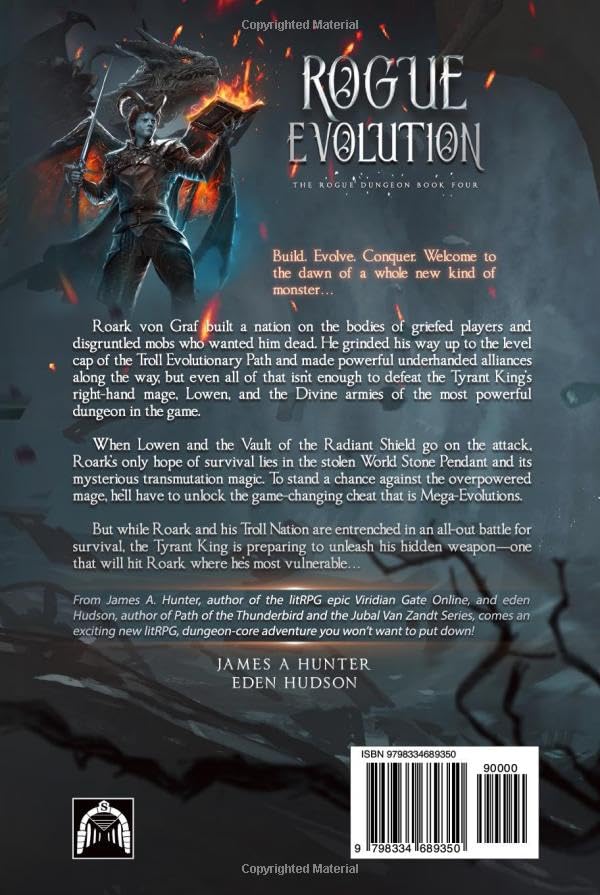
- Smooth transition from unquantifiable real-world concepts to game-system mechanics
- Avoids clunky exposition dumps in favor of natural immersion
- Complex plotting that remains accessible without excessive lore bloat
Character Growth and the Evolution of the Troll Nation
A recurring point of praise among readers is the surprising depth of character development found outside of traditional stat blocks. While many entries in the LitRPG space treat characters as static vehicles for damage numbers, reviews highlight an engaging shift where dynamic arcs transform initial impressions. Readers frequently mention going from outright despising certain figures to genuinely cheering them on and appreciating their humorous antics. Focus within the narrative centers heavily on the Cruel Citadel, where Roark and his Troll Nation must confront the harsh realities of impending war against powerful divine armies and elite mages. Rather than focusing solely on large-scale base construction, this installment narrows its lens onto internal personnel management, leadership challenges, and the pressing need to train new recruits. Readers observe that Roark is forced to learn hard lessons about effective command, while the trolls themselves must strive to overcome their evolution limits to stay competitive.- Character progression extends far beyond simple numerical stat increases
- Shifts focus toward internal leadership, personnel management, and recruit training
- Emotional arc encourages readers to warm up to previously disliked personalities
Real-World Bleed and Multi-Server Stakes
Another group responds enthusiastically to the expanding scope, which pulls the virtual world's conflicts directly into reality through the magic of the World Stone Pendant. Reviewers frequently compare this narrative expansion to parallel gaming-thriller styles where in-game anomalies begin threatening external servers and corporate stability. The introduction of corporate backstabbing, server-wipe plots, and executive panic injects a fresh layer of tension into the overarching conflict. The inclusion of distinct real-world figures—such as Randy the Arboreal Herald attempting to survive corporate bureaucracy while dodging termination, and Scott representing the quintessential, high-energy internet gamer persona—receives notable attention. While these character archetypes lean into familiar stereotypes, readers find their contrasting perspectives amusing and effective at grounding the larger-than-life multiverse threats with relatable, if exaggerated, human behavior.- Narrative expands to include real-world consequences and corporate intrigue
- Balancing bureaucratic workplace humor with high-stakes server destruction plots
- Use of distinct real-world character archetypes to anchor the virtual conflict
Reader Reception Trade-Offs: Base Management Versus Personal Evolution
One detailed review argues that while the book delivers exceptionally on character growth and system evolution, readers entering the text strictly for expansive fortress construction or foundational dungeon-building may notice a distinct shift in focus. Because the narrative pivots heavily toward managing the Cruel Citadel's internal hierarchy, raising level caps, and navigating real-world corporate subplots, the traditional pacing of empire-building temporarily slows down. Another group responds differently, welcoming this exact pivot as a necessary maturation of the plot. They argue that expanding the scope beyond static walls to include polymorphism traits, dimensional hoodoo, and multi-server stakes prevents the series from growing stale. For prospective readers, recognizing this deliberate pivot helps align expectations regarding whether they prefer macro-level empire management or micro-level character transformations.- Trade-off between macro-level base expansion and micro-level character evolution
- Some readers miss the heavy dungeon-construction focus of earlier segments
- Others praise the pivot toward multi-server stakes and personal polymorphism traits
Pros and Cons
✓ Pros
- Seamlessly bridges unquantifiable human experiences with rigorous LitRPG stat systems
- Engaging real-world corporate subplots that tie directly into the virtual game mechanics
- Surprising character depth and dynamic arcs that extend far beyond basic numerical progression
- Maintains strict adherence to system updates and crunchy game elements as the series scales
✕ Cons
- Reduces the primary focus on traditional base-building and dungeon-crafting compared to previous entries
- Real-world character archetypes like Scott lean heavily into familiar gamer stereotypes
Frequently Asked Questions
Do I need to read previous books in the series to understand this installment?
Yes. Readers strongly indicate that the ongoing war with Lowen, the state of the Troll Nation, and the expanding mechanics of the World Stone Pendant build directly on established continuity from earlier books.Does this book focus heavily on stats and game crunch?
Yes. Reviewers note that the authors maintain active stat updates, evolution paths, and system mechanics, satisfying fans of traditional LitRPG crunch.Final Verdict
Rogue Evolution has a clear case for readers whose tastes line up with its strongest supported qualities. Two strengths stand out. One strength is seamlessly bridges unquantifiable human experiences with rigorous LitRPG stat systems. Another strength is engaging real-world corporate subplots that tie directly into the virtual game mechanics. The main reason to hesitate is reduces the primary focus on traditional base-building and dungeon-crafting compared to previous entries. If that trade-off conflicts with your reading preferences, this is an easy title to skip; otherwise, the review evidence supports keeping it on your reading list.See current book details
Check the current formats and listing details for Rogue Evolution: A LitRPG Adventure on Amazon.
View on AmazonAffiliate link. Product details may change.