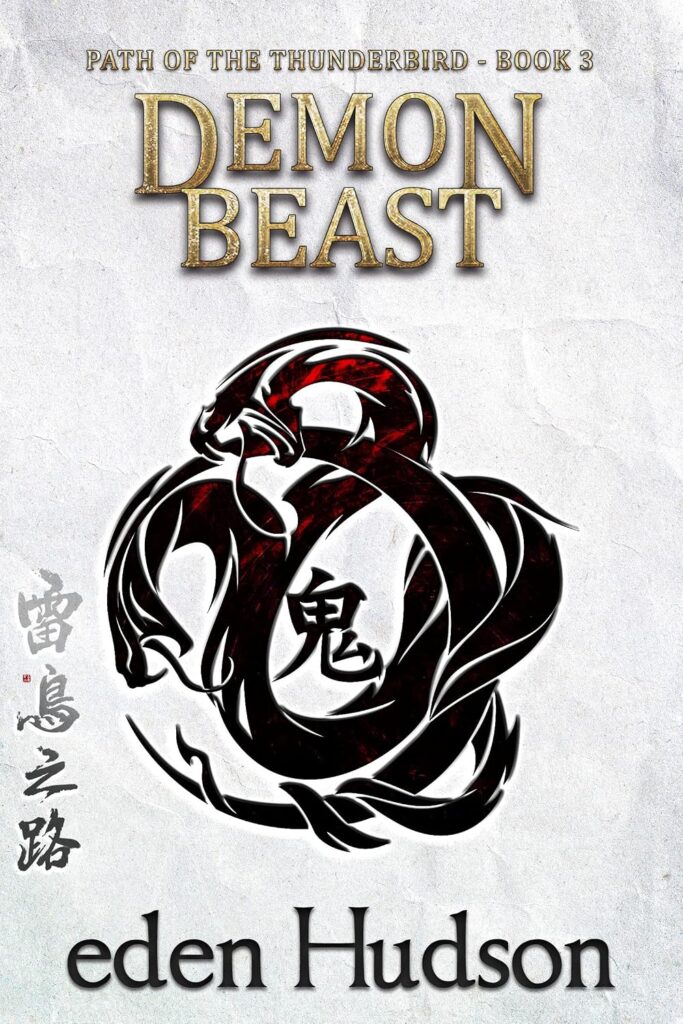
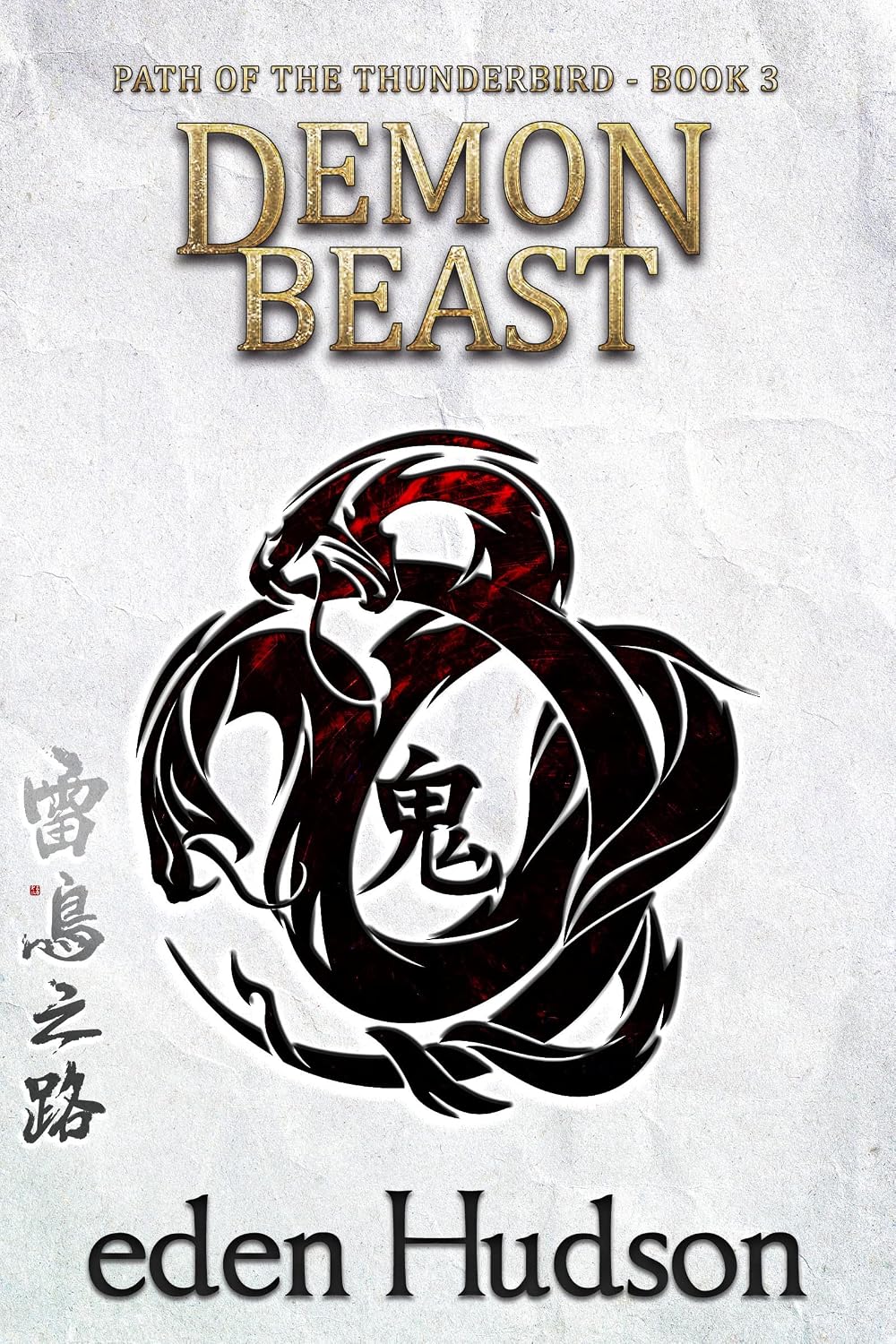
Demon Beast represents the third installment in eden Hudson's Path of the Thunderbird series, continuing a narrative arc deeply rooted in martial arts fantasy, xianxia, and xuanhuan traditions. The setup thrusts the protagonist Raijin into an extreme predicament:…
Quick Verdict
Demon Beast (Path of the Thunderbird) successfully deepens the overarching epic while challenging its central figures with steep moral and physical costs. Readers who have followed Raijin and Koida through previous installments will appreciate the high-stakes escalation, intricate lore, and satisfying payoff of long-simmering plotlines. If you love immersive martial arts fantasy, rich mythology, and character arcs defined by hard-fought transformation, this entry is a worthy addition to your shelf. However, newcomers to the series should begin with the earlier volumes to fully grasp the intricate cultivation mechanics and backstory.
Disclosure: As an Amazon Associate, LiaGuide earns from qualifying purchases. Affiliate relationships do not determine our editorial conclusions.
Opening and Core Premise
To break free and reunite with his betrothed, the disciplined warrior must cast aside his lifelong self-control and unleash the inner demon beast.
Parallel to Raijin's grueling ordeal in the spirit realm, the narrative follows Koida in the mortal world as she hunts for a clandestine ritual capable of mending her failing lifeforce. Saving the man she loves demands its own heavy toll, forcing her down a dark path toward the very traits she despises. This dual-track struggle frames a story where the pursuit of power exacts a severe moral price, shifting the traditional cultivation journey into much darker territory.
Reading Experience and World-Building
Reader feedback highlights a strong emphasis on elaborate craftsmanship, pointing to deep, intricate character development and a richly textured setting built through deliberate prose. Rather than rushing headlong from one action sequence to the next, the pacing allows room for the weight of past betrayals and the psychological strain of cultivation to register with the audience.
Fans of meticulous magic systems and layered Eastern-inspired mythology will find plenty to analyze in how the Immortal Path tests both combat skill and ethical boundaries. Hudson blends fast-paced combat scenarios with philosophical inquiries about sacrifice and identity, creating a reading texture that draws comparisons to atmospheric martial arts epics.
Readers engaging with this third volume point to a noticeable shift in structural cadence compared to its predecessors. Several supplied reviews note that the pacing feels more deliberate and measured in its middle sections, demanding a bit more patience from the audience as multiple plot threads and dual perspectives converge. Rather than rushing blindly through straightforward action sequences, the narrative takes time to interweave character arcs and shifting timelines, which a segment of the readership finds slightly tedious when immediate momentum in the primary timeline slows down.
Conversely, supporters argue that this methodical accumulation of detail is essential for laying the groundwork for the overarching conflict. The prose favors thematic depth and psychological friction over continuous, unbroken adrenaline, establishing an atmosphere where victory and defeat exist in constant tension. For readers who enjoy watching intricate story threads slowly pull together, this structure adds rewarding texture, even if it requires adjusting expectations away from a non-stop sprint.
Within the realm of Asian-inspired swords-and-sorcery, wuxia, and xianxia-influenced fantasy, the book earns considerable appreciation for its refusal to follow predictable narrative tracks. Reviewers highlight that foundational assumptions about the overarching conflict are intentionally disrupted, keeping the audience off balance in a way that feels refreshing. The world-building avoids cookie-cutter tropes, offering an immersive environment rich in thoughtful detail and unpredictable dramatic shifts.
The concluding momentum leaves a powerful, split impression tied directly to its structural role as a middle installment. Several readers note that the abrupt halt and unresolved trajectories echo classic middle-book syndromes, leaving protagonists in difficult, precarious positions as they await the next volume. For those prepared for a serialized journey with extended consequences, this cliffhanger builds eager anticipation for the next installment, whereas readers seeking immediate resolution may feel caught off guard by the unresolved stakes.
- Exhibits a more deliberate, measured middle phase compared to the faster tempo of earlier volumes.
- Relies on parallel perspectives and timeline management that demand reader patience before threads converge.
- Balances quieter world-building phases with sudden escalations that lead directly into major turning points.
- Blends wuxia and xianxia conventions with unpredictable plotting that constantly challenges reader assumptions.
- Delivers rich, atmospheric world-building supported by thoughtful detail rather than generic tropes.
- Employs a high-stakes, unresolved ending trajectory that functions effectively as a bridge to subsequent volumes.
Reader-Fit Signals and Series Context
This volume is tailored specifically for established followers of the Path of the Thunderbird arc, as well as general enthusiasts of dark progression fantasy, martial arts adventures, and cross-genre sci-fantasy hybrid worlds. Readers who appreciate complex character arcs, high-stakes cultivation progression, and themes of corruption versus discipline will feel right at home.
Anyone new to the overarching saga should note that picking up Demon Beast as a standalone entry will likely cause confusion regarding ongoing character relationships and historical betrayals. Those seeking a lighter, standalone adventure or quick-paced episodic fantasy may want to explore traditional high-fantasy alternatives instead of diving mid-stream into this darker mythological progression.
Progression, World-Building, and Pacing Mechanics
As the third entry in the Path of the Thunderbird series, Demon Beast deepens the cultivation mechanics and political maneuverings established in earlier volumes. Readers looking for meticulous world-building and intricate martial arts progression will find a narrative that rewards sustained attention rather than rushing through encounters. The pacing balances high-stakes confrontations with quieter, reflective character beats, allowing the underlying mythology of the setting to breathe.
The integration of xianxia and xuanhuan tropes feels earned within the established framework, avoiding shortcuts for character growth. However, those who prefer breakneck, battle-every-chapter pacing may find the deliberate exploration of internal conflict and spiritual cultivation demands a more patient reading style.
Character Dynamics and Emotional Stakes
The dual perspective featuring Raijin and Koida anchors the emotional core of the novel. Raijin's struggle with his internal demon beast mirrors Koida's desperate search for a ritual to cure her weakened lifeforce, creating a thematic resonance of sacrifice and transformation across both plotlines. Their separate trials emphasize the personal cost of the Immortal Path, ensuring that physical victories are always weighed against emotional and spiritual consequences.
Readers who value deep, complex characters over flat archetypes will appreciate how past betrayals and present threats shape their decisions. The supporting cast, including rival guardians and shadowy antagonists, adds friction without cluttering the central arcs, maintaining a focused intensity that keeps the stakes personal.
Series Trade-Offs and Genre Expectations
Readers diving into Demon Beast will find that eden Hudson leans heavily into intricate world-building and character internal struggles rather than non-stop, uncomplicated action sequences. The narrative balances dual perspectives between Raijin's grueling otherworldly imprisonment and Koida's desperate mortal-realm investigations, creating a sweeping dual-track journey that rewards patient pacing. Those looking for quick resolutions or standalone monster-hunting adventures may find the dense mythological context and shifting viewpoints demand close attention.
The inclusion of xianxia, xuanhuan, and martial arts tropes shapes a specific flavor of progression fantasy where power demands a heavy moral and physical toll. Because protagonists must embrace darker traits or confront painful betrayals to advance, the emotional atmosphere leans darker than traditional heroic fantasy. Fans of Asian myth-inspired progression will feel right at home, while readers unaccustomed to cultivation mechanics might need a moment to adjust to internal energy paths and ritualistic power-scaling.
- Well-suited for readers who enjoy deep character growth and complex mythological world-building.
- Requires patience for dual-track storytelling split between separate realms and character struggles.
- Features dark fantasy and cultivation themes where characters must embrace difficult compromises.
Character Agency, Moral Dilemmas, and Polarizing Decisions
The emotional core of the book rests heavily on complex character motivations and difficult compromises, which simultaneously drives strong praise and sharp friction among readers. Enthusiasts celebrate the character-driven stakes, pointing to relatable struggles and the subversion of standard genre archetypes where power always comes easily. The narrative consistently pushes protagonists toward grey moral compromises, suggesting that absolute purity is ultimately ineffective against corruption.
However, this thematic exploration of sacrifice and restraint sparks intense division regarding specific character choices near the conclusion. One prominent critique argues that a major decision late in the book—where a newly returned protagonist surrenders to weaker guards out of an ideological commitment to protect others—feels contradictory and frustratingly passive after years of relentless pursuit. While some readers view this as a challenging setup for future conflict that aligns with the character's core ethos, others experience it as a jarring narrative hurdle that strains suspension of disbelief.
- Features deeply relatable, morally grey characters who must weigh ideological purity against pragmatic survival.
- Subverts traditional fantasy expectations by ensuring victories frequently carry heavy, unexpected costs.
- Triggers sharp debate over late-story surrender choices that divide readers between seeing them as setup or frustration.
Pros and Cons
✓ Pros
- Sophisticated, character-driven storytelling that subverts predictable genre tropes.
- Richly detailed, atmospheric world-building rooted in Asian-inspired fantasy and martial arts traditions.
- Intricate plotting that successfully weaves together multiple perspectives and long-term narrative threads.
✕ Cons
- Slower middle-phase pacing can feel tedious for readers seeking continuous momentum in the primary timeline.
- Polarizing character choices near the end create significant frustration regarding tactical decisions and agency.
Frequently Asked Questions
Is this book the final conclusion to the series?
No. Supplied reviews clarify that the story continues into subsequent volumes, ending on a significant cliffhanger and unresolved narrative threads rather than a final series conclusion.
How does the pacing compare to the earlier books in the series?
Multiple readers observe that this installment is notably more deliberate and slower-paced in the middle sections compared to the first two books, though it still accelerates significantly toward the end.
Final Verdict
Demon Beast has a clear case for readers whose tastes line up with its strongest supported qualities. Two strengths stand out. One strength is its sophisticated, character-driven storytelling that subverts predictable genre tropes. Another strength is its richly detailed, atmospheric world-building rooted in Asian-inspired fantasy and martial arts traditions. The main drawback is that slower middle-phase pacing can feel tedious for readers seeking continuous momentum in the primary timeline. If that trade-off conflicts with your reading preferences, this is an easy title to skip; otherwise, the review evidence supports keeping it on your reading list.
See current book details
Check the current formats and listing details for Demon Beast on Amazon.
View on AmazonAffiliate link. Product details may change.