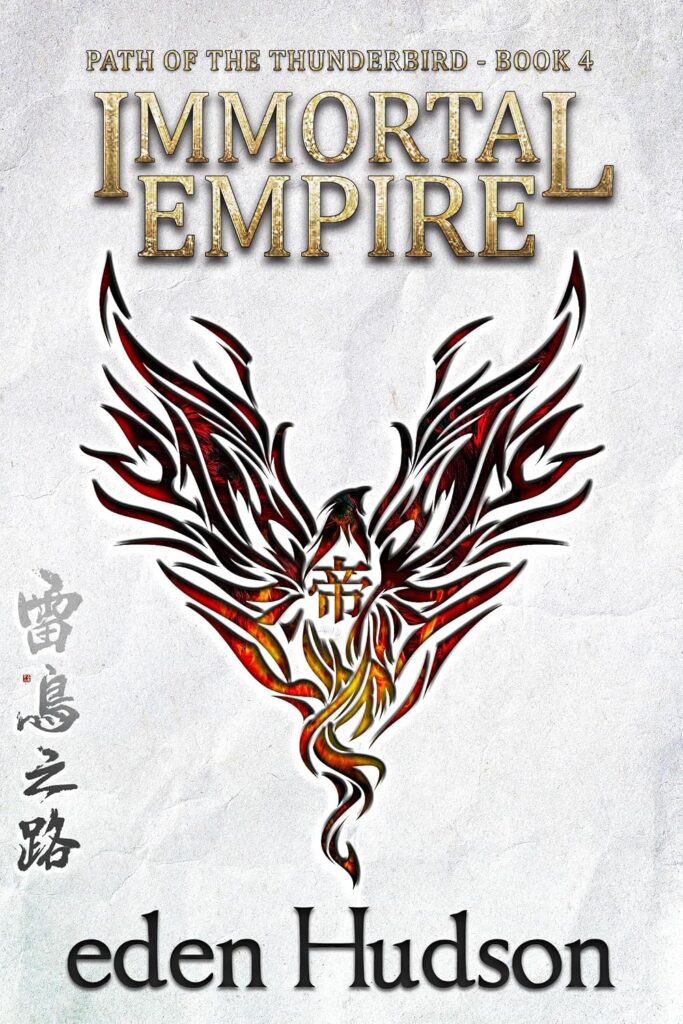
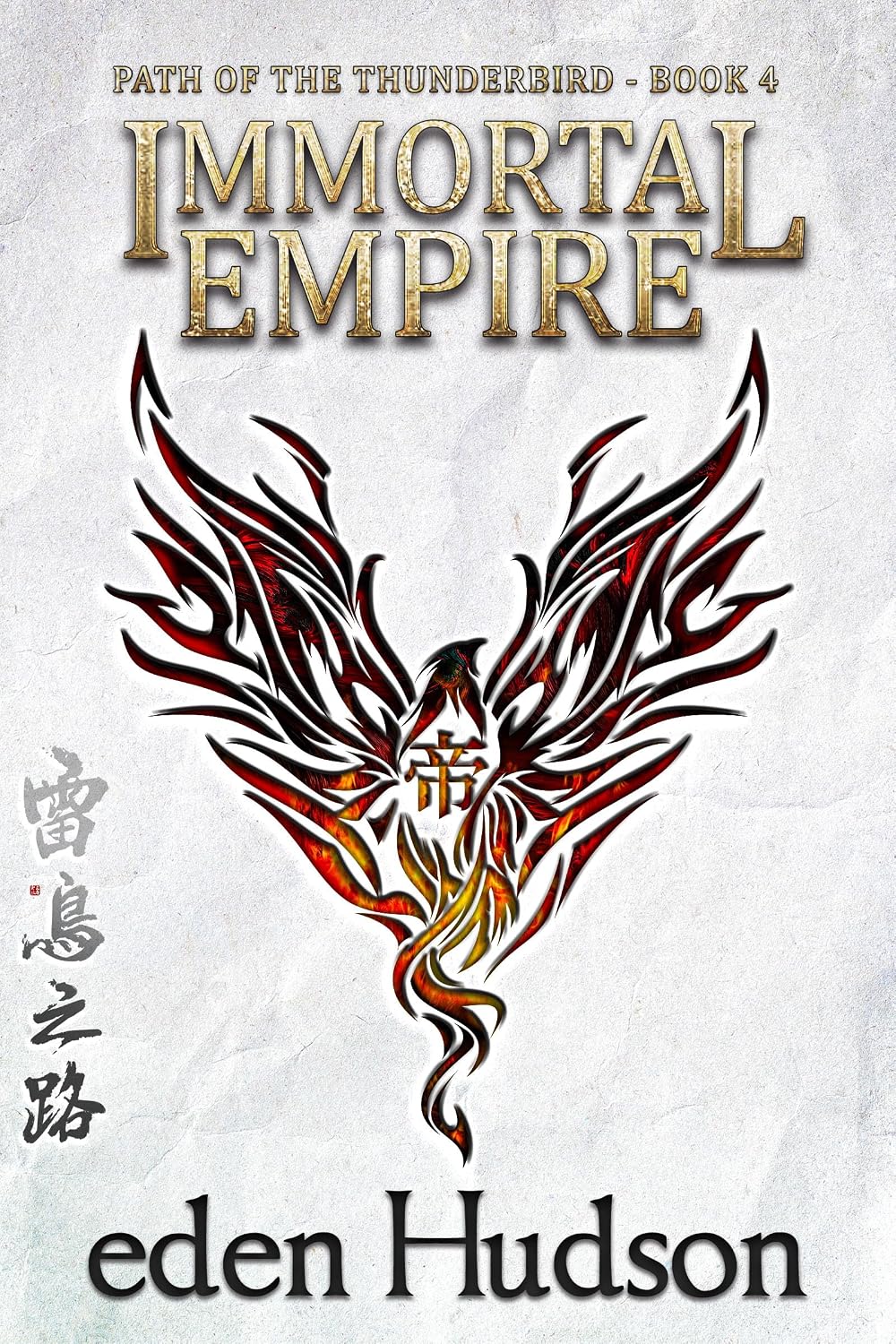
Immortal Empire serves as the action-packed, heart-wrenching conclusion to the Path of the Thunderbird saga. The narrative centers on Ji Yu Raijin, the god-protector of the heavens, who faces a universe-ending threat from an awakened dark dragon. To…
Quick Verdict
Immortal Empire delivers a hard-fought, emotionally rewarding conclusion that stays true to the severe constraints and high costs established across the saga. It rewards long-term readers with a dramatic payoff that refuses to take shortcuts, making it a fitting wrap-up for anyone deeply invested in the fate of Raijin and the celestial order.
Disclosure: As an Amazon Associate, LiaGuide earns from qualifying purchases. Affiliate relationships do not determine our editorial conclusions.
Opening Premise and the Stakes of the Finale
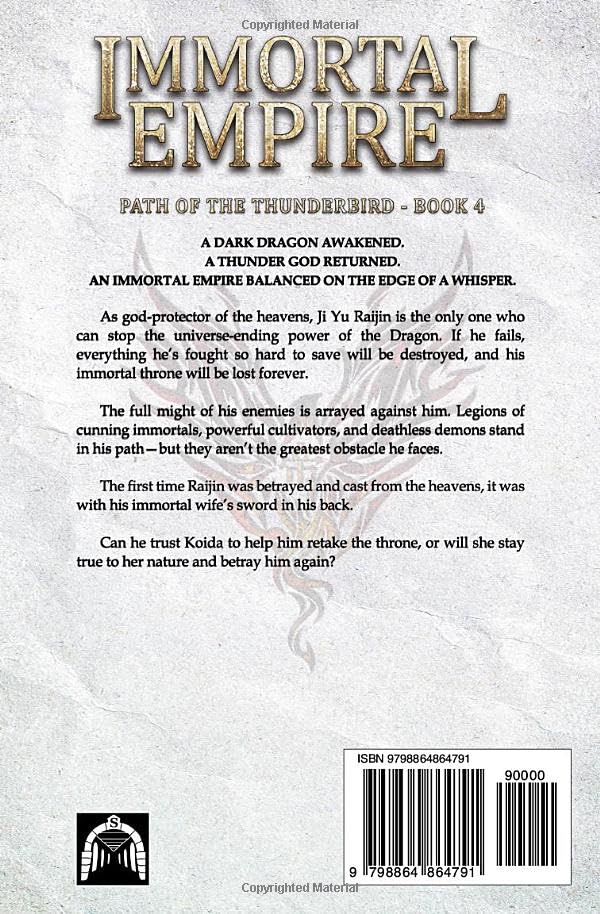
To prevent total destruction and protect his throne, Raijin must navigate legions of cunning immortals, powerful cultivators, and deathless demons.
Beyond the cosmic scale of the external threat, the core tension of the story is deeply personal. Raijin's greatest obstacle is not an army of monsters, but his immortal wife, Koida, who previously betrayed him and left him with a sword in his back. As the narrative unfolds, Raijin must determine whether he can trust Koida once more to help him retake his throne or if she will ultimately succumb to her nature and betray him a second time.
Reading Experience and Narrative Tone
Readers looking for a conventional power-fantasy where characters easily steamroll every obstacle may find this conclusion challenges their expectations. Reader feedback highlights that the series approaches its story with a ruthless edge, refusing to shield its characters from genuine consequences. This narrative discipline brings a layer of gravity rarely found in typical genre entries, evoking comparisons to thoughtful epic fantasy where victories carry heavy costs.
Blending elements of xianxia cultivation adventures, martial arts, magic, and themes of love and betrayal, the book creates a distinct atmospheric blend. Fans of cinematic martial arts epics and mythological dramas like Crouching Tiger, Hidden Dragon, Once Upon a Time, and White Haired Witch will find familiar thematic touchstones in its world-building and interpersonal dynamics.
Readers walking into Immortal Empire encounter a narrative rhythm that diverges sharply from conventional progression loops found in much of the xianxia and cultivation space. Instead of relentless power-scaling where protagonists steamroll opposition without friction, this concluding volume maintains the series' established commitment to tangible stakes and narrative costs. Review consensus highlights a distinct willingness to let characters suffer real consequences, steering clear of hollow victories.
That ruthless approach to storytelling keeps momentum taut, though it demands close attention from the audience. Because adversaries include cunning immortals, elite cultivators, and deathless demons backed by deep political and mythological friction, the resolution unfolds through carefully calculated strategy rather than sudden, unearned upgrades. For readers who tire of predictable power curves where outcomes are sealed chapters in advance, this pacing delivers a refreshing weight.
At the same time, those who prefer brisk, breezy escapism where conflicts wrap up cleanly in a few pages may find the emotional density demanding. The narrative takes its time navigating the psychological toll of betrayal, particularly concerning the fraught dynamic between Ji Yu Raijin and his former wife, Koida.
Readers diving into the conclusion of a sprawling xianxia cultivation saga must prepare for the inherent friction of high-stakes fantasy finales. While publisher materials frame Immortal Empire as an action-packed conclusion filled with martial arts and divine clashes, audience feedback highlights a narrative that heavily prioritizes emotional weight, sacrifice, and relationship fallout over non-stop kinetic spectacle.
That focus gives the story its distinct gravity, drawing comparisons from readers to more literary, consequence-driven fantasy rather than standard power-fantasy formulas where protagonists brush off every obstacle. However, that same commitment to harsh stakes means the pacing occasionally bends under the weight of political maneuvering, immortal hierarchies, and lingering history between characters like Raijin and Koida.
Those seeking a breezy, fast-moving martial arts romp may find themselves stalled by the introspective beats and high-tension character conflict. Conversely, anyone invested in seeing previous narrative choices ripple outward into genuine loss will appreciate that the universe does not bend neatly to protect its cast.
The narrative progression in this final installment evokes mixed reactions regarding momentum and structural flow. Several supplied reviews emphasize a ruthless approach to storytelling, noting that actions carry real costs and that the author refuses to shield characters from danger through easy conveniences. This lack of plot armor creates genuine tension for readers who value high stakes and unpredictable survival outcomes, even within a known trajectory.
At the same time, other feedback indicates that navigating these shifting fortunes can occasionally become overly complicated or rough around the edges. One reviewer remarks that as the story approaches its finale, elements feel somewhat rushed, as though the narrative needed to sprint toward the finish line. Additionally, a distinct critique mentions that antagonist motivations, particularly regarding specific characters, begin to strain credibility upon closer inspection, creating friction in an otherwise emotionally resonant conclusion.
- Readers note a refreshing absence of convenient escapes, preserving authentic costs and stakes.
- Some feedback points to a rough or rushed feeling as the story converges on its finale.
- Shifting fortunes and complex political/martial interplay can make the narrative feel dense or occasionally tangled.
Reader Fit and Who Should Skip
This final installment is tailor-made for dedicated followers of the Path of the Thunderbird saga who need closure on Raijin and Koida's turbulent relationship. It rewards readers who appreciate high-stakes xianxia progression coupled with emotional vulnerability and permanent character stakes rather than predictable, consequence-free power scaling.
Conversely, readers who have not invested in the preceding volumes should bypass this volume entirely, as jumping straight into a series finale will miss crucial context. Those who prefer lighthearted, zero-stakes adventure or standalone narratives without tragic romantic friction should look toward alternative epic fantasy series that prioritize episodic pacing over serialized emotional fallout.
This book is a natural fit for dedicated followers of the Path of the Thunderbird series who want a definitive, uncompromising resolution to Ji Yu Raijin's struggles against legions of cultivators, demons, and his own complicated past. It speaks directly to enthusiasts of Asian myth-inspired fantasy who prefer rich interpersonal tension, mythological grandness, and dark fantasy tropes executed with emotional consequence.
Readers who have not yet explored the earlier entries in the series should bypass this title for now, as jumping straight into the final volume will dilute the impact of long-gestating betrayals and divine politics. Those who prefer lighthearted progression fantasy with outcomes for every favorite hero should likewise look toward alternative light fantasy formats rather than this darker, more punishing universe.
Determining whether this conclusion suits a prospective reader depends heavily on their tolerance for emotional gravity versus hard progression fantasy. Fans of the earlier books in the series find the payoff rewarding, noting that it successfully ties off long-standing threads and delivers an emotionally heavy resolution. The inclusion of an extensive behind-the-scenes afterword further connects with engaged readers, offering personal context from the author that deepens appreciation for the journey.
Conversely, readers who prioritize swift combat mechanics, tightly controlled power scaling, or minimal romantic subplots may experience friction. Those who prefer villains with airtight, unwavering logic or despise dramatic self-sacrifice tropes might find certain narrative beats wearing. Ultimately, the book rewards those invested in the emotional and relational arcs of the cast far more than those hunting for clean mechanical progression.
- Best suited for series followers deeply invested in the emotional and relational history of the protagonists.
- May frustrate readers seeking strict power-scaling logic, fast-paced action, or minimal romance.
- An insightful authorial afterword provides strong emotional closure for dedicated fans.
Character Dynamics and the Trust Dilemma
At the emotional core of the book lies a complex trust deficit. The central tension hinges not just on external combat against cosmic threats like the awakened dark dragon, but on whether Raijin can rely on Koida—the very individual who once drove a sword into his back—without walking straight into another catastrophic betrayal.
Reader responses cluster strongly around this psychological friction, praising how the text handles complicated interpersonal histories without resorting to easy redemptive arcs. Koida remains true to her nature, creating a palpable layer of unpredictability that elevates the dramatic tension far above standard romantic or martial subplots.
If you enjoy character-driven fantasy where past grievances leave permanent scars and alliances are forged in mutual suspicion rather than instant forgiveness, this dynamic will feel exceptionally rewarding. Conversely, readers looking for comforting reassurance and straightforward camaraderie among main figures may find the persistent ambiguity unsettling.
Several supplied reviews point to character work as a primary anchor of the reading experience, though reactions to the interpersonal focus split significantly depending on reader expectations. One prominent thread of praise highlights the intricate, emotionally charged interplay between protagonists who carry heavy history—specifically noting the tension surrounding a past betrayal involving an immortal wife's blade. Readers in this camp appreciate that the author avoids superficial tropes, grounding character choices in genuine consequence rather than unearned convenience.
Conversely, another group responds differently to how these relationships manifest in the narrative's structure. A detailed review argues that the book leans heavily into romance and relational dynamics at the expense of traditional fantasy or cultivation pacing. This critique highlights a recurring behavioral pattern among the cast: characters frequently engage in dramatic sequences of noble self-sacrifice, sometimes creating a domino effect where multiple individuals vie to protect one another. For readers seeking hard-edged martial arts progression, this heightened emotional calculus can feel overly dominant.
- Praise centers on characters with historical baggage, complex loyalties, and unsoftened emotional consequences.
- Critiques point out a high frequency of dramatic self-sacrifice loops among the primary cast.
- Division exists over whether the emotional and relational weight overshadows the expected fantasy and cultivation elements.
Genre Balance and Power Scaling Mechanics
As a conclusion to a cultivation and xianxia-inspired saga, the book handles martial progression and immortal power levels in ways that draw both appreciation and scrutiny. One viewpoint highlights how the series maintains its philosophical roots—treating immortal existence as a continuous learning path where power without emotional grounding remains hollow. This balance satisfies readers looking for depth beyond standard action loops.
On the other side of the ledger, a critical review argues that the immortal power levels fluctuate wildly, making the protagonists' rapid ascent difficult to parse logically. For readers attuned to rigorous magic systems or consistent power-scaling rules, these sudden shifts can disrupt immersion. Similarly, readers expecting pure xianxia combat find that the prominent romance and emotional themes occasionally crowd out the mechanical crunch of traditional cultivation adventures.
- Philosophical treatment of immortal life as a path of learning resonates with appreciative readers.
- Fluctuating power scales draw criticism from readers looking for consistent progression logic.
- Genre hybridity creates a trade-off for purists seeking traditional combat over emotional character drama.
Pros and Cons
✓ Pros
- Delivers genuine consequences and emotional costs without relying on convenient plot armor.
- Features complex, deeply developed character dynamics and historical loyalties.
- Maintains a thematic focus on love and personal growth within an immortal framework.
✕ Cons
- Power scaling for immortal progression can feel erratic and difficult to track logically.
- Ending phases feel somewhat rough or rushed to some readers.
- Heavy emphasis on romance and dramatic self-sacrifice may alienate pure cultivation fans.
Frequently Asked Questions
Is this book suitable for someone who hasn't read the earlier volumes?
Based on reader feedback, this is the final conclusion to an established multi-book saga and is designed to wrap up long-standing plot arcs, making it best approached after reading the preceding installments.
How heavy is the romance compared to the fantasy and martial arts elements?
Reviews are somewhat divided on this point; while the book includes action and cultivation themes, multiple readers note that relational dynamics, emotional interplay, and romantic elements take up a very substantial portion of the narrative.
Final Verdict
Immortal Empire has a clear case for readers whose tastes line up with its strongest supported qualities. Two strengths stand out. One strength is that it delivers genuine consequences and emotional costs without relying on convenient plot armor. Another strength is that it features complex, deeply developed character dynamics and historical loyalties. The main drawback is that power scaling for immortal progression can feel erratic and difficult to track logically. If that trade-off conflicts with your reading preferences, this is an easy title to skip; otherwise, the review evidence supports keeping it on your reading list.
See current book details
Check the current formats and listing details for Immortal Empire on Amazon.
View on AmazonAffiliate link. Product details may change.