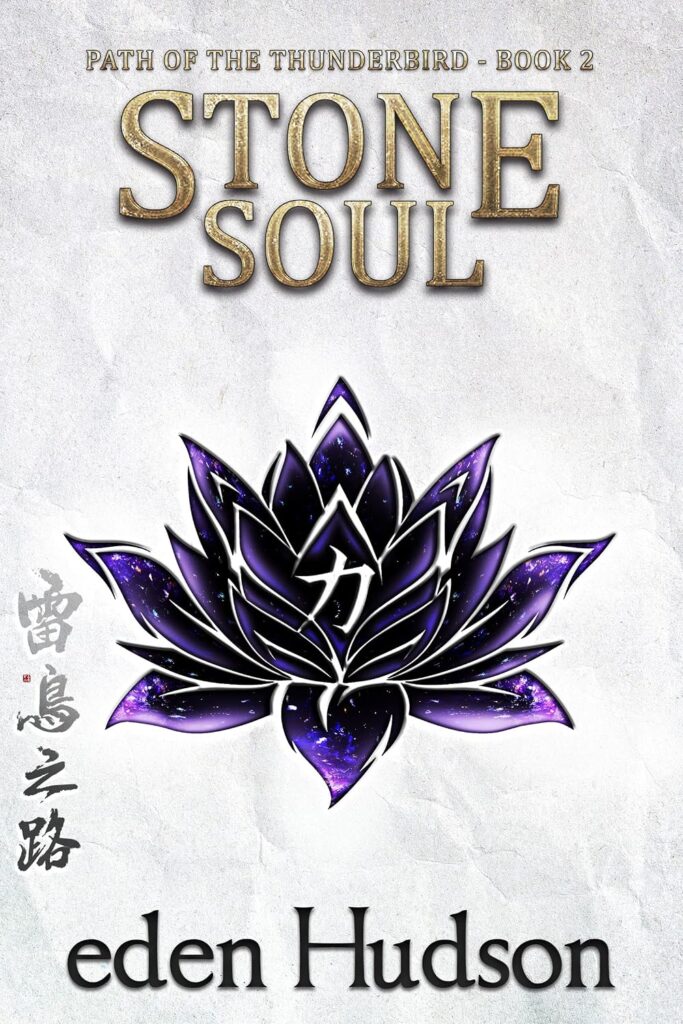
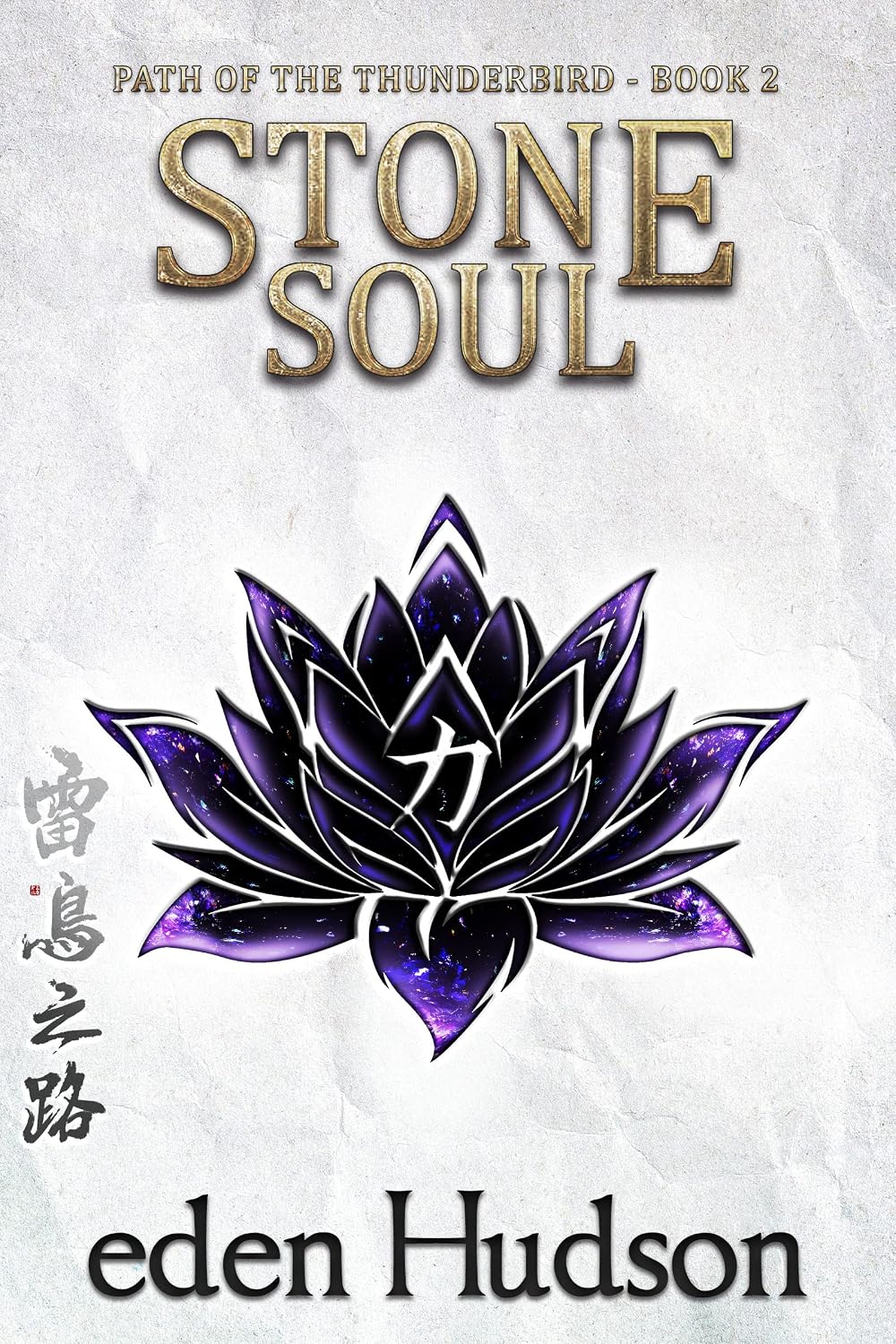
Stone Soul by eden Hudson continues the Path of the Thunderbird series, expanding on a fantasy landscape defined by martial arts, cultivation, and perilous trials. The narrative splits its focus across dual storylines that frame the aftermath and…
Quick Verdict
Stone Soul delivers an expanding mythos and a memorable, hard-earned conclusion for dedicated followers of the Path of the Thunderbird series. Though its split timelines require careful attention and slow down the immediate rush of combat, the rich integration of martial arts lore and underdog survival struggles makes it a worthwhile continuation for established genre fans.
Disclosure: As an Amazon Associate, LiaGuide earns from qualifying purchases. Affiliate relationships do not determine our editorial conclusions.
Premise and Core Setup
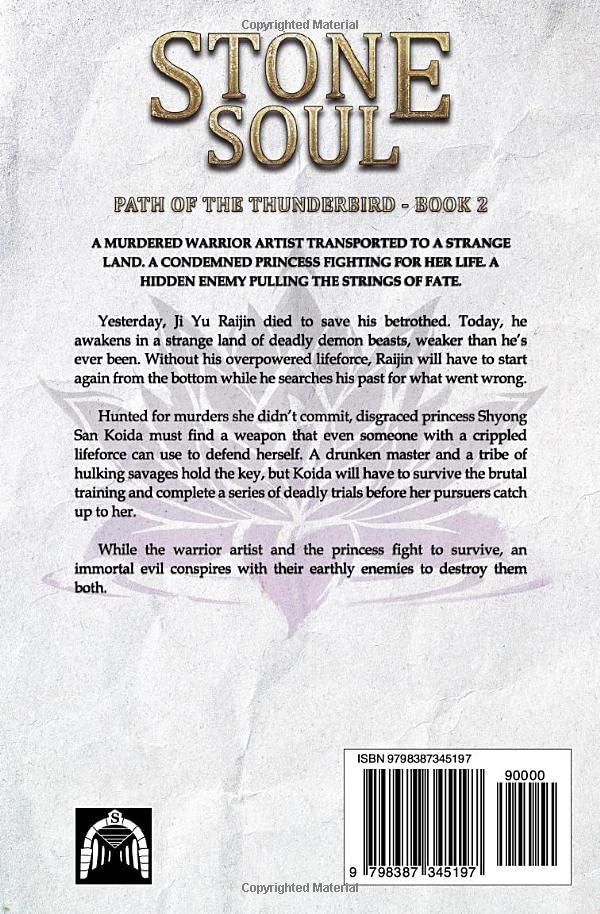
Readers follow Ji Yu Raijin, a warrior artist who perished to save his betrothed only to awaken stripped of his formidable lifeforce in a realm populated by deadly demon beasts.
Simultaneously, the disgraced princess Shyong San Koida flees false murder charges while hunting for a weapon suitable for someone with a compromised lifeforce. Her journey involves surviving brutal training overseen by a colorful cast, including a grumpy old blind guy and a tribe of hulking savages, all while evading relentless pursuers. Looming over both journeys is an immortal evil coordinating with earthly antagonists to ensure their mutual destruction.
Reading Experience and Structural Flow
The supporting reader feedback and publisher information indicate a fast-moving narrative rhythm that balances internal cultivation struggles with external kinetic action. Because Raijin must rebuild his strength from the ground up, the progression favors classic progression-fantasy tropes where power must be painfully re-earned rather than easily wielded.
The dual-timeline or split-perspective framework requires active engagement, moving between Koida's desperate survival trials and Raijin's beast-filled territory. The inclusion of distinct mentors and cultural pockets gives the world texture, supporting an experience geared toward fans of wuxia, xianxia, and martial arts fiction who appreciate high-stakes combat choreography combined with personal reinvention.
Stone Soul splits its focus between two distinct narrative threads, exploring events that lead directly into the timeline of the previous volume alongside a secondary storyline tracking what unfolds in the aftermath. This split structure gives the sequel a broader operational scope, letting the world-building expand across disparate territories while the main characters navigate separate trials.
Reader response highlights a satisfying split in momentum, particularly praising how the narrative builds toward its conclusion. While dual-perspective arrangements can occasionally stall pacing as the book jumps between locations, the plotting here maintains steady engagement through tight action sequences and high-stakes survival challenges.
Reader Fit and Decision Guidance
This novel suits readers deeply immersed in progression fantasy, cultivation systems, and martial arts adventures who enjoyed the foundational world-building of the earlier installment, Darkening Skies. It rewards patience with character growth and strategic combat rather than instant gratification.
Buyers should note that this is the second book in an ongoing series, making it an ill-suited entry point for newcomers who haven't read the preceding volume. Those seeking standalone contemporary fiction or low-fantasy political intrigue without mythical beasts or martial arts cultivation will want to explore alternative fantasy subgenres instead.
This volume fits dedicated enthusiasts of wuxia, xanxia, and cultivation fiction who appreciate intricate power-scaling resets and high-stakes training arcs. Anyone invested in the ongoing fates of a murdered warrior artist and a hunted, disgraced princess will find plenty of thematic payoff here, particularly as the plot intersects with immortal conspiracies and formidable tribal savages.
Conversely, casual readers who struggled with the pacing of the first book or those seeking a standalone adventure should skip this title in favor of self-contained fantasy novels. If your primary goal is rapid, uncomplicated action without multi-timeline narrative gymnastics, exploring broader standalone epic fantasy alternatives will likely yield a more satisfying reading session.
Progression Style and Character Execution
Fans of progression fantasy and cultivation tropes will find familiar structural beats, including power resets, grueling training sequences, and encounters with dangerous demon beasts. The protagonist, Ji Yu Raijin, transitions from his previous capabilities into a stripped-back recovery arc, while disgraced princess Shyong San Koida faces her own rigorous trials alongside a drunken master and a tribe of savages.
Character growth is anchored heavily in physical and mental endurance rather than easy victories. Readers looking for high-octane martial arts training and gritty survival hurdles will appreciate the heavy emphasis on combat mechanics, though readers less inclined toward training montages and endless trials might prefer a more narrative-driven fantasy alternative.
Navigating the Narrative Trade-Offs
Readers diving into eden Hudson's second installment will encounter a structurally distinct storytelling approach compared to the series opener. By splitting focus between a prequel thread leading up to earlier events and a concurrent storyline tracking the aftermath, the narrative demands a bit more patience from followers of Ji Yu Raijin and Shyong San Koida. This dual-track construction enriches the world-building around demon beasts and martial arts traditions, but it occasionally stretches the momentum for those preferring a singular, linear progression.
That pacing shift introduces a clear decision point for fans of progression fantasy. While the introduction of elements like a grumpy old blind guy and brutal survival trials deepens the texture of the mythos, the fragmented chronology means the plot spends significant time laying groundwork before reaching its climactic close. Buyers weighing this sequel against faster-paced genre entries should expect a deliberate buildup that prioritizes character positioning over instant gratification.
Dual-Timeline Architecture and Structural Ambition
Readers repeatedly point out that the structural heart of this installment relies heavily on a split-timeline design, splitting focus between past foundations and present struggles. Several supplied reviews describe how this narrative engine deliberately forces readers to recalibrate their understanding of the opening book, functioning as a bridge that recontextualizes earlier events rather than merely moving forward in a straight line.
One detailed review argues that this structural choice pays off enormously by the final chapters, where narrative threads converge to reveal a much grander architecture than initially suspected. However, another group responds differently to this setup, noting that spending significant time exploring historical context can temporarily dilute immediate forward momentum and alter the tension profile compared to the more claustrophobic approach of the opening volume.
- Splits attention between historical foundations and present-day trials
- Recontextualizes events and lore established in the first volume
- Delivers a sweeping macro-vision that coalesces heavily toward the final chapters
Pacing Trade-Offs and Middle-Book Mechanics
A recurring criticism is that the narrative pacing hits a more deliberate, methodical gear in this volume. While enthusiastic supporters find the slower burn necessary for deep world expansion, some readers observe that the overall plot can feel condensed when viewed strictly through the lens of immediate plot progression, with characters stationed in localized environments for extended stretches.
Conversely, defenders of this pacing style emphasize that the deliberate speed allows for essential character anchoring and world expansion. For readers who enjoy unhurried atmospheric buildup and thematic layering, the slower mid-section provides vital connective tissue, whereas those seeking rapid, relentless plot advancement may need to adjust their expectations for this middle entry.
The worldbuilding is frequently cited as a major high point, with readers praising the seamless integration of wuxia and cultivation traditions. Several supplied reviews emphasize that the magical and martial progression systems avoid feeling like arbitrary mathematical treadmills; instead, every level of growth is firmly tied to survival pressures and plot necessity.
Writers and readers alike appreciate the conceptual artistry behind the setting, which moves beyond simple combat tropes to construct a cohesive, atmospheric realm filled with dangerous demon beasts, ancient rivalries, and mystic anomalies that consistently challenge the protagonists.
- Adopts a more measured, methodical narrative pace than its predecessor
- Contains extended sequences where characters operate within localized settings
- Divides opinion among readers looking for rapid-fire plot advancement versus atmospheric depth
- Integrates wuxia and cultivation elements directly into plot survival
- Avoids mechanical stat-grind tropes in favor of narrative-driven power growth
- Constructs a vivid, cohesive environment filled with unique threats and lore
Character Dynamics and Morally Complex Personalities
Character execution receives substantial commentary across reader feedback, particularly regarding the abrasive and unconventional nature of the cast. Several supplied reviews highlight the disgraced princess protagonist not as a traditional, instantly noble heroine, but as a flawed, stubborn figure whose physical limitations and desperate circumstances breed a sharp, uncompromising attitude.
Adding strong contrast to the central dynamic, supporting mentors and companions draw immense praise for their distinct voices. Readers repeatedly point to the cynical, wisecracking mentor figure—noted for his constant attention to an enigmatic flask—as a standout presence whose biting wit and demanding training methods inject sharp humor and vitality into otherwise grueling trials.
- Portrays a fiercely determined, morally grey princess shaped by physical vulnerability
- Features eccentric mentors with acerbic wit and brutal training philosophies
- Expands historical backstories for key supporting figures, deepening emotional resonance
Humor, Tone Shifts, and Emotional Range
Readers frequently highlight the emotional versatility of the narrative, noting how the tone swings dynamically from somber reflections on sacrifice and loss to laugh-out-loud comedic beats. The juxtaposition of grim, high-stakes survival against eccentric character quirks creates an unpredictable reading experience.
Several reviewers note that unexpected plot turns and situational irony managed to catch them entirely off guard, generating genuine surprise and vocal reactions. This balance of emotional highs, lows, and sharp banter prevents the heavy martial arts atmosphere from becoming overly oppressive.
- Blends high-stakes tragedy and sacrifice with unexpected situational comedy
- Delivers genuine narrative surprises and sharp plot twists
- Maintains an engaging tonal balance that keeps emotional engagement high
Pros and Cons
✓ Pros
- Intricate dual-timeline structure that masterfully recontextualizes the overarching series plot
- Unconventional, morally complex protagonists who avoid cliché hero archetypes
- Cultivation and progression mechanics tightly bound to narrative survival rather than arbitrary stats
- Memorable supporting cast featuring sharp wit and compelling historical depth
✕ Cons
- Pacing slows noticeably compared to the first book, featuring localized narrative bottlenecks
- Some readers may find the protagonist's abrasive and stubborn nature challenging to root for initially
- Split focus between timelines can occasionally dilute immediate present-day tension
Frequently Asked Questions
Can I read this book as a standalone entry in the series?
Readers strongly advise against starting here. Because the plot heavily builds upon and recontextualizes events, character motivations, and lore established in the first book, reading the series in order is essential for full comprehension and emotional impact.
How heavy are the cultivation and martial arts elements?
The book leans heavily into wuxia, xianxia, and cultivation traditions. Reviewers note that choreography-style martial arts and power progression are central to the plot, though they remain grounded in narrative survival rather than mechanical crunch.
Final Verdict
Stone Soul has a clear case for readers whose tastes line up with its strongest supported qualities. Two strengths stand out. One strength is its intricate dual-timeline structure that masterfully recontextualizes the overarching series plot. Another strength is that unconventional, morally complex protagonists who avoid cliché hero archetypes. The main drawback is that pacing slows noticeably compared to the first book, featuring localized narrative bottlenecks. If that trade-off conflicts with your reading preferences, this is an easy title to skip; otherwise, the review evidence supports keeping it on your reading list.
See current book details
Check the current formats and listing details for Stone Soul on Amazon.
View on AmazonAffiliate link. Product details may change.