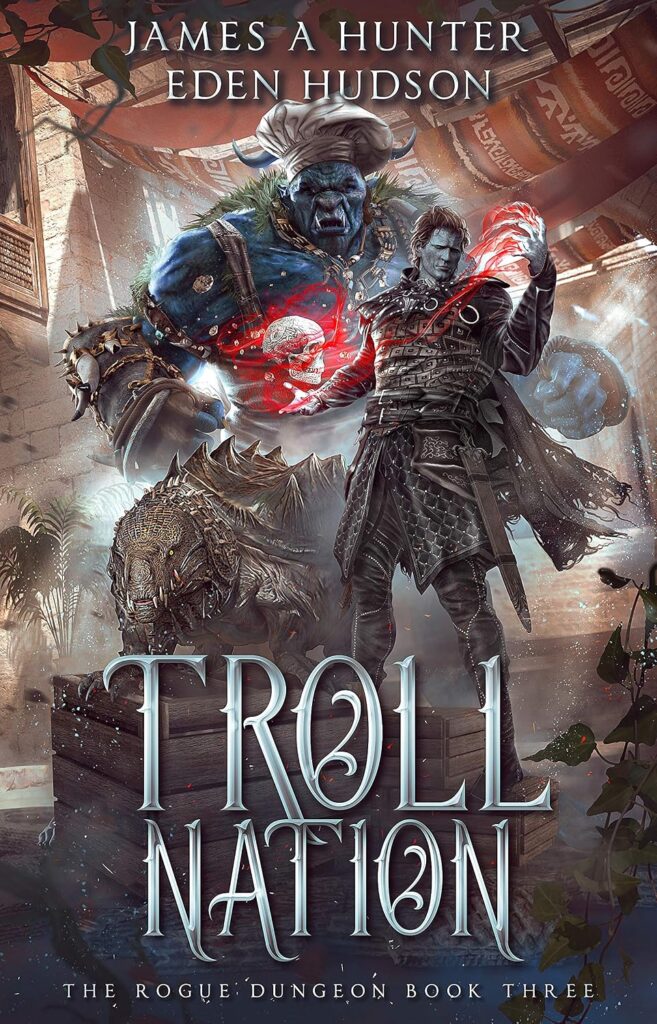
Troll Nation: A LitRPG Adventure (The Rogue Dungeon) thrusts readers back into a gamified fantasy landscape where the traditional boundaries between player and monster blur entirely. Following the events of the previous installments, former noble and hedge-mage Roark…
Quick Verdict
Troll Nation delivers an entertaining, action-packed continuation that stays true to the established voice of the series while giving fans exactly the kind of lighthearted progression fantasy they expect. Its ability to balance humor with high-stakes MMORPG mechanics makes it a worthwhile pickup for dedicated genre enthusiasts looking for a fun escape.
Disclosure: As an Amazon Associate, LiaGuide earns from qualifying purchases. Affiliate relationships do not determine our editorial conclusions.
Premise and Setup
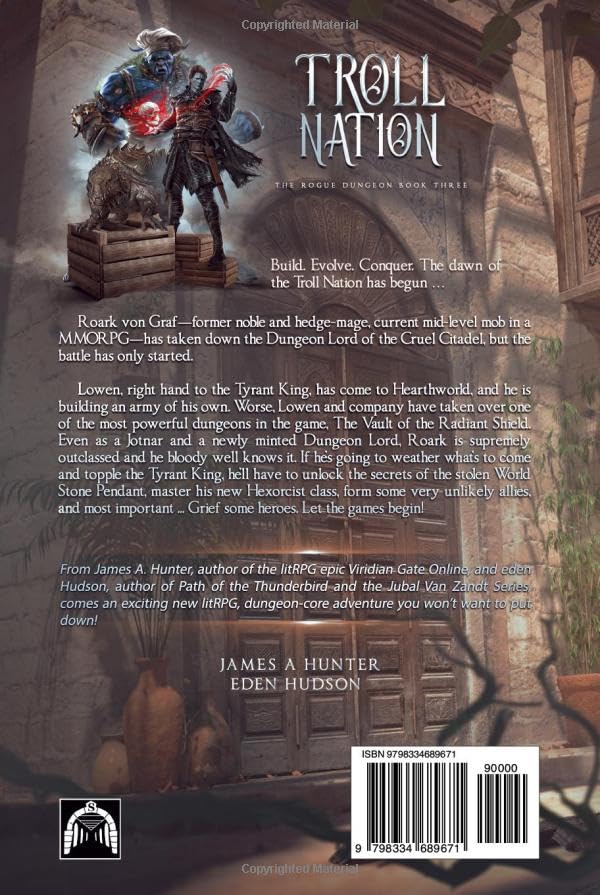
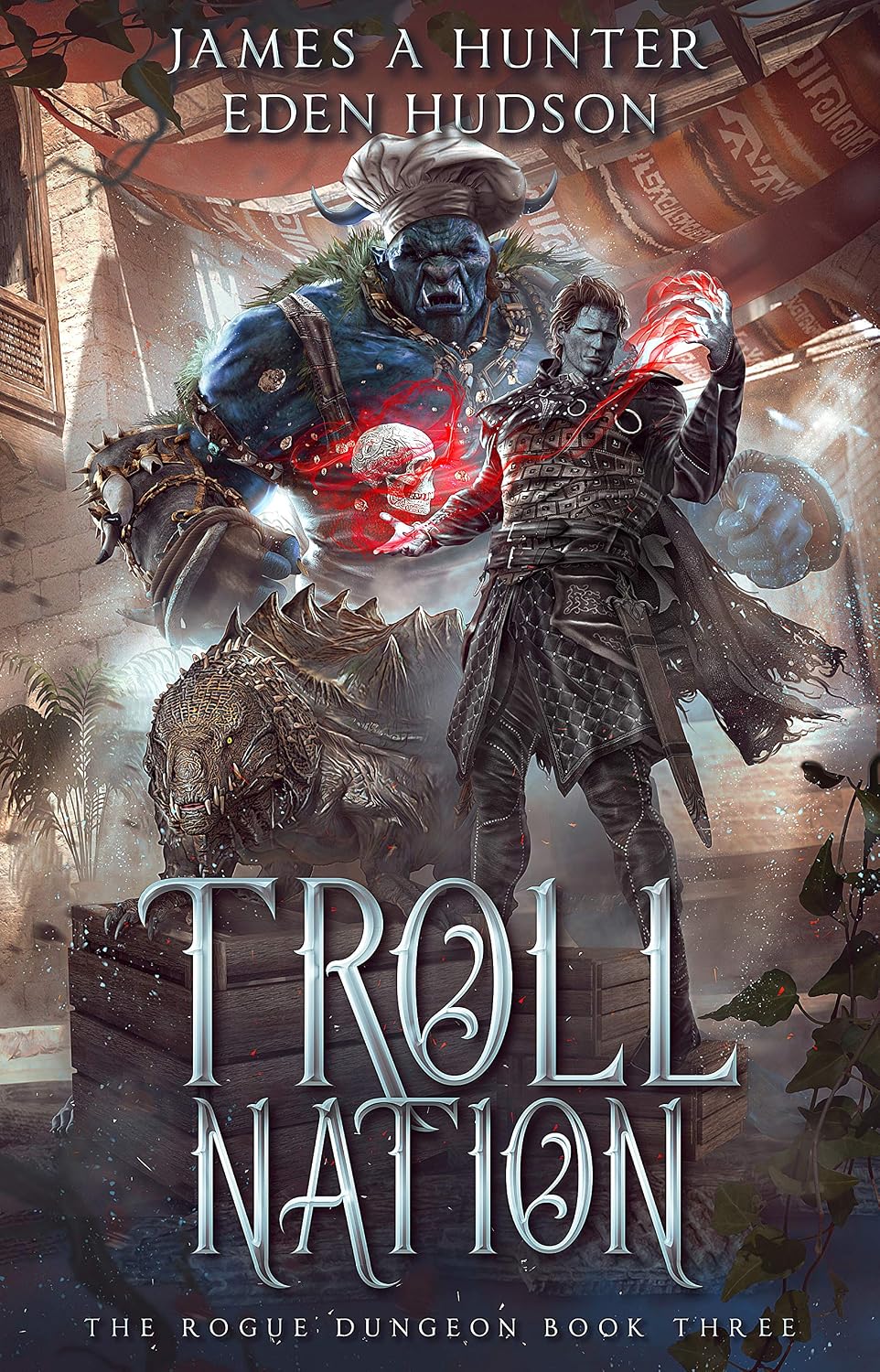
Troll Nation: A LitRPG Adventure (The Rogue Dungeon) thrusts readers back into a gamified fantasy landscape where the traditional boundaries between player and monster blur entirely. Following the events of the previous installments, former noble and hedge-mage Roark von Graf finds himself operating as a mid-level mob inside an MMORPG environment. Having successfully dismantled the Dungeon Lord of the Cruel Citadel, Roark's victory proves to be merely the opening salvo in a much larger territorial conflict.
The narrative escalates quickly as Lowen, the formidable right hand to the Tyrant King, arrives in Hearthworld to assemble an opposing force. Worse still, Lowen's faction seizes control of The Vault of the Radiant Shield, establishing a stronghold in one of the most powerful dungeons in the game. Operating as a Jotnar and a newly minted Dungeon Lord, Roark faces an immense power imbalance that places him squarely on the defensive.
To survive the looming onslaught and mount a counter-offensive against the Tyrant King, Roark must unravel the hidden mechanics of a stolen World Stone Pendant, master his newly acquired Hexorcist class, forge alliances with unpredictable entities, and disrupt the routines of opposing players through calculated sabotage.
Reading Experience and Reader Fit
Authored by James A. Hunter and eden Hudson, the novel delivers a fast-paced blend of progression mechanics, dungeon management, and kinetic combat. Available feedback suggests the book leans heavily into action and comedic beats while maintaining a brisk pace that keeps pages turning. Readers looking for dense statistical spreadsheets or slow-burn political intrigue will find a punchier, game-forward approach here.
A notable structural strength highlighted by early readers is the book's pacing independence. Unlike serialized web novels that frequently conclude on abrupt narrative cliffhangers without resolving immediate arcs, this entry provides a self-contained narrative satisfaction with a clear beginning, middle, and end while advancing the overarching series storyline. This makes it an appealing option for readers who enjoy serial progression fantasy but prefer individual installments to feel complete.
Fans of James A. Hunter's previous works, such as Viridian Gate Online, or eden Hudson's cooperative writing style, will find familiar structural beats and energetic world-building. Those who prefer grounded, non-system fantasy or strictly traditional high-fantasy epics should look elsewhere, as the mechanics of leveling, class progression, and game-world meta dictate nearly every conflict.
Pacing, Structure, and Story Progression
Readers opening this installment encounter a narrative engine that prioritizes rapid movement, continuous conflict, and high-stakes action over slow-burning exposition. The plot pushes Roark von Graf forward through immediate tactical threats and escalating game-world pressures, leaving little downtime between major set pieces. For busy readers or fans who prefer rapid momentum, this kinetic structure keeps engagement high from the first chapter to the last.
At the same time, this accelerated momentum introduces a distinct trade-off regarding narrative breathing room. Some readers note that certain subplots and character arcs feel compressed, as if the story hurried to reach marketplace shelves before every world-building thread could fully stretch out. If you prefer sprawling, leisurely fantasy pacing where political maneuverings and character downtime unfold over hundreds of pages, this brisk progression may feel overly streamlined.
Satisfying Traditional Story Arcs Within a Serialized Format
One of the most praised aspects among independent fiction enthusiasts is how the book handles its overarching structure. Many modern litRPG and progression fantasy series suffer from endless middle syndrome, where individual volumes conclude abruptly on cliffhangers without resolving immediate conflicts. This installment avoids that trap by delivering a self-contained narrative arc complete with a clear beginning, middle, and end, while still advancing the broader series conflict.
That structural choice yields a tangible psychological reward for the buyer. Finishing the volume leaves you with a genuine sense of completion rather than narrative exhaustion, making it an appealing choice if you dislike books that abruptly halt mid-battle just to set up the next purchase. While the overarching war against the Tyrant King continues to grow, the local victories and defeats within this specific volume provide a satisfying standalone experience.
Tone, Humor, and the MMORPG Mechanic Balance
Co-authored by James A. Hunter and eden Hudson, the novel maintains a lighthearted, gamified irreverence that leans heavily into traditional MMORPG tropes. Roark's transition from a hedge-mage noble to a mid-level mob—and eventually a Jotnar Dungeon Lord—fuels a steady stream of humor, particularly when the narrative focuses on the core objective of griefing self-important in-game heroes. The comedy arrives naturally out of the absurd realities of living inside a fantasy software architecture.
If you enjoy crunchy statistic management blended with comedic anti-hero antics, the system mechanics and sarcastic tone hit the right notes. However, readers looking for grimdark realism or deeply serious high fantasy should calibrate their expectations accordingly. The tone remains resolutely fun, action-heavy, and unpretentious, prioritizing entertainment value and witty system exploitation above all else.
Reading Fit and Narrative Trade-offs
Readers drawn to fast pacing and high-frequency action will find plenty to move through quickly, though some may notice the rapid release schedule leaves parts of the world-building feeling slightly compressed. The narrative balances traditional progression-fantasy mechanics with humorous mob-perspective antics, creating a breezy style that is easy to consume in a few sittings.
A notable structural strength lies in how individual installments maintain self-contained narrative arcs while advancing the broader series conflict. If you prefer sprawling fantasy where subplots linger indefinitely across multiple volumes, this tighter and more episodic storytelling approach represents a distinct shift in rhythm.
Who Should Read or Skip
Fans of James A. Hunter and eden Hudson's collaborative style, along with readers who enjoy dungeon-core progression elements combined with tongue-in-cheek humor, will want to add this to their queue. It fits well into a busy reading schedule where entertainment value and quick pacing take precedence over heavy exposition.
Conversely, those looking for meticulously deep mechanical rule-sets or slow-burn political fantasy may find the comedic tone and brisk progression moving too fast for a thorough immersion. Readers seeking entirely standalone adventures without prior series context would do better to start at the beginning of the Rogue Dungeon sequence rather than jumping straight into this volume.
Character Dynamics, Companion Portrayals, and Ensemble Resonance
Readers repeatedly highlight the expanding cast of companions as a central pillar of the narrative's ongoing appeal. The dynamic between the protagonist Roark and his eclectic roster of allies draws consistent praise for maintaining individual voice and warmth across installments. Supporters frequently single out character-driven moments involving the enthusiastic chef Kaz and his partner Mai, alongside the gruff veteran Griff and the deadly, midnight-toned Zyra, whose poisonous presence adds an edge to group interactions.
A particular favorite among followers is Mac, the rambunctious young turtle dragon whose dog-like loyalty, seat-stealing habits, and affectionate greetings earn high marks for sheer charm. Reviewers note that the bond between Roark and Mac grounds the high-stakes fantasy elements in genuine camaraderie, with several readers expressing a desire to see even more focus on the pet's independent adventures when the main party splits up. This strong emotional attachment to the supporting cast helps sustain reader engagement through heavy action sequences.
- Ensemble chemistry mirrors the sarcastic banter of late-night gaming sessions with close friends.
- Companions display steady physical and mental evolution while preserving their core personalities.
- Animal and pet design, especially Mac, successfully blends monstrous utility with endearing domestic traits.
Pacing, Narrative Velocity, and Pockets of Rushed Convenience
The pacing of the story receives a largely positive reception for keeping energy high and preventing middle-book fatigue. Many readers point out that the narrative moves at a rapid clip, seamlessly blending crafting, exploration, trickery, and unexpected twists without dragging. For readers juggling busy schedules, this brisk momentum makes the book an easy one-sitting read that maintains high immersion from beginning to end.
However, this rapid progression creates a notable point of division among more critical voices. A subset of readers observes that certain major plot hurdles—such as prison sequences or complex tactical sieges—resolve too quickly through convenient or abbreviated solutions. While the swift plotting prevents the story from bogging down in minutiae, it occasionally leaves grander narrative setups feeling slightly skimmed over before their full potential can be realized on the page.
- Rapid pacing ensures continuous action but occasionally abbreviates major plot obstacles.
- Standalone chapter structures provide satisfying narrative arcs within the broader serial journey.
- Readers note a healthy balance between fast-moving conflict and quiet character moments.
Humor, Merchant Banter, and the Flavor of Gaming Culture
Humor remains a standout feature for the community, with readers frequently quoting lines and gags that stick with them long after finishing. The witty merchant exchanges, running jokes about bacon, and community catchphrases like 'for the salt!' help cultivate a distinct tone rooted in authentic MMORPG culture. Reviewers appreciate how the authors inject levity into tense moments without undermining the gravity of the overarching conflict against rival factions and elite players.
The comedic relief often stems directly from the premise of inverted expectations—specifically, playing as monster mobs who actively disrupt and grief human players. Readers thoroughly enjoy the inverted power dynamic where traditional non-player characters outsmart, ambush, and frustrate high-level adventurers using clever tactics and dirty tricks rather than standard brute force.
- Witty dialogue and running gags capture the authentic spirit of online gaming communities.
- Griefing human players provides a fresh and humorous twist on standard hero tropes.
- Merchant banter and culinary running jokes like bacon add flavorful texture to the world.
Worldbuilding, Settlement Ambitions, and Dual-Layer Reality
The expansion of Hearthworld and its intricate connection to the real-world deep dive mechanics draw consistent admiration from the readership base. Readers enjoy the clever interplay between the virtual realm and physical reality, noting that the inclusion of real-world player perspectives, prison facilities, and high-profile corporate boardrooms adds layers of unpredictability to the conflict. The introduction of formidable new antagonists like Lowen and powerful locations like the Vault of the Radiant Shield raise the stakes significantly for the developing Troll Nation.
Settlement-building elements—such as plans to construct marketplaces, establish trainer outposts, and reshape monster societies—tap directly into readers' desires for long-term progression. Even when specific settlement arcs are brief, the underlying ambition of building a sustainable mob infrastructure gives the world a lived-in, evolving quality that keeps fans eager for subsequent volumes.
- Dual-layer narrative successfully bridges the gap between virtual MMORPG actions and real-world stakes.
- Settlement development and monster infrastructure offer compelling progression goals for the series.
- Worldbuilding details like magic systems and prison aesthetics receive praise for sensory depth.
Format Friction, Editing Oversight, and Reader Disagreements
Despite widespread enthusiasm for the overall series direction, a recurring point of friction involves editorial oversight and repetitive phrasing. Several detailed reviews express frustration over the copy-pasting of entire passages and descriptive paragraphs from previous books—specifically noting recycled descriptions of VIP lounges and character re-introductions. For observant readers, these duplicated segments break immersion and suggest a rushed production schedule.
This editorial slip creates a noticeable trade-off in the reading experience. While the core story, character progression, and tactical combat remain top-tier for the genre, minor instances of narrative repetition test the patience of dedicated fans who expect fresh prose across every chapter. Readers emphasize that while these oversights do not ruin the book, they represent an avoidable flaw in an otherwise polished independent release.
- Recycled descriptive passages from earlier books occasionally disrupt immersion.
- Detailed reviews advise stricter editorial polish to maintain high literary standards.
- Despite minor formatting shortcuts, the core narrative execution retains strong fan loyalty.
Who Enjoys This Most Versus Who Might Struggle
The readership most satisfied by this installment consists of dedicated fans of litRPG adventures, dungeon-core mechanics, and non-traditional protagonists who enjoy watching underdogs turn the tables on elite players. Readers who appreciate snappy pacing, humorous gaming culture references, and steady companion evolution find plenty to celebrate. Furthermore, those weary of endless cliffhangers will value the author's commitment to delivering meaningful narrative resolutions within each individual book.
Conversely, readers who demand pristine line editing free of repeated descriptive passages, or those who prefer exhaustive, slow-burn tactical sieges without narrative shortcuts, may find certain sections test their patience. Anyone unfamiliar with previous books in the series should also expect a brief adjustment period to catch up on the sprawling cast of characters and gaming mechanics.
- Most satisfied: LitRPG enthusiasts, fans of villain-protagonist tropes, and readers valuing self-contained book arcs.
- Least satisfied: Readers sensitive to repeated descriptive passages or those seeking ultra-slow tactical planning.
- Accessibility: Newcomers can follow the action, but familiarity with earlier entries enhances appreciation of character dynamics.
Pros and Cons
✓ Pros
- Delivers a refreshing solo-play perspective within a genre crowded with standard party dynamics.
- Combines snappy pacing and lighthearted gamer humor with high-stakes tactical conflict.
- Maintains satisfying individual book arcs while advancing an overarching series plot.
✕ Cons
- Contains noticeable instances of repeated descriptive passages carried over from earlier books.
- Some major plot obstacles resolve through rushed or convenient plot shortcuts.
Final Verdict
Troll Nation has a clear case for readers whose tastes line up with its strongest supported qualities. Its clearest strengths are delivers a refreshing solo-play perspective within a genre crowded with standard party dynamics. and Combines snappy pacing and lighthearted gamer humor with high-stakes tactical conflict. The main reason to hesitate is contains noticeable instances of repeated descriptive passages carried over from earlier books. If that trade-off conflicts with your reading preferences, this is an easy title to skip; otherwise, the review evidence supports keeping it on your reading list.
See current book details
Check the current formats and listing details for Troll Nation: A litRPG Adventure on Amazon.
View on AmazonAffiliate link. Product details may change.