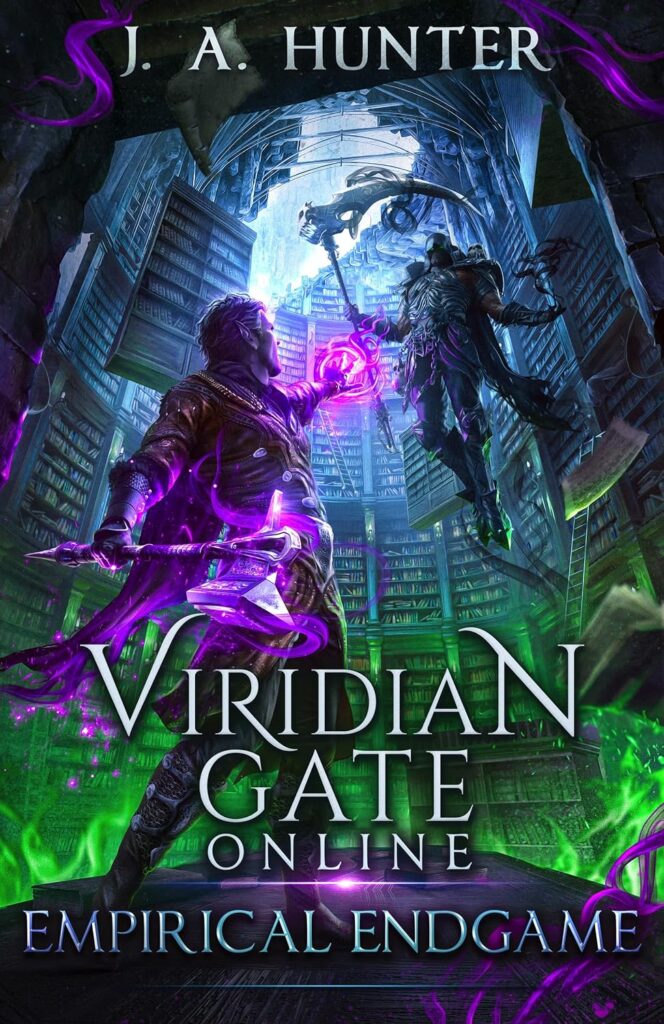
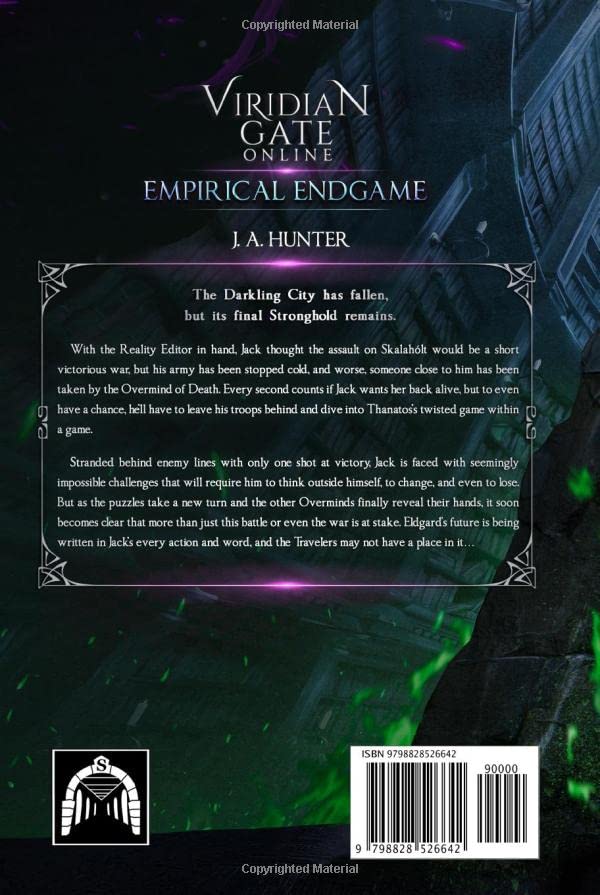
The Darkling City has fallen, but its final stronghold remains, setting the stage for an intense confrontation in Skalahólt. Armed with the Reality Editor, Jack anticipates a swift conclusion to the campaign, only to find his forces stalled.…
Quick Verdict
Empirical Endgame delivers a decisive emotional crescendo for long-term followers of the Viridian Gate Archives, balancing personal sacrifice with high-level progression mechanics. While the pivot toward isolated solo trials alters the grand-scale momentum of the war for Eldgard, it solidifies the character arcs in a way that satisfies core series readers.
Disclosure: As an Amazon Associate, LiaGuide earns from qualifying purchases. Affiliate relationships do not determine our editorial conclusions.
Premise and Final Conflict Setup
The Darkling City has fallen, but its final stronghold remains, setting the stage for an intense confrontation in Skalahólt. Armed with the Reality Editor, Jack anticipates a swift conclusion to the campaign, only to find his forces stalled. When a close companion is abducted by the Overmind of Death, the conflict turns personal and urgent, forcing Jack to abandon his army and plunge directly into a high-stakes game within a game behind enemy lines.
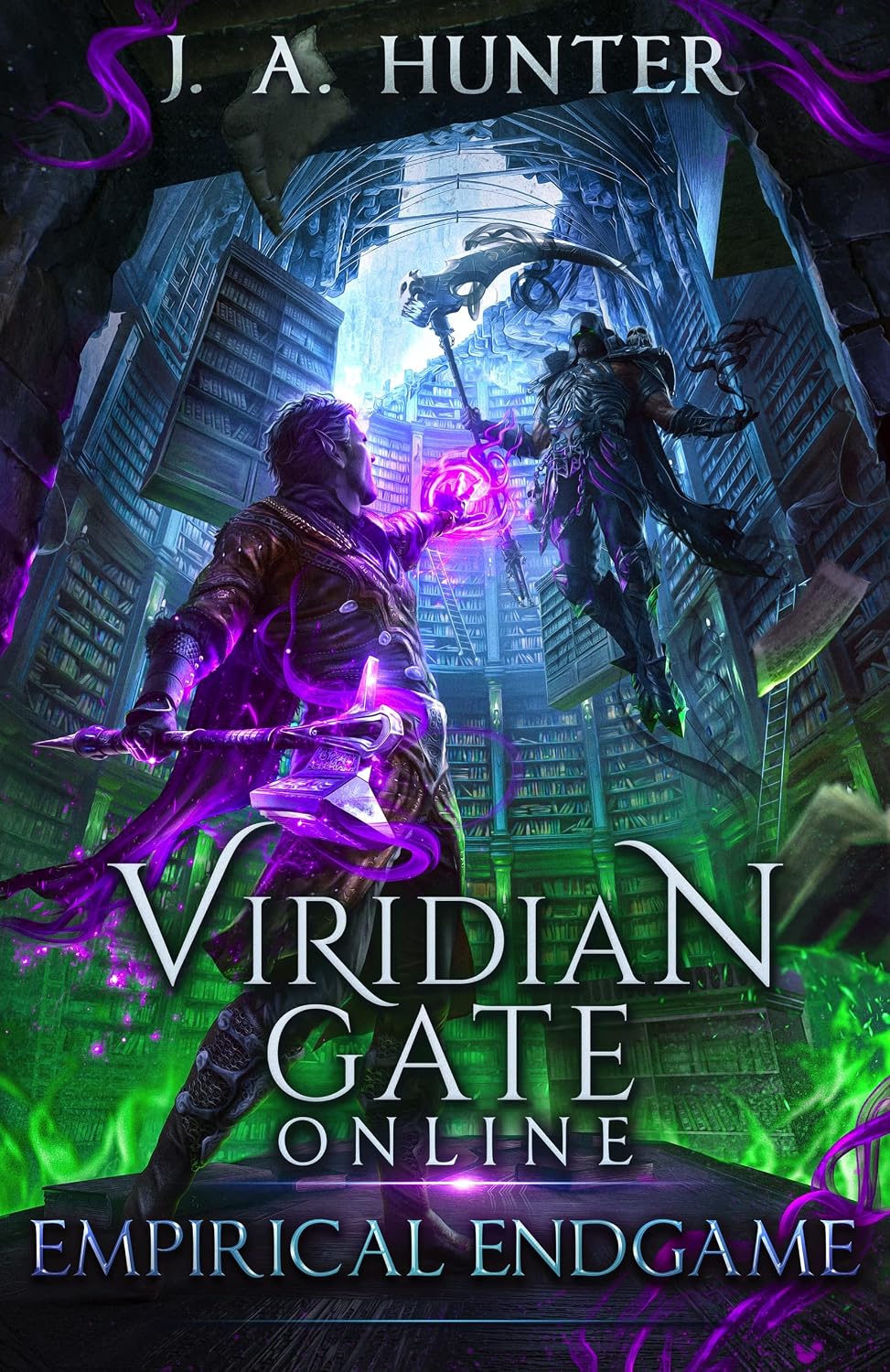
As puzzles shift and competing Overminds reveal their ultimate strategies, the scope expands far beyond a single battlefield. Author James A. Hunter positions this narrative as the concluding installment of the Viridian Gate Online epic, where Eldgard's long-term survival hangs in the balance and the future of the Travelers themselves is thrown into serious question.
Reading Experience and Narrative Progression
Reader feedback highlights a strong sense of continuity, noting that the final volume rewards long-time followers by honoring established character abilities and historical growth. Rather than relying on sudden power inflation, the narrative draws on mechanics and traits developed across earlier entries, building toward a high-tension crescendo where the protagonist and his allies face severe tests of capability.
The pacing balances tactical isolation with sweeping political and magical revelations. By stranding Jack away from his troops, the plot forces a shift from large-scale military strategy to personal problem-solving, creating a distinct narrative flavor compared to earlier siege arcs while maintaining the established virtual-reality fantasy tone.
Reader Fit and Series Continuity
This volume is tailored specifically for dedicated fans of the Viridian Gate Online universe and readers deeply invested in LitRPG progression fantasy. Those who have followed Jack's journey through previous installments will find necessary resolution here, as the book directly addresses lingering plot threads and the overarching fate of the virtual world.
Newcomers should avoid jumping in here; starting mid-series will obscure the significance of the character dynamics and political factions at play. Readers looking for standalone adventures or those unfamiliar with crunchy LitRPG mechanics featuring game-like systems, stat tracking, and virtual reality stakes will want to begin with the earliest books in the series rather than tackling the finale first.
Progression and Stakes in the Final Act
As the concluding volume of the Viridian Gate Archives, Empirical Endgame pivots away from standard regional skirmishes toward a high-pressure narrative bottleneck. Jack begins with the Reality Editor intending a swift resolution to the assault on Skalahólt, but the campaign stalls immediately. When a key companion is seized by the Overmind of Death, the operational scope narrows drastically from a broad military campaign to an isolated, high-stakes rescue mission behind enemy lines.
Reader feedback highlights how this shift alters the mechanical feel of the story. Rather than relying solely on large-scale troop movements, the narrative forces Jack into a distinct sub-arena—described as Thanatos’s twisted game within a game—where he must operate without his usual army support. Pacing accelerates as structural puzzles compound the physical danger, raising questions about the ultimate survival of the Travelers within Eldgard's evolving digital landscape.
- Shifts focus from broad military strategy to an isolated, high-risk rescue operation
- Removes standard group buffers, forcing solo problem-solving against complex puzzles
- Elevates series-wide stakes regarding the ultimate fate of the Travelers
Character Consistency and Series Payoff
Longtime followers of James A. Hunter's catalog will find that this installment prioritizes continuity of established traits over sudden, unearned power spikes. Reader reception emphasizes how character abilities developed across previous entries remain central to how obstacles are handled, rewarding those who have tracked the roster's evolution from the beginning.
The emotional weight builds toward what early readers term an unbelievable crescendo. Because the narrative maintains fidelity to prior growth trajectories, the compromises demanded of the protagonist feel earned rather than arbitrary, anchoring the high-concept virtual reality mechanics in grounded character stakes.
- Maintains faithful progression of established character capabilities
- Rewards long-term series readers with consistent internal logic and payoff
- Delivers an emotionally resonant finale built on earned character compromises
Navigating the Final Conflict
Concluding a sprawling virtual-reality epic involves heavy narrative compromises, and Empirical Endgame manages this by shifting the scope inward. Rather than maintaining a broad army-level war across every chapter, the plot strands pull Jack away from his troops and into isolated, high-pressure survival scenarios. Readers who prefer large-scale tactical deployments across Eldgard might find this narrower focus on solo puzzles and personal stakes a distinct shift in rhythm.
At the same time, this structural pivot allows the narrative to deliver consistent character progression without losing track of established abilities. Reviewers note that the payoff relies heavily on emotional history built over earlier volumes, making it less ideal for casual series jumpers who skipped the middle chapters. Committing to this finale requires an appetite for high-stakes internal trials rather than purely external battlefield conquests.
Who Should Read and Who Should Skip
Dedicated followers of James A. Hunter’s virtual reality catalog will find this installment a necessary conclusion that resolves long-standing plot threads regarding the Overminds and the ultimate fate of the Travelers. Fans who enjoyed the blend of crunchy progression mechanics and cinematic set pieces in previous entries like Darkling Siege or the wider Completionist Chronicles universe will appreciate the familiar stylistic cadence.
Conversely, newcomers looking for a standalone fantasy adventure should bypass this listing entirely, as jumping straight into the final act leaves the world-building and character motivations opaque. Readers who dislike split-party tropes or localized game-within-a-game trials may also want to temper their expectations regarding how much traditional army-vs-army combat remains in the closing acts.
Character Evolution and Long-Term Emotional Investment
Readers who have accompanied the series from its earliest installments express a deep, almost familial attachment to the primary cast, emphasizing how far the core group has progressed since their introduction. Several supplied reviews describe a profound emotional resonance as long-standing character arcs find their resolution, noting that the developmental trajectory feels earned rather than forced. Long-term fans frequently highlight specific companions like Cutter, Robert, and Abby as standouts who anchor the narrative's emotional weight, ensuring that the grand-scale conflicts never feel detached from human stakes.
A recurring point of praise centers on the author's consistency regarding character abilities. Rather than introducing sudden, unearned power spikes or forgetting established capabilities, the narrative is credited with methodically growing its roster's skills and actively utilizing them in high-pressure scenarios. This mechanical and personal continuity allows the emotional payoffs in the final stretch to land with maximum impact, leaving readers feeling rewarded for their multi-year investment in the character roster.
- Strong, consistent growth in character abilities without sudden, jarring capability resets
- Deep emotional attachment to enduring secondary characters like Cutter and Robert
- Character arcs that deliver significant emotional resonance after years of serial reading
Cinematic Pacing and Final-Act Scaling Trade-Offs
The overall pacing of the finale receives high marks for its cinematic flair, driving readers forward with high-octane action sequences and relentless momentum. Multiple accounts characterize the book as a page-turner that successfully balances world-ending stakes with intensely personal conflicts. The construction of the final dungeon run and the confrontation against divine-tier opposition are frequently cited as high-water marks for the genre's action choreography.
However, not every reader experienced the power scaling with identical satisfaction, revealing a nuanced structural debate. One detailed review argues that while the narrative's rapid progression into the highest power tiers was necessitated by the overarching plot, spending more time in the earlier tiers—specifically the foundational stages of the power-scaling system—would have created a more balanced and engaging journey. This critique reflects a common sub-genre tension: the desire to linger in a richly detailed sandbox versus the narrative imperative to rush toward cosmic escalation.
- Cinematic action sequences and high-stakes confrontations against divine opponents
- A distinct debate over power scaling, with some wishing for more time spent in early tiers
- Relentless forward momentum that keeps the pages turning despite structural compression
Worldbuilding Immersion and Open-Ended Universe Expansion
The virtual reality setting continues to captivate followers, with many describing the environment as a comforting, highly immersive space they hate to leave. Reviewers frequently compare the universe to a welcoming retreat, noting that the descriptive prose strikes a fine balance by painting vivid pictures without bogging down the narrative's forward drive. The depth of the lore accumulated over the series creates a lived-in feel that rewards dedicated genre enthusiasts.
Furthermore, readers appreciate how the conclusion handles the broader geopolitical and magical landscape. Rather than sealing off the setting entirely, the finale is commended for dropping subtle narrative tidbits and setting up potential spin-offs that invite other authors or future stories to explore the same sandbox. This approach satisfies the immediate need for closure while leaving the door cracked for ongoing imaginative investment, curing the typical post-series blues with the promise of more.
- Immersive, lived-in virtual reality worldbuilding that feels like a welcoming second home
- Descriptive prose that enlivens the setting without causing pacing drag
- Deliberate narrative seeds left behind for future spin-offs and expanded universe tales
Reader Satisfaction, Closure, and Nostalgia
Reaching the end of a long-running speculative fiction series is notoriously difficult, but reader consensus strongly indicates that this installment sticks the landing. Observers highlight the rare sense of closure the book provides, successfully tying together myriad plot threads that have woven through the epic arc for years. This ability to harmonize disparate narrative elements leaves the audience feeling both profoundly satisfied and cheerfully nostalgic.
While the goodbye is described as genuinely bittersweet—eliciting strong emotional reactions and a touch of melancholy—the overriding sentiment is one of deep gratitude. Reviewers who began their journey years prior emphasize that the culmination honors its origins while delivering a memorable send-off for the protagonist and his allies, cementing the series as a benchmark in its specific corner of speculative fiction.
- Masterful tying together of complex plot threads accumulated over many years
- A rare sense of definitive closure that avoids feeling rushed or dismissive
- A bittersweet, nostalgic goodbye that honors the journey's lengthy history
Pros and Cons
✓ Pros
- Delivers a cinematic, high-stakes final dungeon run and divine confrontation
- Maintains strict consistency in character abilities and long-term growth
- Provides emotional closure while leaving tantalizing room for spin-offs and expanded universe exploration
- Strikes an effective balance in descriptive prose that enlivens the virtual world without slowing momentum
✕ Cons
- Rapid progression through power-scaling tiers leaves some wishing for more time spent in early developmental stages
- Bittersweet finality may cause a sense of loss for readers attached to the primary cast
Frequently Asked Questions
Do I need to read the entire series before jumping into this book?
Yes. Reviewers emphasize that this is the grand finale of a massive, long-running epic arc, and appreciating the emotional payoffs, character dynamics, and intricate plot threads requires reading the preceding books from the very beginning.
Does the book leave room for future stories in the same universe?
Multiple accounts confirm that the conclusion successfully wraps up the primary narrative while dropping clever tidbits and structural openings for spin-offs and future expansions by the author or others in the shared universe.
Final Verdict
Viridian Gate Online: Empirical Endgame has a clear case for readers whose tastes line up with its strongest supported qualities. Its clearest strengths are delivers a cinematic, high-stakes final dungeon run and divine confrontation and Maintains strict consistency in character abilities and long-term growth. The main reason to hesitate is rapid progression through power-scaling tiers leaves some wishing for more time spent in early developmental stages. If that trade-off conflicts with your reading preferences, this is an easy title to skip; otherwise, the review evidence supports keeping it on your reading list.
See current book details
Check the current formats and listing details for Viridian Gate Online: Empirical Endgame: on Amazon.
View on AmazonAffiliate link. Product details may change.