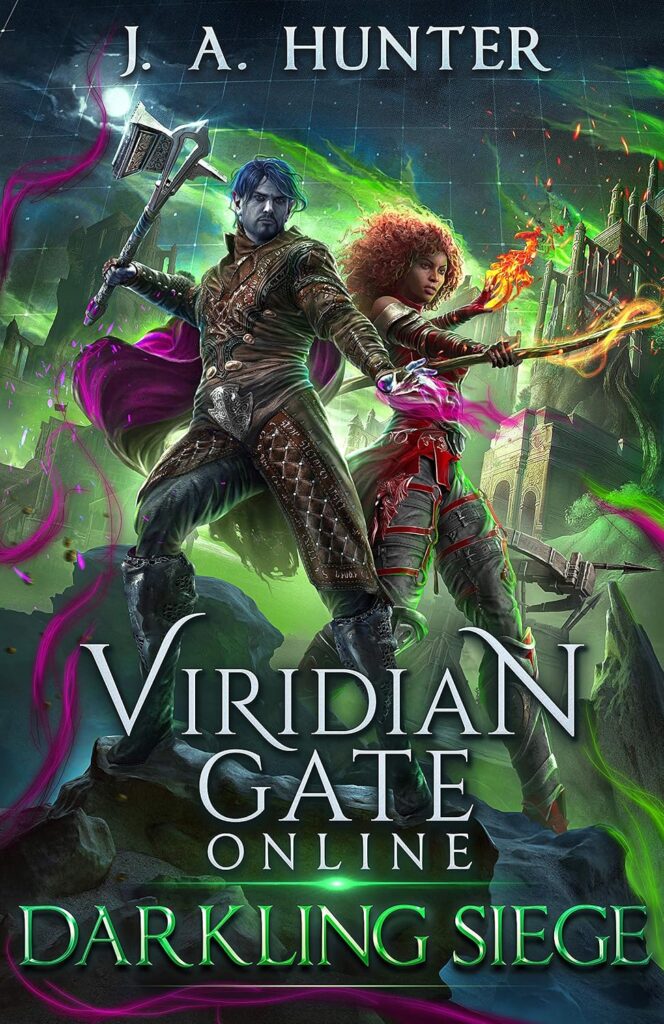
Darkling Siege represents the seventh installment in James A. Hunter’s expansive LitRPG epic, plunging readers back into a cutthroat virtual reality landscape where digital destruction carries heavy stakes. Protagonist Grim Jack finds himself thrust into an unexpected leadership…
Quick Verdict
Darkling Siege delivers precisely what series veterans expect from James A. Hunter: high-octane action, heavy personal stakes for the protagonist, and an unfolding digital apocalypse that continues to push the boundaries of Eldgard. While its dense setup and open-ended cliffhanger demand patience from the audience, the emotional resonance and lore expansion make it a rewarding checkpoint for established fans. If you are fully caught up with the archive and hungry for more clashes against Thanatos and his crew, this addition justifies a spot in your reading rotation. Just prepare for another intense wait for the narrative dust to settle.
Disclosure: As an Amazon Associate, LiaGuide earns from qualifying purchases. Affiliate relationships do not determine our editorial conclusions.
Premise and Setup
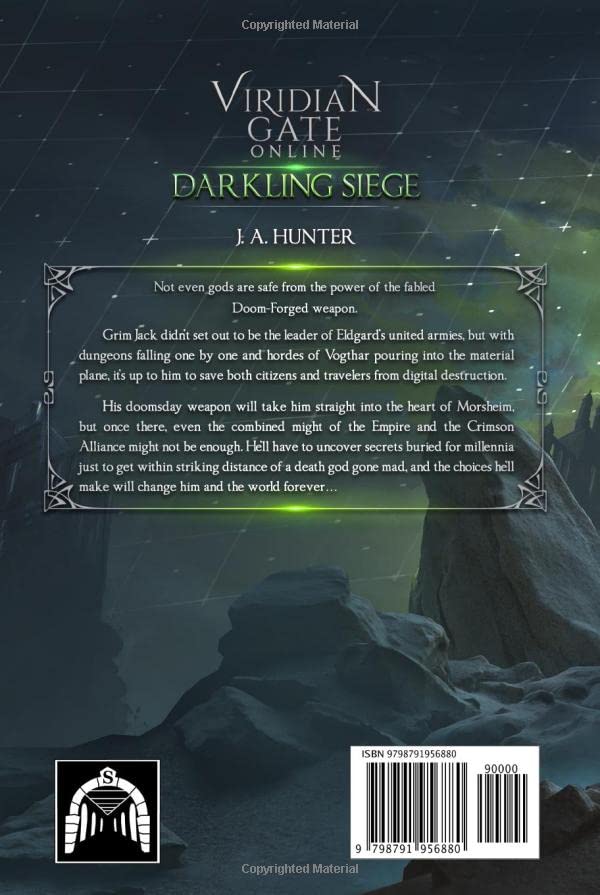
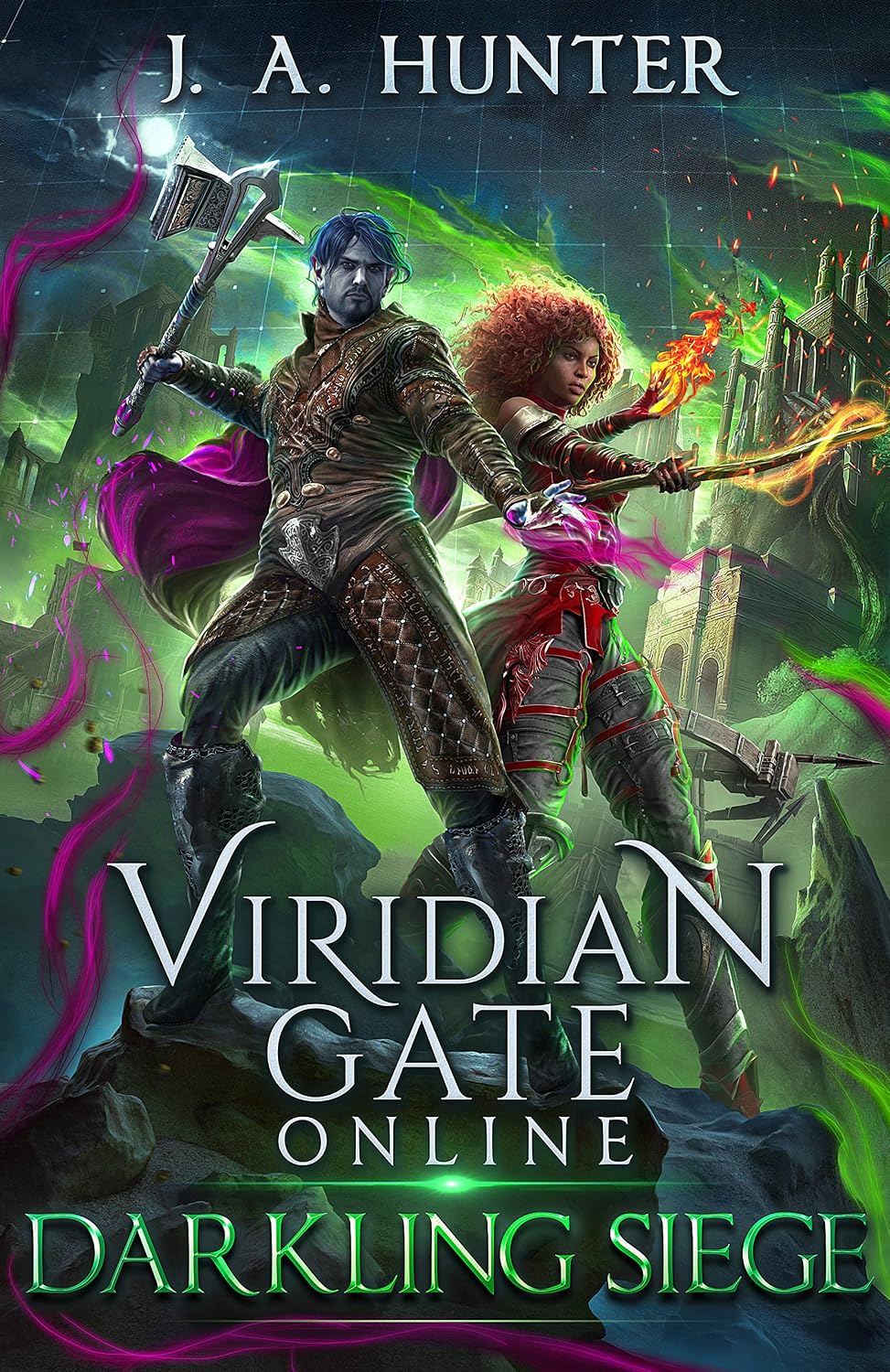
Darkling Siege represents the seventh installment in James A. Hunter’s expansive LitRPG epic, plunging readers back into a cutthroat virtual reality landscape where digital destruction carries heavy stakes. Protagonist Grim Jack finds himself thrust into an unexpected leadership role, tasked with uniting the armies of Eldgard as dungeons fall one by one and hostile Vogthar hordes swamp the material plane.
The overarching plot centers on a desperate push into Morsheim using a fabled, highly dangerous doomsday weapon capable of threatening even the gods. Achieving this requires navigating a web of long-buried secrets, pitting the combined forces of the Empire and the Crimson Alliance against a death god gone completely mad.
Reading Experience and Tone
The narrative leans heavily into high-stakes military fantasy combined with classic game-system progression. Reader feedback highlights a persistent sense of urgency, driven by relentless action sequences, escalating personal struggles for the main characters, and expanding lore surrounding the mysterious overminds that oversee the virtual realm.
Expect a sweeping emotional landscape rather than a straightforward combat romp. Observations from the community note that the pacing moves quickly through large-scale conflicts while weaving in side quests and world-building clues, though it culminates in a sharp cliffhanger designed to immediately feed anticipation for what comes next.
Reader Fit and Decision Signals
This installment is a natural match for established followers of the series or fans of sprawling virtual reality adventures reminiscent of Ready Player One crossed with dense epic fantasy. Readers who appreciate crunchy game mechanics mixed with high-fantasy politics and massive army engagements will find plenty to latch onto.
Those unfamiliar with the prior six books should skip starting here, as jumping straight into an advanced sequence will leave the complex factions, overmind mysteries, and character histories opaque. Newcomers seeking an entry point to James A. Hunter's work are better served picking up the foundational first volume rather than attempting to decode this late-stage siege.
Pacing and Progression in a High-Stakes Virtual War
As the seventh installment in a sprawling LitRPG series, Darkling Siege faces the classic long-form narrative challenge: maintaining momentum while juggling mounting digital threats and faction politics. Readers tracking Grim Jack's trajectory find that the pacing relies heavily on relentless external pressure. With dungeons collapsing and hordes of Vogthar advancing across Eldgard, the narrative moves at a brisk clip, prioritizing tactical confrontations and large-scale military clashes over quiet exposition.
That relentless drive leaves distinct impressions on long-term followers of the saga. Feedback highlights a satisfying density of action paired with expanded lore regarding the overminds, keeping the progression mechanics engaging for those invested in the wider universe. However, the heavy focus on siege mechanics and overarching warfare means some character-driven subplots take a temporary backseat.
For readers coming straight from earlier entries like the Crimson Alliance or Doom Forge arcs, the transition feels natural. You get the mechanical progression and power scaling you expect from the genre, though anyone hoping for a standalone adventure will find themselves thoroughly tethered to an intricate, ongoing chronology.
Character Stakes and Emotional Weight
Digital survival carries tangible personal costs for Grim Jack as he confronts Thanatos and maneuvers through the political minefield of Morsheim. Beyond the standard stat tracking and weapon upgrades characteristic of James A. Hunter's world-building, the narrative leans into the psychological strain placed on its central figures. Jack is thrust into a unifying leadership role he never explicitly sought, forcing awkward compromises between military necessity and personal survival.
Reader sentiment reflects a strong appreciation for these internal struggles, noting that the emotional highs and lows prevent the virtual reality setting from feeling entirely clinical or detached. While action remains the primary driver, the interpersonal dynamics and lingering mysteries surrounding the world's ancient secrets give the conflicts genuine weight.
If you prefer your progression fantasy lighthearted and focused solely on quick loot grabs, the heavier emotional toll and burden of command might surprise you. Conversely, readers who value a protagonist forced to reckon with the permanent fallout of digital warfare will find plenty of character-driven substance here.
Navigating the Trade-Offs of a Late-Series Epic
Jumping into the seventh installment of an expansive LitRPG arc brings inherent structural compromises. Readers who prefer standalone narrative payoffs will find themselves wrestling with a sprawling plot that prioritizes long-term world-building, grand faction conflicts, and deep-seated mysteries over tidy resolutions. James A. Hunter packs this volume with heavy pacing—traversing high-stakes dungeon collapses, massive allied forces clashing with the Vogthar, and personal character trials for Grim Jack.
That density creates a double-edged reading experience. On one hand, supporters tracking the overarching lore find plenty of substance, including side quests and expanded context regarding the enigmatic overminds. On the other hand, the narrative architecture leaves room for frustration if you prefer quick completions. As reader feedback notes, the conclusion deliberately stretches toward future conflicts, leaving enthusiasts eager for the next chapter rather than resting on a closed-loop finale.
Who Should Read This, and Who Should Skip
This volume serves dedicated followers of the Viridian Gate Archives best. If you have marched alongside Grim Jack through previous tactical escalations and remain invested in the fate of Eldgard, picking up Darkling Siege is a seamless continuation of familiar digital-survival stakes. It also appeals to fans of sprawling virtual-reality fantasy universes who appreciate detailed skill progressions, massive scale, and high-intensity conflicts akin to Ready Player One or sprawling epic fantasy series.
Conversely, newcomers should entirely avoid dropping into this point of the narrative sequence. Jumping straight into the seventh book without experiencing the preceding groundwork will leave you detached from the character relationships, political alliances, and tech-magic mechanics. Readers looking for short, self-contained adventures or those disinterested in sprawling LitRPG stat-tracking and virtual-world politics will likewise want to pass on this installment.
Sustained Action and Personal Stakes in the Seventh Installment
Readers repeatedly point out that this seventh installment maintains the relentless narrative momentum established earlier in the series while intensifying the personal struggles faced by the main characters. Several supplied reviews describe how the protagonist, Grim Jack, continues his gritty confrontations against divine and infernal forces like Thanatos and his crew, blending large-scale virtual warfare with intimate character tests. Rather than relying solely on background chaos, the narrative foregrounds the emotional toll exacted on the core cast as they navigate shifting alliances and overwhelming odds.
At the same time, long-term followers observe that the book successfully balances grand tactical operations with quieter character moments. The conflict feels deeply personal because the stakes are tied directly to the survival of both digital travelers and physical plane citizens, keeping the emotional core anchored even as the overarching plot expands into massive, multi-front engagements.
- Continuous high-stakes friction between the protagonist and divine adversaries
- Integration of personal emotional friction alongside massive tactical battles
- Deepening ties to ongoing side quests and world arcs
Combat Creativity and Tactical Variety
A recurring point of praise among readers is the inventive approach to combat and magical mechanics. Reviewers note that the hero’s survival consistently hinges on clever, dynamic tactics during battles rather than raw, unearned power spikes. This tactical ingenuity keeps the skirmishes fresh and engaging across an extended series where combat fatigue might otherwise set in.
The tactical landscape is further enriched by the return of beloved supporting characters, with several accounts highlighting how figures like Abby, Amara, and Osmark showcase their unique abilities and agency. The synergy among the cast transforms standard skirmishes into vibrant tactical set-pieces that reward readers who have invested in the group's evolution over multiple volumes.
- Survival driven by tactical creativity rather than simple stats
- Strong showings and utility from returning supporting cast members
- Fluid integration of special abilities, spells, and malware-infused weaponry
Repetitive Phrasing and Stylistic Habits
Despite widespread enthusiasm, a detailed critique shared by some readers centers on stylistic repetition. One detailed review argues that the author frequently recycles identical terminology, descriptive phrases, and combat callouts—such as specific spell names or attack maneuvers—across consecutive volumes. For some, these familiar linguistic anchors border on the memorizable.
While this stylistic consistency helps maintain series identity, it occasionally prompts readers to skim through familiar descriptive passages. However, most who note this quirk treat it as a minor friction point rather than a major deterrent, viewing it as a natural byproduct of sustaining a long-running fantasy epic with recurring mechanical routines.
- Frequent recycling of specific combat terminology and spell descriptions
- Familiar phrasing patterns that some readers tend to skip over
- A minor trade-off for maintaining series-wide stylistic continuity
The Cliffhanger Debate and Reader Division
The most polarized reader reaction focuses squarely on the book's abrupt conclusion. Multiple reviews describe the ending as a sharp, jarring cliffhanger that cuts off right as narrative tension peaks. For a segment of the audience, turning the final page only to find promotional material instead of a resolution feels like an abrupt stop on an emotional roller coaster, leaving them frustrated by the lack of traditional closure.
Conversely, another group of readers responds differently, viewing the abrupt cutoff as an effective hook that generates intense anticipation for the next volume. Some even express relief upon realizing the story is continuing rather than ending prematurely, welcoming the promise of further adventures while simultaneously lamenting the agonizing wait for the follow-up release.
- Sharp division over the abrupt, unresolved final chapter
- Frustration from readers craving traditional conflict resolution
- Excitement and high anticipation from those eager for the next installment
Audience Satisfaction and Series Momentum
Overall satisfaction leans heavily positive, with most participants ranking the novel among the strongest entries in the overarching saga. The pacing, worldbuilding depth, and emotional resonance succeed in keeping long-term fans thoroughly hooked. Readers who have journeyed this far into Eldgard find plenty of rewarding payoffs in side quests, world lore, and escalating hostilities.
Ultimately, prospective readers will find that satisfaction depends heavily on their tolerance for serialized storytelling structures. Those who enjoy sweeping virtual reality epics with continuous plot threads will feel right at home, whereas readers who demand standalone book arcs with neat resolutions may find the structural cliffhangers challenging to navigate.
- Ranked by many fans as a top-tier entry in the multi-book sequence
- High emotional investment in the fate of Eldgard and its defenders
- Strong recommendation for established LitRPG and progression fantasy enthusiasts
Pros and Cons
✓ Pros
- Inventive combat scenarios that rely on tactical cunning rather than brute force
- Engaging utilization of fan-favorite supporting characters and faction dynamics
- Pacing that successfully maintains high tension across a massive virtual war
✕ Cons
- Repetitive phrasing and recycled descriptions for recurring spells and attacks
- An abrupt, unresolved cliffhanger ending that leaves some readers craving immediate closure
Frequently Asked Questions
Can new readers jump into this book without reading the previous installments?
Supplied reviews strongly recommend experiencing the earlier books first, as the narrative builds heavily on established relationships, deep-seated conflicts, and accumulated world lore within the Eldgard universe.
Does this book provide a definitive conclusion to the overarching series arc?
No. Rather than offering a neat resolution, the story concludes on a sharp, high-tension cliffhanger that leaves major plot threads open for subsequent volumes.
Final Verdict
Viridian Gate Online: Darkling Siege has a clear case for readers whose tastes line up with its strongest supported qualities. Its clearest strengths are inventive combat scenarios that rely on tactical cunning rather than brute force and Engaging utilization of fan-favorite supporting characters and faction dynamics. The main reason to hesitate is repetitive phrasing and recycled descriptions for recurring spells and attacks. If that trade-off conflicts with your reading preferences, this is an easy title to skip; otherwise, the review evidence supports keeping it on your reading list.
See current book details
Check the current formats and listing details for Viridian Gate Online: Darkling Siege: on Amazon.
View on AmazonAffiliate link. Product details may change.