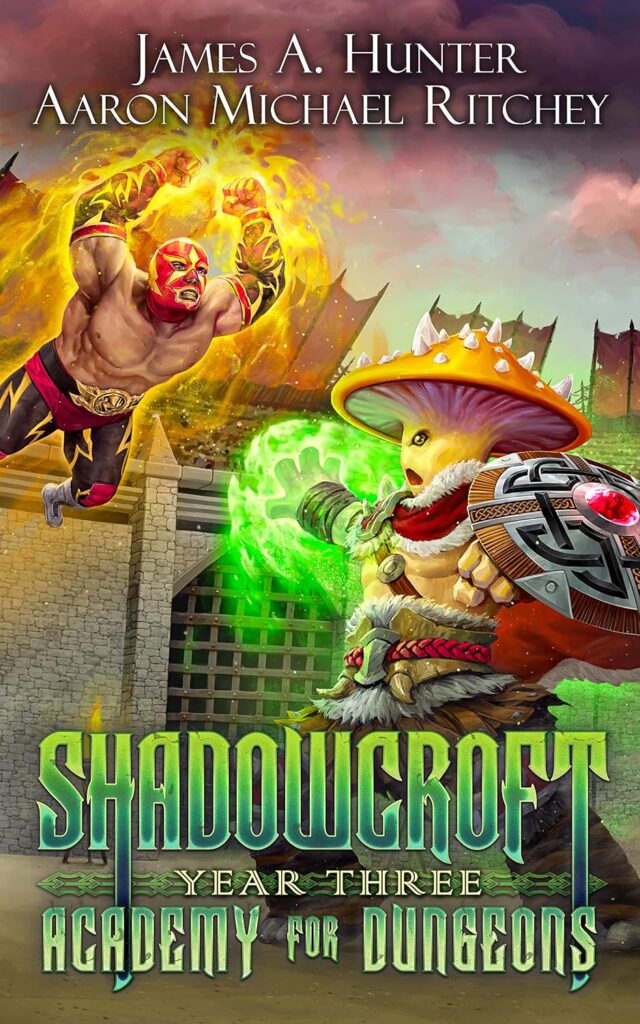
Following a sophomore year marked by an averted ancient evil and a localized murder mystery, protagonist Logan and his eccentric peer group—known collectively as the Terrible Twelfth—return for an escalating sequence of challenges in Shadowcroft Academy For Dungeons:…
Quick Verdict
Shadowcroft Academy For Dungeons: Year Three delivers a chaotic, comedic continuation that leans fully into its established formula of high-stakes tournaments, bizarre electives, and relentless humor. It remains a fitting pickup for dedicated followers of the series ready for another round with the Terrible Twelfth.
Disclosure: As an Amazon Associate, LiaGuide earns from qualifying purchases. Affiliate relationships do not determine our editorial conclusions.
Premise and Setup
Authored by James A. Hunter and Aaron Michael Ritchey, this installment places the academy at the center of a high-stakes Interschool Tournament.
The curriculum expands to match the rising danger. Students face specialized coursework including Destruction business strategy, syllable-based power poetry, and a volatile alchemy class managed by a faculty member whom nobody seems to recall hiring. Beyond the classroom pressures, a masked dungeoneer with ties to Earth targets tournament competitors while an array of surreal hazards—ranging from aggressive fungi to a crocheting minotaur—complicates the academic term.
Reading Experience and Tone
Co-authors James A. Hunter and Aaron Michael Ritchey maintain the signature blend of game-system mechanics and comedic fantasy established in earlier volumes. The narrative leans heavily into LitRPG progression tropes, balancing detailed stat tracking, loot acquisition, and sponsorship dynamics with lighthearted absurdist humor.
Readers familiar with the authors' previous collaborative works or broader shared universes like Viridian Gate Online will encounter a similar narrative rhythm. The pacing combines high-energy competition sequences with offbeat world-building details, ensuring that tactical dungeon-delving elements remain balanced against running comedic gags.
A recurring friction point among otherwise satisfied readers involves the pacing and sensory density of the opening chapters. Several reviews characterize the first half of the book as feeling like a descent into literal madness. The heavy reliance on recurring motifs—such as endless streams of twine and bizarre alchemical concoctions—creates a dense reading experience that some find testing to push through.
While many readers appreciate the chaotic energy as a deliberate reflection of the protagonist's bizarre academic environment, a segment of the audience admits to feeling bogged down by the sheer volume of oddities. Reviewers note that maintaining engagement through these eccentric worldbuilding loops requires patience, though those who persist are generally rewarded as the narrative transitions into its more structured competitive phases.
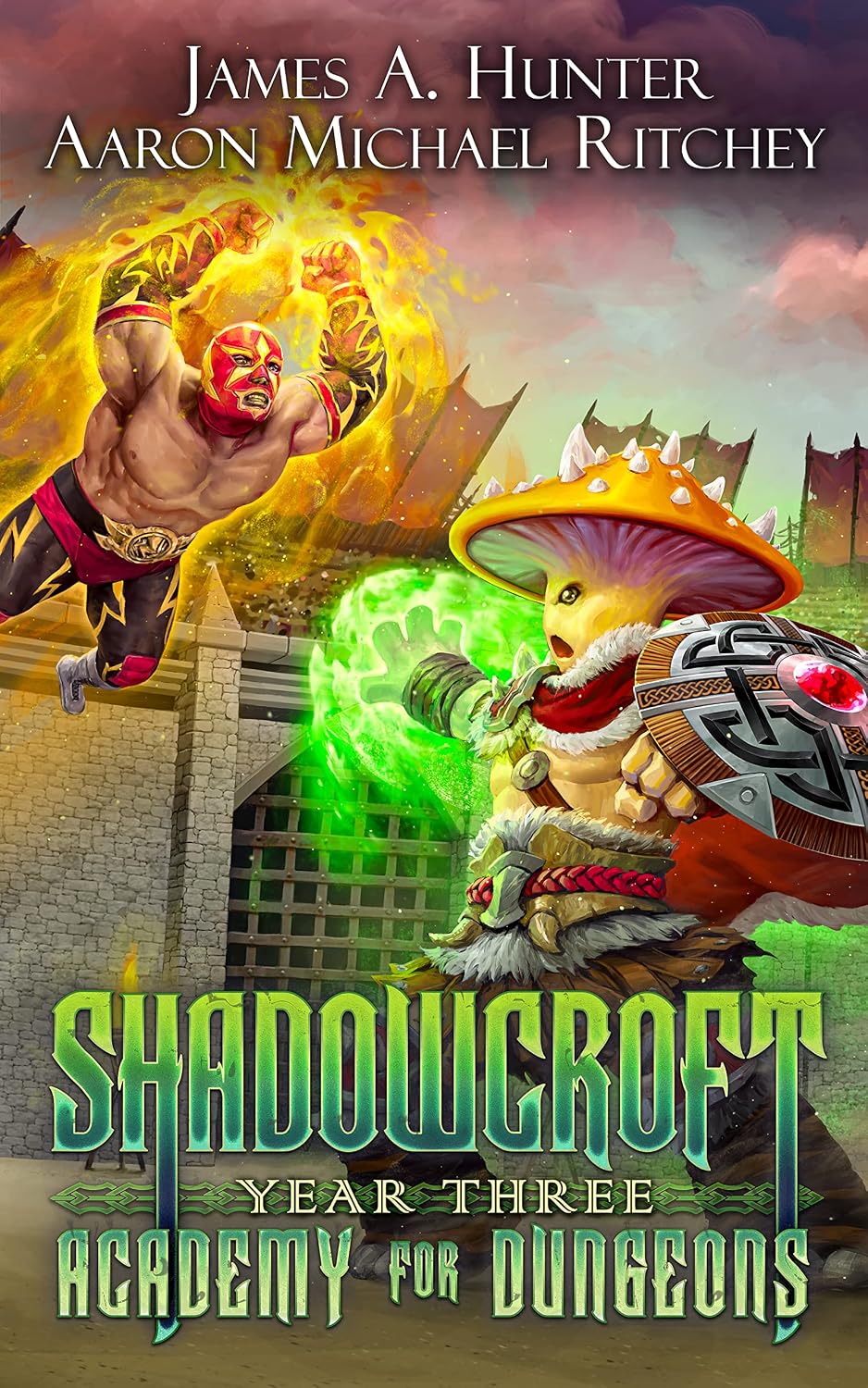
When the narrative shifts toward competitive action, reader response grows decidedly unified and enthusiastic. Multiple reviews highlight the riveting nature of the tournament sequences, noting that the stakes feel genuinely high despite the surrounding comedic framing. The combination of lethal school competition, lucrative sponsorships, and an overarching threat from a mysterious masked antagonist keeps pages turning swiftly.
Readers frequently observe that the action successfully balances casual casualties with high-tension survival moments, wrapped neatly in themes of unwavering friendship. Even critics of the book's comedic excesses tend to concede that the latter portions deliver solid pacing and an engaging buildup toward the conclusion, leaving audiences eager for the next installment.
Format-specific reactions reveal how delivery impacts the perception of the book's chaotic nature. Audiobook listeners frequently praise the medium for enhancing the lighthearted, fun-loving atmosphere, noting that vocal performances bring the fungaloid humor and eccentric classes to life in a way that smooths over slower pacing stretches.
Conversely, Kindle and paperback readers are more likely to express fatigue during dense descriptive paragraphs or repetitive running gags. The visual text exposes the sheer volume of eccentric worldbuilding details, which some readers found easier to digest as an auditory experience while others enjoyed wolfing down in print format.
- First-half pacing described by some as chaotic or akin to madness.
- Heavy focus on recurring running gags like twine and alchemical brews.
- Patience required early on before narrative momentum stabilizes.
- High praise for riveting tournament battles and escalating danger.
- Effective contrast between lighthearted friendships and lethal stakes.
- Strong momentum that leaves readers looking forward to the next year.
- Audiobook format praised for amplifying the lighthearted and fun tone.
- Print and digital readers more sensitive to repetitive gags and dense pacing.
- Varying tolerance for descriptive text based on reading medium.
Reader Fit and Decision Signals
This novel fits established fans of progression fantasy, dungeon core narratives, and stat-heavy LitRPG adventures who have followed Logan's progression through his freshman and sophomore years. Anyone who appreciated the specific brand of humor and institutional chaos in the preceding volumes will find the third year delivers a direct continuation of that style.
Conversely, readers seeking traditional high fantasy without game mechanics, status screens, or meta-humor should look toward standard epic fantasy series instead. Additionally, newcomers should note that jumping straight into the third year without reading the first two installments will leave them missing crucial context regarding the academy's unique structure and character relationships.
This novel suits established fans of James A. Hunter and Aaron Michael Ritchey's collaborative universe who want a direct continuation of Logan's academic and dungeon-delving career. It is especially well-matched for readers who enjoy game-lit elements, stat block integration, and tongue-in-cheek fantasy tropes delivered with a heavy dose of pop-culture awareness.
Conversely, if you prefer standalone fantasy novels free of serial progression hooks or mechanical leveling systems, you would be better served by traditional progression fantasy or standard academy-setting adventures. Readers looking for gritty, high-stakes drama without comedic crafting side-tracks should also steer toward alternative fantasy subgenres.
Curriculum Escalation and Progression Mechanics
Returning readers moving past the sophomore installment will notice an immediate shift in how Logan and the Terrible Twelfth advance their capabilities. James A. Hunter and Aaron Michael Ritchey lean further into the institutional absurdity of Shadowcroft Academy by introducing a fresh slate of specialized electives. Classes like Runic Haiku and the notoriously hazardous Brews, Beers, and Bubbles serve as more than comedic window dressing; they actively reshape how the protagonists tackle escalating combat scenarios.
Progression-minded fans tracking the LitRPG mechanics will find that the narrative balances stat-driven advancement with chaotic, school-mandated trials. The introduction of epic loot and school sponsorships injects a high-stakes competitive layer into the usual dungeon-crawling formula. Rather than a straightforward climb in power, the characters must navigate bureaucratic dangers and volatile tournament brackets that test the limits of their newly acquired skill synergies.
Readers who prefer slow-burn, methodical character growth over rapid-fire curriculum changes might find the pacing breathless at times. The narrative momentum rarely slows down, pivoting quickly from administrative chaos to lethal tournament bouts. However, those invested in the ongoing expansion of the academy's eccentric worldbuilding will appreciate how seamlessly these bizarre classes tie into the overarching survival stakes of the junior year.
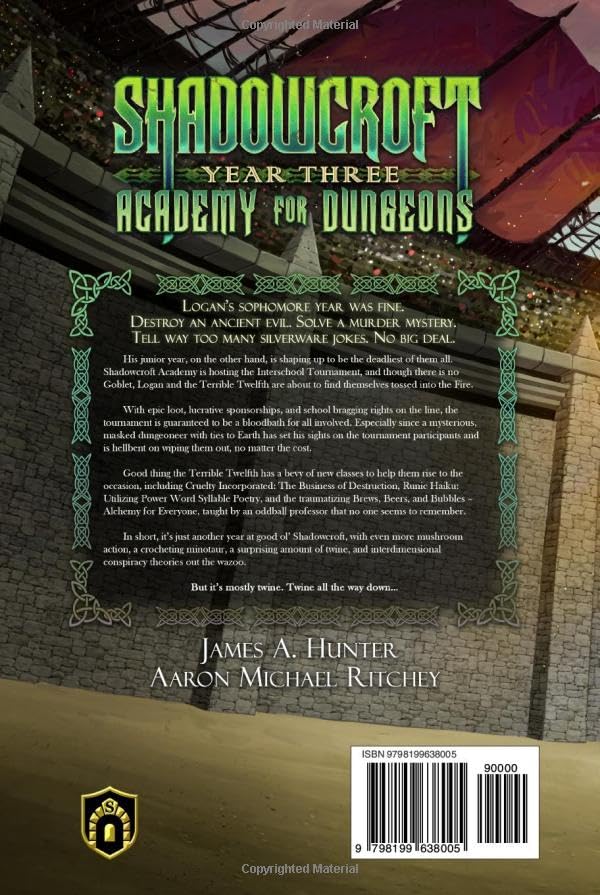
Tone Balance: Whimsical Absurdity Meets Lethal Stakes
Maintaining a consistent atmosphere while juggling contrasting comedic and perilous elements is a persistent challenge for multi-author progression fantasy. This third entry leans hard into its signature brand of humor—peppered with running gags, a crocheting minotaur, and an absurd fixation on twine—while anchoring the overarching plot around a masked, Earth-tied antagonist hunting tournament participants.
The juxtaposition of lighthearted school antics with genuine lethality creates a distinct tonal tightrope. When the narrative pivots toward the Interschool Tournament, the atmosphere darkens noticeably, reminding the audience that the institutional humor exists to mask actual peril. This dynamic works well for fans of the series who enjoy comedic relief embedded directly inside high-mortality scenarios.
On the other hand, readers who prefer a drier, more grounded progression fantasy tone may find the sheer density of running jokes and bizarre conceptual detours fatiguing. The humor is loud, frequent, and unapologetically niche. If offbeat magical classes and recurring crafting gags enhanced your reading experience in previous years, this volume delivers more of what you came for without losing its narrative teeth.
Readers repeatedly point to the heightened comedic tone of this installment, noting that the narrative leans heavily into eccentric gags, fungal puns, and relentless pop-culture references. Several supplied reviews describe laughing out loud at the absurdity, pointing out that the humor permeates nearly every interaction and class session. For fans of lighthearted, whimsical progression fantasy, this comedic abundance hits the mark, delivering cheerful entertainment that does not take itself too seriously.
However, this sharp pivot toward humor is also the source of a notable reader divide. A minority of reviewers argue that the jokes become too prevalent and heavy-handed compared to earlier entries in the series. One detailed review points out that favorite elements like strategic dungeon management and systematic school progression occasionally get sidelined in favor of continuous side gags. For readers who preferred a tighter balance between tactical depth and levity, the amplification of whimsical elements can feel like a downturn in narrative focus.
- Praise for frequent laugh-out-loud moments and lighthearted fungal puns.
- Critique that jokes can occasionally feel ham-fisted or overwhelming.
- Discussion on whether side gags overshadow core narrative progression.
Weighing the Trade-Offs
Readers diving into Shadowcroft Academy For Dungeons: Year Three will encounter a distinct set of narrative compromises typical of long-running LitRPG series. The core enjoyment hinges heavily on an appetite for escalating scale, absurd curriculum concepts like Runic Haiku, and a continued focus on the chaotic exploits of the Terrible Twelfth. Those who appreciated the specific flavor of humor and dungeon-building mechanics in earlier instalments will find plenty of familiar ground.
At the same time, the narrative weight shifts toward a sprawling interdimensional conspiracy and a masked antagonist targeting tournament participants. If your primary reading motivation is tight, self-contained room crawling rather than overarching school-tournament politics, the expanding plot boundaries may feel slightly diffuse. This volume prioritizes comedic world-building and quirky class side-quests over streamlined pacing.
Character Bonds and Inhabiting Non-Human Perspectives
The central cast's camaraderie remains a foundational anchor for the readership. Reviewers repeatedly praise the protagonist's can-do attitude, fierce devotion to friends, and the underlying warmth that grounds the surreal premise. The character dynamics help bridge the gap when the plot ventures into deeply unfamiliar territory.
At the same time, a few observations touch on the inherent challenge of connecting emotionally with characters who are fundamentally dungeon cores rather than traditional humans. Even though the protagonist's soul originates from Earth, the sheer weirdness of fungal physiology and alien mindsets occasionally creates a relational barrier, requiring readers to lean heavily into the humor and absurdity to stay invested.
- Strong appreciation for loyalty and friendship among the core group.
- Inherent disconnect in relating to non-human dungeon core protagonists.
- Earth origins and pop-culture references serving as anchors for empathy.
Pros and Cons
✓ Pros
- Delivers significantly more laugh-out-loud comedy and eccentric gags for fans of lighthearted progression fantasy.
- Riveting tournament action sequences that successfully elevate the stakes and danger.
- Strong emotional core anchored by the protagonist's unwavering devotion to friends.
- Audiobook narration excels at bringing the whimsical fungal world and weird classes to life.
✕ Cons
- The first half can feel like chaotic madness, dragging due to excessive running gags like twine.
- Some readers feel that core elements like dungeon strategy and school progression were sidelined for side jokes.
- Inherent weirdness of non-human dungeon core perspectives can make emotional connection difficult at times.
Frequently Asked Questions
Is this book suitable for readers who prefer serious, tactical progression fantasy?
Readers who prioritize strict strategic dungeon management and low-humor progression may find this installment overly comedic and chaotic, as it leans heavily into slapstick, pop-culture references, and eccentric side gags.
How does the audiobook compare to the Kindle edition based on reader feedback?
Audience responses suggest that audiobook listeners enjoy the lighthearted fun and fast-paced delivery more smoothly, whereas print and digital readers are more likely to report pacing fatigue during the dense, gag-heavy first half.
Final Verdict
Shadowcroft Academy For Dungeons: Year Three has a clear case for readers whose tastes line up with its strongest supported qualities. Two strengths stand out. The book delivers significantly more laugh-out-loud comedy and eccentric gags for fans of lighthearted progression fantasy. Another strength is its riveting tournament action sequences that successfully elevate the stakes and danger. The main drawback is that the first half can feel like chaotic madness, dragging due to excessive running gags like twine. If that trade-off conflicts with your reading preferences, this is an easy title to skip; otherwise, the review evidence supports keeping it on your reading list.
See current book details
Check the current formats and listing details for Shadowcroft Academy For Dungeons: Year Three on Amazon.
View on AmazonAffiliate link. Product details may change.