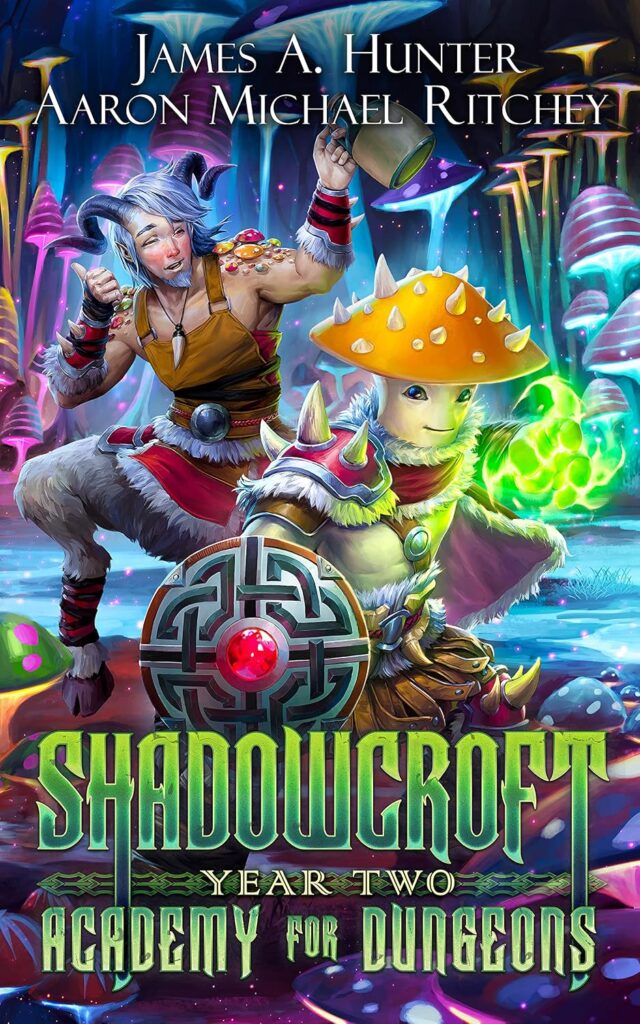
Following a narrow escape from his freshman term, former army veteran turned fungaloid Logan Murray discovers that institutional danger at Shadowcroft Academy for Dungeons is escalating rather than easing. Mysterious student casualties are mounting across the campus, pushing…
Quick Verdict
Shadowcroft Academy For Dungeons: Year Two delivers a satisfying continuation for anyone invested in Logan Murray's fungaloid transformation and academic survival. It trades some of the fresh wonder of the debut for deeper character classes, higher stakes, and more institutional chaos. If you enjoyed the first term, enrolling for the second year is an easy decision.
Disclosure: As an Amazon Associate, LiaGuide earns from qualifying purchases. Affiliate relationships do not determine our editorial conclusions.
The Premise: Surviving Sophomore Year at a Murderous Academic Institution
Meanwhile, everyday academic survival demands managing stalled cultivation levels, hostile royal classmates, and bizarre electives that treat lethal architecture as homework.
Authored by James A. Hunter and Aaron Michael Ritchey, this installment continues the unique blend of dungeon-building mechanics, dark academia tropes, and irreverent comedy established in the series opening. Readers stepping into Year Two will find a narrative that deepens the core progression systems while keeping the characteristic tongue-in-cheek tone intact.
Reading Experience and Progression Mechanics
The supporting reader feedback and publisher framing point toward a fast-paced blend of GameLit progression and fantasy satire. Rather than taking itself overly grim, the text leans into the absurdity of dungeon management where homework involves designing offensive layouts and extracurriculars center on minion management. Fans of statistical growth, magical evolution milestones, and tactical base-building will find familiar genre comforts wrapped in a distinct monstrous perspective.
At the same time, the narrative balances systematic progression with serial mysteries. The dual pressure of solving a generational campus conspiracy while engineering functional dungeon defenses creates an engaging narrative loop for followers of tactical progression fantasy.
Returning readers will find that the sophomore term maintains the core system mechanics introduced in the opening volume while accelerating the academic stakes. Logan Murray's transformation into a fungaloid entity anchors a progression loop that blends traditional LitRPG core-building elements with unconventional monster evolution milestones. Readers who enjoy granular tracking of stats, core level-ups, and strategic dungeon design will appreciate how the curriculum directly influences tactical capabilities.
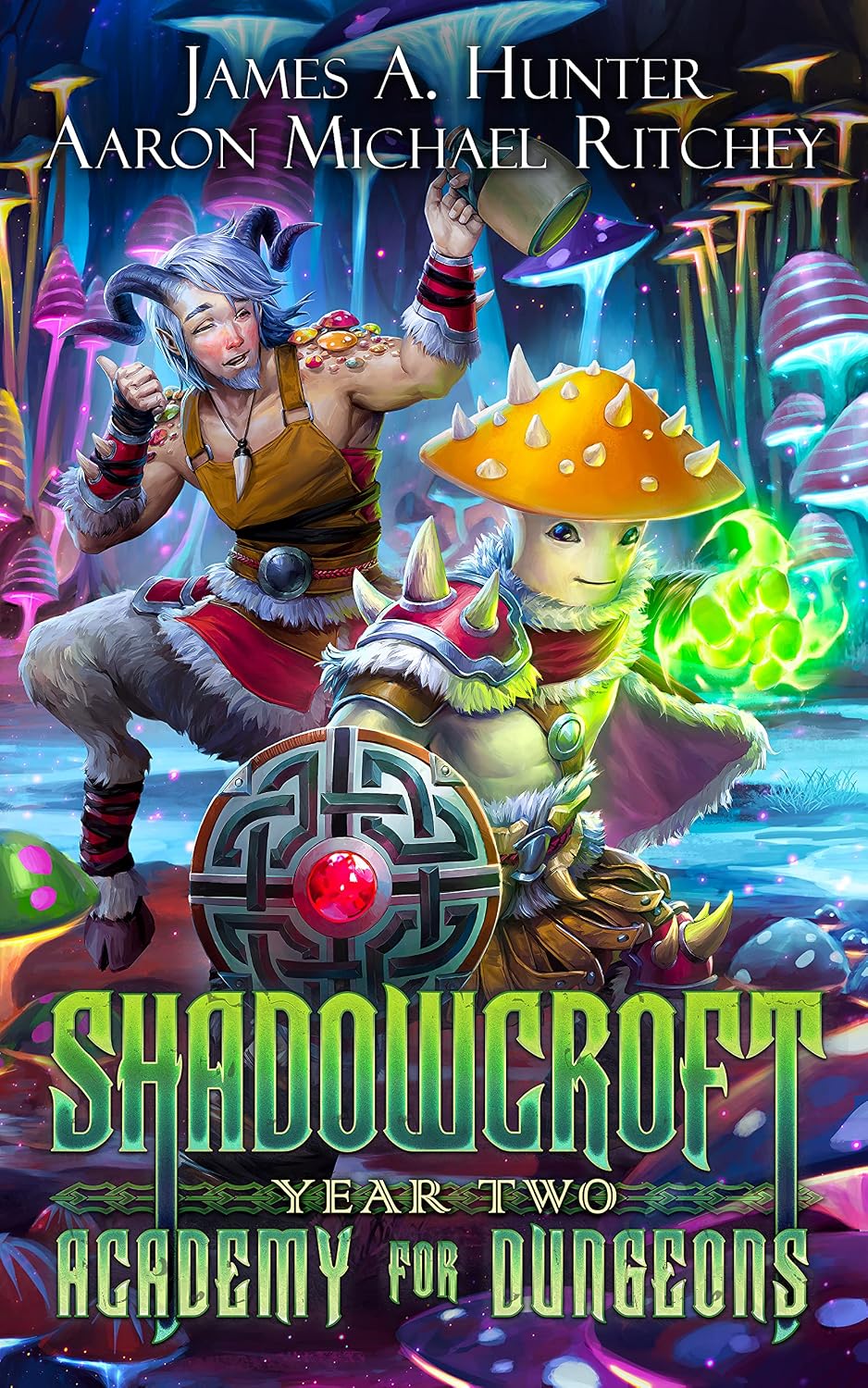
At the same time, the narrative balances systemic crunch with institutional survival. Pacing shifts dynamically between classroom trials, administrative friction, and sudden lethal threats targeting the student body. While some progression-heavy narratives bog down in spreadsheet-heavy stat blocks, this installment keeps the momentum tied to active survival pressure rather than passive training montages.
The expansion of Shadowcroft Academy's academic structure and dungeon-design mechanics earns high marks from fans of LitRPG and progression fantasy. Reviewers enjoy the deep dive into specialized classes, bizarre creature designs like 'threeks,' and the strategic intricacies of optimizing a murder-dungeon. The fusion of cultivation elements with classic dungeon-core tropes gives the setting a distinct identity within an increasingly crowded genre.
Despite the overall enthusiasm, critical readers point out specific missed opportunities in the worldbuilding execution. One detailed critique notes an excess of seemingly pointless focus on mundane elements like silverware discussions, contrasted with a desire for more active dungeoneering sequences and tougher challenger runs to test the dungeon's defensive setups.
- Creative integration of dungeon-core strategies, cultivation, and bizarre academic classes.
- Well-defined monster and creature design details that expand the universe.
- Occasional reader complaints regarding extraneous narrative tangents and light dungeoneering action.
Reader Fit: Who Should Enroll and Who Should Skip
This sequel suits readers who enjoyed the freshman outing and want more of Logan’s fungal perspective, quirky curriculum challenges, and systemic progression loops. Those who appreciate LitRPG settings where the protagonist builds power from the ground up while navigating absurd administrative hurdles will feel right at home.
Conversely, readers looking for straightforward high epic fantasy without game mechanics, status updates, or comedic meta-commentary should look toward traditional fantasy alternatives. Anyone who skipped the first year would also do well to start there, as dropping straight into sophomore term will leave crucial dungeon core dynamics unexplained.
This sequel is a natural fit for fans of the first volume, readers devoted to the broader LitRPG and GameLit subgenres, and anyone who appreciates unconventional protagonists like Logan Murray. If tracking stat growth, core upgrades, and monstrous evolutions while dealing with academic bullies sounds like a fun weekend escape, you will feel right at home in Arborea.
Conversely, skip this title if you are looking for standalone epic fantasy or a grimdark dungeon crawler stripped of lighthearted comedy. Readers who demand total structural originality from every sequel might find that the sophomore term relies a bit too heavily on familiar tropes and academy-setting dynamics.
- Great for existing fans of James A. Hunter's collaborative works and stat-heavy progression novels.
- Pass if you prefer serious, low-humor fantasy without institutional or classroom tropes.
Tone, Humor, and Character Dynamics
The comedic voice relies heavily on absurd logistical juxtapositions, pairing deadly academic bureaucracy with lighthearted genre self-awareness. Classes with titles like Offensive Dungeon Design and minion management provide fertile ground for situational humor, contrasting sharply with the underlying danger of student mortality rates. This blend gives the series its distinct flavor, appealing directly to fans of comedic progression fantasy who do not mind dark undertones wrapped in goofier premises.
Character work centers primarily on Logan and the Terrible Twelfth, whose camaraderie acts as an emotional anchor amid the chaos. Friction with rival factions—such as the lingering hostility from Prince Chadrigoth—drives the secondary conflicts without overshadowing the overarching institutional mystery. Readers looking for high-brow epic fantasy or grimdark seriousness may find the tone too breezy, but those invested in the cozy-yet-lethal academy trope will feel right at home.
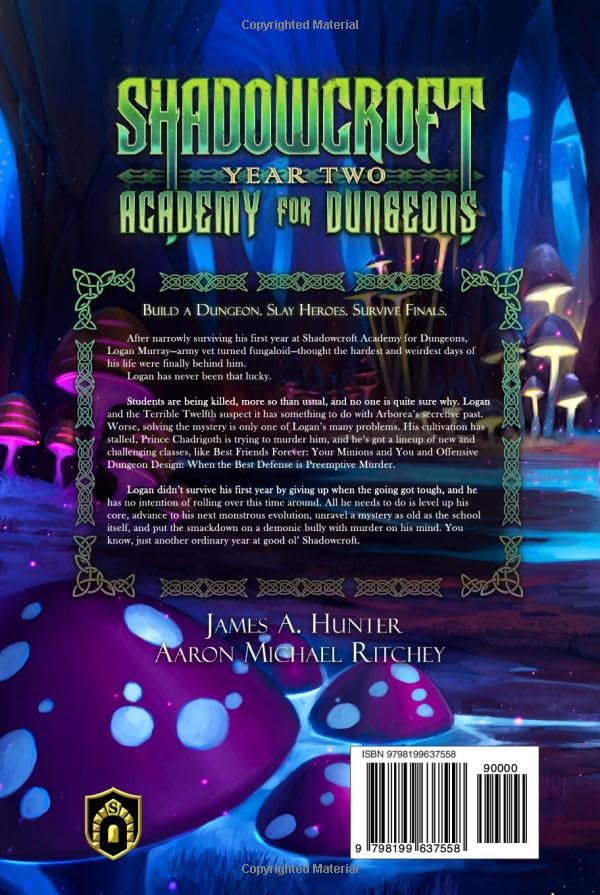
At the heart of the reader reception is the deep-seated camaraderie among the protagonist and his eclectic allies in the Terrible Twelfth. Fans emphasize that the emotional core works because these characters genuinely care for one another and show tangible growth as the series continues. Emotional beats—including the bittersweet weight of character losses that are not simply brushed aside—resonate deeply with followers of the series.
However, not every stylistic choice pleases all readers equally. A notable critique touches on familiar tropes, with some objecting to a perceived reliance on the power-of-friendship motif reminiscent of classic anime and light novels. Additionally, a minority of readers express frustration with abrupt character shifts, such as sudden personality flips in antagonists that felt rushed rather than earned over time.
- Strong emotional bonds and mutual growth within the Terrible Twelfth squad.
- Thoughtful handling of dramatic moments and memorable character stakes.
- Minor reader pushback regarding sudden villainous personality shifts and well-worn friendship tropes.
Navigating the Sophomore Trade-Offs
Returning to a progressive series like Shadowcroft Academy for Dungeons means accepting a specific structural shift. Where the opening installment had to spend considerable page-count establishing the mechanics of a fungaloid protagonist and the quirky institutional framework, Year Two assumes you are already on board with the premise. Readers who loved the initial world-building will find plenty of new curriculum details to enjoy, but those hoping for a complete reinvention of the formula may feel the narrative settling into a comfortable, predictable routine.
The humor and the escalating dangers pull in slightly different directions at times. James A. Hunter and Aaron Michael Ritchey lean heavily into puns, tongue-in-cheek classes like Offensive Dungeon Design, and lighthearted minion management. Yet the plot simultaneously introduces a more pressing mortality rate among students and a secretive institutional past. If you prefer your progression fantasy lean and fiercely intense, the comedic interruptions might occasionally stall the momentum of the mystery.
The Fungal Phenomenon: Humor, Puns, and Absurdist Tone
Readers frequently highlight the unabashedly bizarre premise of following a mushroom-man protagonist as the driving force behind the book's unique charm. Rather than taking its dungeon-core mechanics too seriously, the narrative leans heavily into relentless pun-making, campy dialogue, and an overarching sense of irreverence. Several supplied reviews describe how the main character literally grows on the audience over time, mirroring his fungal biology with persistent, endearing humor.
This lighthearted absurdity blends surprisingly well with darker fantasy elements. Commenters note that the authors manage a cavalier mix of cute, quirky comedy and actual horror elements without fracturing the tone. While some purists might roll their eyes at the endless mushroom puns and eccentric side characters, most find that the sheer commitment to the bit makes the comedic style land successfully across both the Kindle and audiobook editions.
- Relentless mushroom-themed puns and wordplay embedded throughout dialogue and narration.
- An effective tonal balancing act combining cozy humor with genuine dungeon-horror elements.
- Character dynamics that turn a potentially ridiculous concept into an endearing, high-heart journey.
Pacing, Progression, and the Page-Turning Momentum
When it comes to the reading rhythm, multiple reviews point out that this installment moves considerably faster than its predecessor. Readers report devouring the book in marathon reading sessions, driven by a compelling central mystery and steady cultivation-style progression. The narrative manages to balance the daily grind of academy life with high-stakes action, keeping audiences glued to the page.
The ending momentum receives widespread praise for delivering a satisfying payoff while still leaving fans eager for the next volume. Rather than stumbling into a middle-book slump, the progression of core levels, monster evolution, and school-year survival keeps the narrative engine humming smoothly from start to finish.
- Faster narrative pacing compared to the opening book in the series.
- A compelling central mystery that pushes the overarching plot forward.
- Highly satisfying conclusion momentum that maintains enthusiasm for future sequels.
Pros and Cons
✓ Pros
- An unusually clever and irreverent spin on standard dungeon-core and cultivation tropes.
- Fast-paced progression driven by an engaging central mystery and rapid page-turning momentum.
- Endearing protagonist and strong companion dynamics that make the absurdity work.
✕ Cons
- Some recurring grammatical and spelling imperfections typical of the indie publishing space.
- A few rushed character pivots and reliance on familiar anime-style friendship tropes.
- Occasional lulls in active dungeon runs in favor of extended academic or mundane tangents.
Frequently Asked Questions
Can I enjoy this book if I haven't read the first volume in the series?
Readers strongly recommend starting with the first book to fully appreciate the characters, ongoing relationships, and baseline mechanics before diving into this sophomore installment.
How prominent are editing or mechanical errors in the text?
Some readers note that minor grammar and spelling mishaps are present, though they are generally considered easy to overlook given the fun and fast-moving story.
Final Verdict
Shadowcroft Academy For Dungeons: Year Two has a clear case for readers whose tastes line up with its strongest supported qualities. Two strengths stand out. One strength is its an unusually clever and irreverent spin on standard dungeon-core and cultivation tropes. Another strength is its fast-paced progression driven by an engaging central mystery and rapid page-turning momentum. The main reason to hesitate is some recurring grammatical and spelling imperfections typical of the indie publishing space. If that trade-off conflicts with your reading preferences, this is an easy title to skip; otherwise, the review evidence supports keeping it on your reading list.
See current book details
Check the current formats and listing details for Shadowcroft Academy For Dungeons: Year Two on Amazon.
View on AmazonAffiliate link. Product details may change.