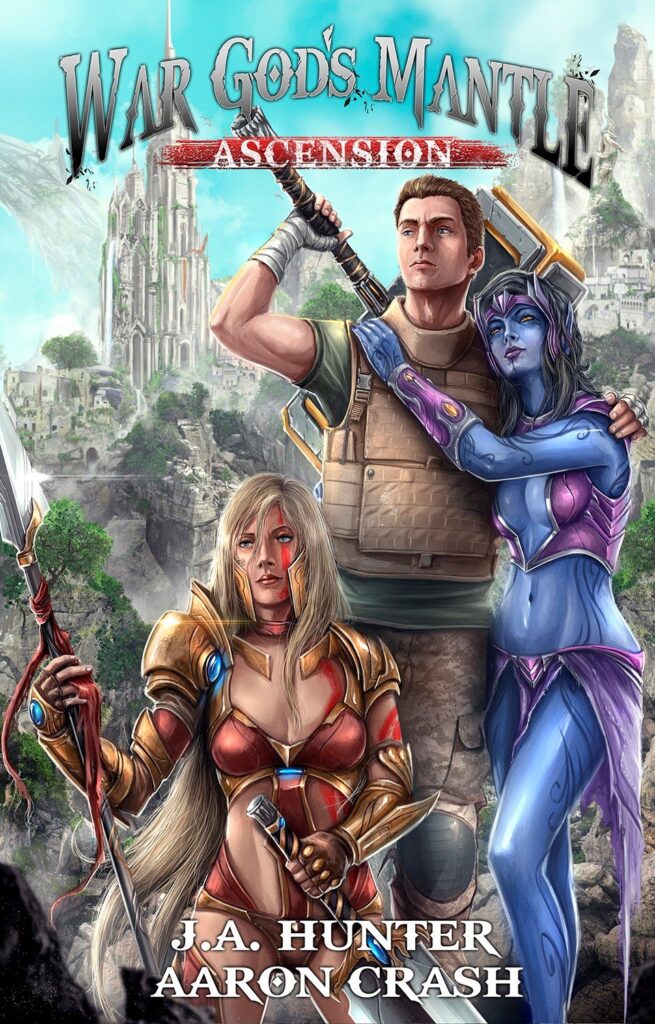
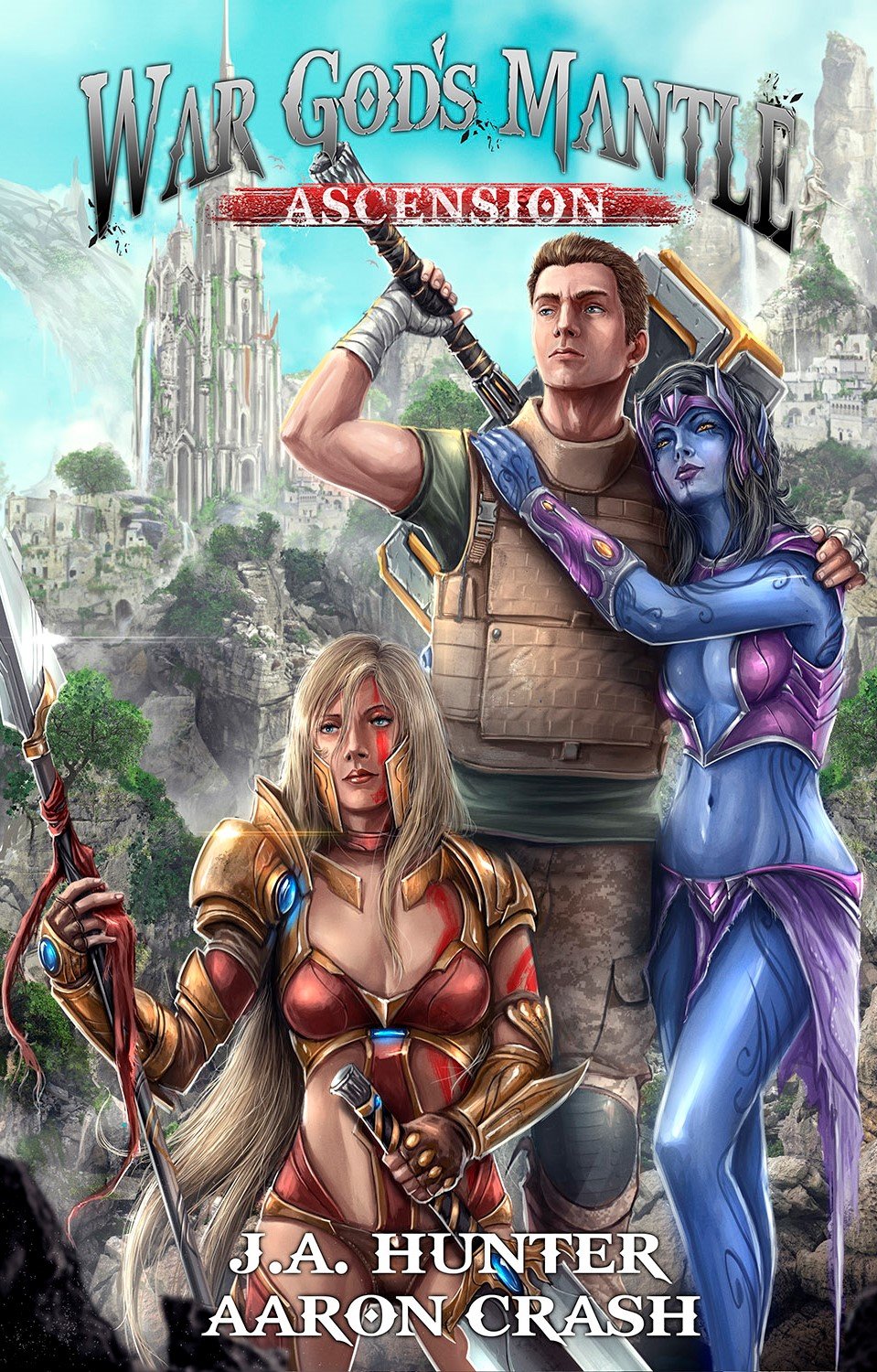
War God's Mantle: Ascension launches a LitRPG adventure by thrusting a modern military professional straight into ancient myth. The story follows Marine Corps pilot Jacob Merely, whose routine mission off the coast of Cyprus ends in a catastrophic…
Quick Verdict
War God's Mantle: Ascension delivers a distinct mix of tactical survival and mythological progression that satisfies fans of the genre looking for an accessible entry point into LitRPG mechanics. By grounding its high-concept divine conflict in the practical survival efforts of a downed pilot, it carves out an entertaining niche within the broader landscape of progression fantasy. While the reliance on game elements requires a specific taste, the pacing, character stakes, and fusion of ancient lore make it a worthwhile addition for readers seeking a structured adventure with clear progression stakes.
Disclosure: As an Amazon Associate, LiaGuide earns from qualifying purchases. Affiliate relationships do not determine our editorial conclusions.
Premise and Setup
Surviving against the odds, he washes ashore on a desolate, forgotten island that hides far more than sand and ruins.
Instead of finding a deserted refuge, Jacob stumbles into the remnants of a dead city and an eternal conflict between cosmic forces. The land once belonged to the Amazons—daughters of Ares, the God of War—who served as the ultimate barrier between humanity and the horrors of the Great Below. His unexpected arrival shatters the ancient seals, waking long-slumbering deities and unleashing subterranean threats.
Armed with a divine artifact holding the power of Ares, Jacob faces a dual survival challenge. He must rebuild the Amazonian defenders, upgrade his stronghold, and fend off an impending invasion from Hades before the world of men falls to eternal darkness.
Reading Experience and Mechanics
The supporting evidence points to a fast-paced narrative that blends traditional fantasy progression with explicit gaming structures. Readers stepping into this volume will encounter classic LitRPG elements, including systematic character growth, resource management, and strategic base-building. Blurb details and reviewer feedback highlight an emphasis on crafting mechanics and tactical fortification alongside direct combat encounters.
Rather than relying purely on atmospheric storytelling, the book incorporates structured progression markers that appeal to fans of numeric character advancement and tangible skill acquisition. Reviewer commentary specifically singles out the integration of game rules into the mythical setting, noting that the world functions under clear systemic constraints that dictate how the protagonist builds his defenses.
Readers diving into War God's Mantle will find a distinct blend of military survival and classic LitRPG progression mechanics. The narrative kicks off with a high-stakes modern military crash off the coast of Cyprus before dropping protagonist Jacob Merely into an isolated island setting rich with ancient ruins. Rather than keeping the system mechanics purely abstract, the story intertwines stat progression, crafting loops, and territorial defense directly into Jacob's survival imperatives.
Feedback patterns show that enthusiasts of base-building and systematic progression will appreciate how the mechanics drive the plot forward. The inclusion of divine artifacts—specifically a sacred gem holding Ares' power—anchors the leveling elements to a tangible narrative purpose. Instead of feeling tacked on, the system supports the protagonist's strategic expansion as he works to reconstruct the Amazonian defenders and lock down the dead city against impending threats from the Great Below.
Readers repeatedly point out that the novel operates as an energetic blend of traditional LitRPG leveling, real-time strategy (RTS) resource management, and military operations. Several supplied reviews describe the protagonist's growth through detailed skill trees and status graphics that grant a distinct tabletop or video game feel. The progression loop—starting from level one and gradually grinding toward higher capabilities—earns praise for giving the protagonist tangible milestones to achieve.
At the same time, a recurring criticism from analytical readers concerns occasional inconsistencies in the crunch and resource tracking. While spawning an Amazonian general relies on a tightly defined cost of divine essence points, other major actions, such as summoning herds of livestock or growing vast fields of crops, draw on vaguely explained amounts of crystals and energy. Furthermore, several reviews note that the narrative misses opportunities to display exact experience point gains from monster kills or assign specific levels to opposing forces, making it harder to gauge relative difficulty compared to standard spreadsheet-heavy progression titles.
- Detailed skill trees and graphic status menus provide strong visual progression.
- RTS elements like building upgrades and unit generation offer welcome pacing breaks.
- Vague resource costs for non-combat summoning occasionally stretch internal logic.
Reader Fit and Audience Signals
This novel suits readers who enjoy cross-genre mashups where modern military backgrounds collide with classical mythology and structured game mechanics. Endorsements from fellow authors like Harmon Cooper point toward a high-action journey that satisfies enthusiasts of tactical progression and base-building fantasy.
Conversely, readers who prefer strictly low-magic historical fiction, or those who dislike explicit stat-tracking and gaming interfaces injected into narrative prose, may want to skip this title. It is an ideal pick for fans looking for an accessible entry point into LitRPG, as evidenced by readers who normally steer clear of gamer-centric fiction but still found plenty to enjoy in the character dynamics and world-building.
Readers who primarily enjoy traditional military fiction or straight urban fantasy might find the sudden pivot into stats, menus, and divine progression mechanics jarring if they approach the book purely for its modern survival premise. The narrative balances heavy tactical elements with video-game world-building, which creates a specific rhythm that rewards fans of progression loops but can slow down conventional pacing for those looking for a fast-paced thriller.
Conversely, readers who normally skip pure gamer fiction may find an unexpected entry point here, as the protagonist's grounded background as a Marine pilot anchors the fantastical elements. Review feedback highlights that even those less familiar with stat-heavy subgenres can enjoy the story if they appreciate character-driven rebuilding arcs and classic mythological struggles.
- Best for readers who enjoy base-building, crafting systems, and Greek mythology blended with modern tactical setups.
- Skip if you dislike stat sheets, inventory management, or progression-fantasy tropes embedded in adventure narratives.
Character Dynamics and Tone
The character ecosystem blends modern tactical background with mythical archetypes. Jacob's identity as a Marine Corps pilot shapes his pragmatic, mission-oriented approach to the impossible scenario he inherits. Reader reception highlights characters like Asteria as standout elements, drawing favorable comparisons to established progression-fantasy dynamics while maintaining a distinct flavor rooted in ancient Greek mythology and divine politics.
Expect a high-energy tone that leans heavily into serious action balanced by steady base-building milestones. While the premise involves world-ending stakes and a clash between Hades' army of the damned and the remnants of humanity, the pacing keeps the focus tight on tactical decisions, fortifications, and interpersonal dynamics among the newly awakened defenders. It fits well for readers who enjoy fast-moving genre fiction where modern competence meets mythical scale.
The interaction between the stranded marine and his newly created Amazonian warriors forms a central pillar of the narrative. Multiple reviews highlight the distinct personalities given to the individual fighters, preventing them from blending into a nameless crowd. Readers who enjoy companion-heavy progression fantasies find themselves drawn to the loyalty and camaraderie that develop between the protagonist and his generals.
From a structural standpoint, several readers observe strong foundational elements pointing toward harem-lit territory. While romantic and physical interactions remain relatively restrained—with intimate scenes frequently fading to black quickly—the surrounding subtext and character dynamics clearly signal potential future relationship developments. Characters like Asteria draw frequent comparisons to iconic companions from similar genre works, leaving fans eager to see which relationships take priority in subsequent installments.
- Amazonian generals display distinct individual personalities and combat roles.
- Light romantic subtext and companion dynamics point toward future harem development.
- Companionship adds emotional weight to high-stakes military engagements.
Pacing, Opening Hurdles, and Climax Momentum
Regarding narrative pacing, readers generally describe a fast, relentless momentum once the initial setup concludes, though opinions on the very beginning vary. A recurring observation notes that the opening fourteen percent feels slightly rough and heavily focused on military action before the core LitRPG mechanics and island survival elements take center stage.
Once the core premise establishes itself, the story transitions into a rapid cycle of combat, base development, and tactical planning. Reviewers frequently praise the final stretch of the book, characterizing the closing battles as over-the-top, cinematic spectacles reminiscent of classic action games. Without spoiling specific plot outcomes, readers note that the narrative successfully maintains an underdog tension right up to the final page, securing high anticipation for the next volume.
- The opening chapters require patience before the core mechanics kick in.
- Mid-book pacing rolls smoothly between intense battles and strategic pauses.
- The final fifteen percent delivers high-octane action and strong cliffhanger momentum.
Tone Disagreements, Modern Slang, and Immersion Trade-offs
One of the most prominent reader disagreements centers on the book's dialogue and pop culture saturation. While some readers embrace the lighthearted, action-hero tone complete with retro references, Mountain Dew jokes, and fast-paced banter, others find these elements immersion-breaking.
A detailed critique shared by several reviewers targets the dialogue assigned to both the modern military protagonist and the ancient Amazonian warriors. The heavy reliance on dated youth slang and casual modern phrasing creates a noticeable thematic clash for readers seeking a more grounded mythic or serious military atmosphere. For some, these comedic and colloquial choices transform an otherwise gritty premise into an over-the-top power fantasy, dividing readers who prefer strict atmospheric consistency from those who enjoy the tongue-in-cheek humor.
- Pop culture references and snack nods divide opinion on comedic tone.
- Outdated slang in dialogue pulls certain readers out of the immersion.
- Action-hero one-liners suit readers looking for a casual, breezy power fantasy.
Pros and Cons
✓ Pros
- Seamlessly blends Greek mythology with LitRPG progression and RTS base building.
- Fast-paced combat scenes deliver high-energy, cinematic action.
- Distinct personalities among the Amazonian warriors keep companion interactions engaging.
✕ Cons
- Resource management and stat tracking occasionally lack numerical consistency.
- Heavy use of modern slang and pop-culture dialogue breaks immersion for some readers.
Frequently Asked Questions
Is this book part of a completed series or a cliffhanger?
Readers report that the book concludes with strong momentum and an underdog setup that points directly to a sequel, though it resolves enough immediate tension to satisfy an initial read.
How heavy are the harem elements in this installment?
Reviewers note that while the presence of numerous female warriors establishes a strong foundation for future harem developments, actual intimate scenes in this first volume are minimal and fade to black quickly.
Final Verdict
War God's Mantle: Ascension has a clear case for readers whose tastes line up with its strongest supported qualities. Two strengths stand out. One strength is that it seamlessly blends Greek mythology with LitRPG progression and RTS base building. Another strength is that fast-paced combat scenes deliver high-energy, cinematic action. The main drawback is that resource management and stat tracking occasionally lack numerical consistency. If that trade-off conflicts with your reading preferences, this is an easy title to skip; otherwise, the review evidence supports keeping it on your reading list.
See current book details
Check the current formats and listing details for War God's Mantle: Ascension: A LitRPG Adventure on Amazon.
View on AmazonAffiliate link. Product details may change.