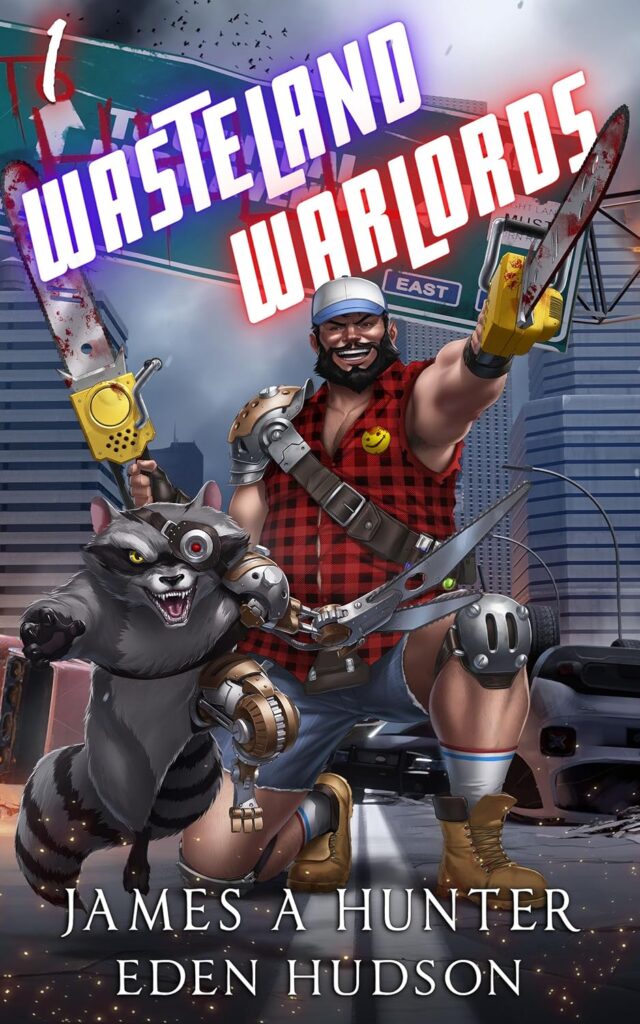
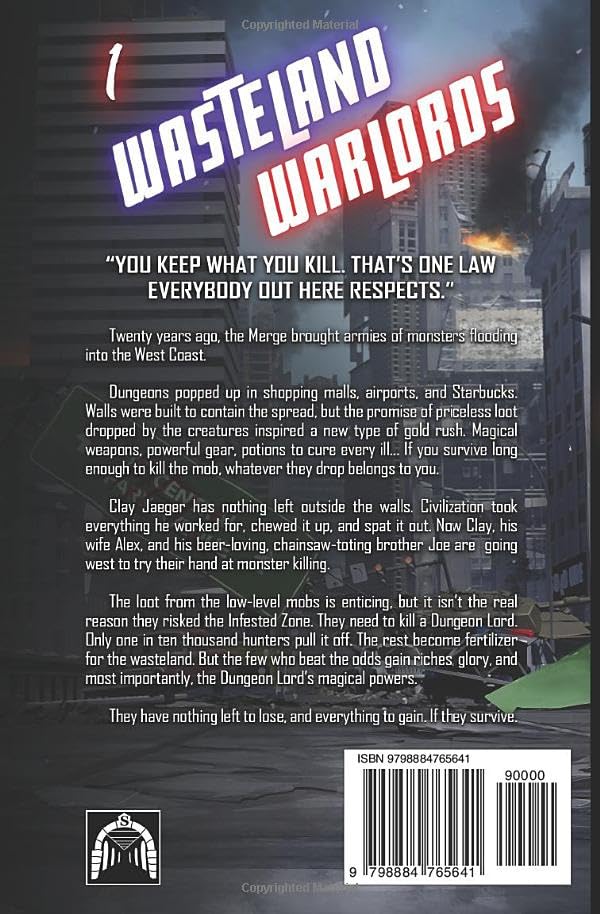
Two decades after an event known as the Merge flooded the West Coast with monsters, civilization has retreated behind concrete barriers while dungeons sprouted inside everyday landmarks like shopping malls and airports. Within this fractured landscape, survival follows…
Quick Verdict
Wasteland Warlords 1 delivers an energetic, frictionless entry point into a monster-infested American West where surviving the wasteland means taking everything the dungeon drops. Backed by engaging characters like Lumberjack Joe and a brisk, entertaining plot, it satisfies readers hunting for quick progression fantasy fun without unnecessary narrative drag. It is a straightforward, highly enjoyable ride for anyone craving post-apocalyptic system mechanics and high-stakes dungeon raids, earning an easy recommendation for fans of the wider Rogue Dungeon universe.
Disclosure: As an Amazon Associate, LiaGuide earns from qualifying purchases. Affiliate relationships do not determine our editorial conclusions.
Opening and Premise
Defeated creatures drop magical weapons, potent potions, and valuable gear, sparking a high-stakes gold rush for those bold enough to venture into the Infested Zone.
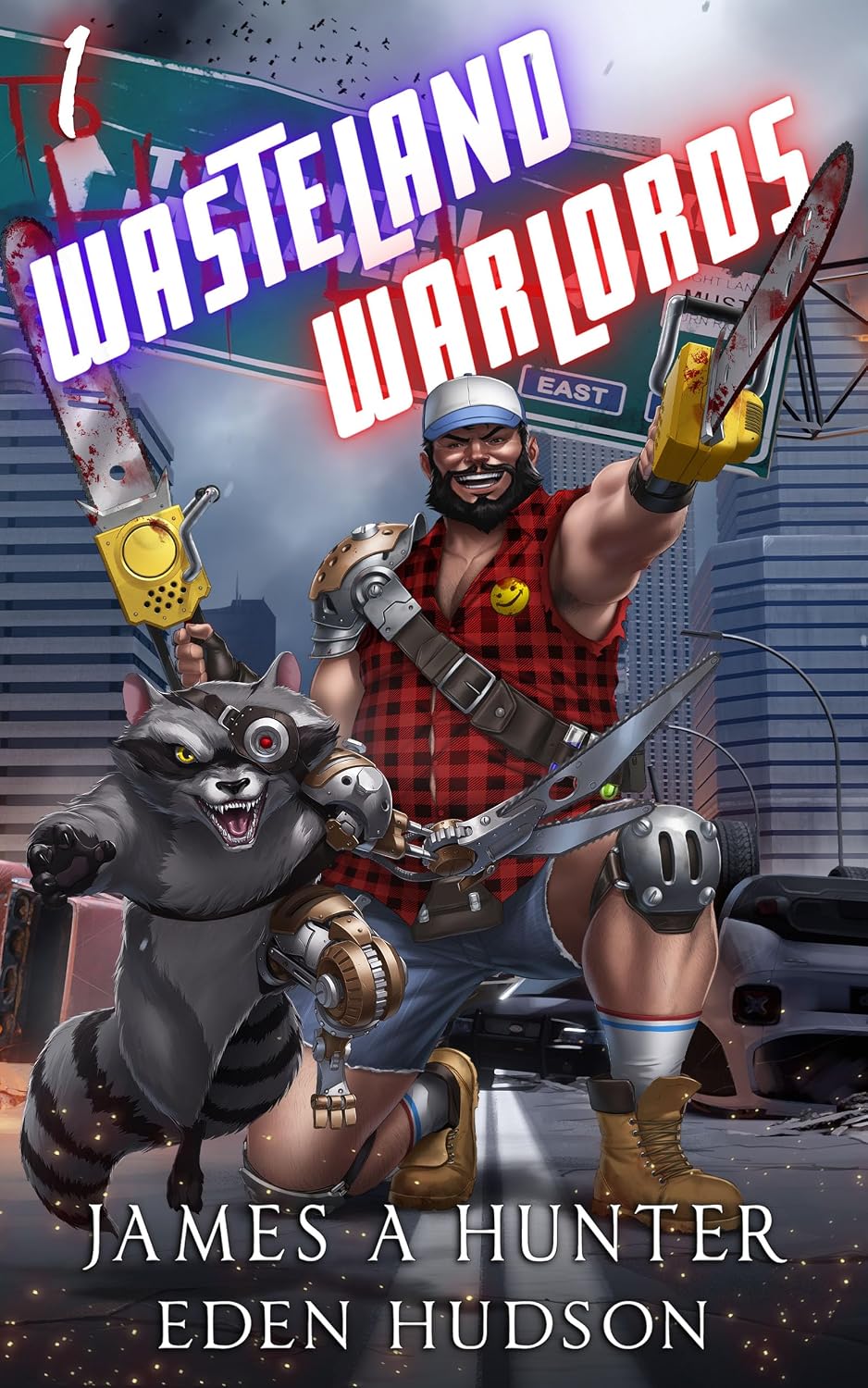
The story centers on Clay Jaeger, his wife Alex, and his chainsaw-toting, beer-loving brother Joe. Stripped of everything by a hostile society, the trio heads west not merely for low-level mob loot, but to hunt a Dungeon Lord—a high-risk gamble where only a tiny fraction of hunters survive to claim the vanquished entity's extraordinary magical powers.
Reading Experience and Tone
Readers stepping into this installment can expect a brisk, action-oriented pace tailored for fans of game-lit mechanics and post-apocalyptic world-building. The narrative balances gritty survival stakes with eccentric character dynamics, notably through supporting figures like Lumberjack Joe, who injects a distinct brand of lighthearted, chaotic energy into the grim surroundings.
Rather than bogging down in dry statistical tables typical of the genre, the progression system is tightly wound into the physical perils of the wasteland. The writing relies heavily on the momentum of constant encounters, high-fatality odds, and the tangible rewards of monster-slaying to maintain tension from chapter to chapter.
A recurring topic in reader feedback centers on the book's compact length and swift pacing. Many reviews characterize the novel as a quick, highly concentrated read that wastes little time on narrative fluff, driving straight into the action and maintaining steady momentum from chapter to chapter. For readers who prefer fast-moving plots where events unfold rapidly, this brisk velocity is seen as a major asset that keeps engagement high.
However, this brevity comes with notable trade-offs depending on reader preference. While several fans note they would gladly consume a story three times as long, others mention a slight adjustment period at the outset. One detailed review points out that the book features a somewhat slow-ish start before fully locking in its hooks, though it ultimately rewards patience by pulling readers deep into its expanding world by the final chapters.
- Fast-moving plot with minimal filler or narrative drag
- Shorter page count leaves some readers wanting an expanded narrative
- Initial startup phase requires a brief adjustment period before momentum takes over
Reader Fit and Decision Guide
This opening volume suits readers who enjoy fast-moving progression fantasy, crunchy loot acquisition systems, and rugged survival tropes set against modern ruins. Those who appreciate family-driven team dynamics mixed with frantic combat loops will find an accessible entry point into the wider Rogue Dungeon universe.
Conversely, readers looking for slow-burn political intrigue, meticulous world-building explanations, or entirely solemn post-apocalyptic drama may want to look elsewhere. It is an ideal pick for a quick, entertaining weekend read, provided you enjoy high-octane monster hunting over quiet narrative exposition.
Every post-apocalyptic narrative built on a GameLit framework must strike a delicate balance between crunch-heavy mechanical progression and high-stakes survival drama. In Wasteland Warlords 1, readers encounter a brisk, highly accessible narrative velocity that favors fast entertainment over sprawling world-building exposition. That forward momentum makes it a breezy experience, but it also leaves certain corners of the post-Merge society underexplored for those who prefer exhaustive lore.
Character dynamics heavily lean into ensemble charm rather than deep psychological grit. The inclusion of figures like Lumberjack Joe introduces strong comedic and domestic warmth amid the wasteland despair, which keeps the tone buoyant even when the stakes escalate. Readers looking for a relentlessly bleak, survival-horror atmosphere might find that this lighthearted, action-forward camaraderie softens the sense of genuine peril.
Fans of fast-moving progression fantasy, system apocalypse settings, and character groups with distinct sibling banter will find an immediately satisfying ride here. It suits readers who want high-concept monster hunting without dense structural homework. Those seeking the audiobook format also have a polished option available through Travis Baldree's narration, expanding its appeal for listeners on the move.
Conversely, if your preference leans toward slow-burn epic fantasy with multi-layered political intrigue or meticulous hard Sci-Fi world-building, this setup may feel overly direct. Readers allergic to game stats, loot drops, and system notifications should steer clear of this genre entirely and explore traditional post-apocalyptic fiction instead.
Pacing, Progression, and System Mechanics
Wasteland Warlords 1 drops readers directly into a high-stakes, system-governed environment where every encounter alters character progression. The narrative moves at a brisk pace, balancing fast action sequences against the methodical crunch of LitRPG mechanics. Readers familiar with GameLit tropes will recognize the staple progression loops—clearing zones, collecting monster drops, and optimizing builds—while newcomers find an accessible entry point that avoids getting bogged down in overly dense stat sheets.
The underlying rule set revolves around high-risk incentives: participants keep what they kill, turning routine skirmishes into critical resource management decisions. This survivalist economy drives the momentum forward, ensuring that character growth feels earned rather than hand-delivered. While the progression curve accelerates satisfyingly as the protagonists push deeper into the wasteland, those who prefer slow-burn political intrigue or exhaustive world-building histories may find the focus heavily skewed toward immediate combat rewards and system alerts.
Character Dynamics and Tone
The emotional core anchors itself in a tight-knit family dynamic that grounds the otherwise chaotic post-apocalyptic setting. Clay and Alex Jaeger bring a weathered, pragmatic determination to their mission, while Lumberjack Joe injects much-needed levity through his chainsaw-wielding antics and laid-back attitude. This interplay prevents the narrative from sliding into unrelenting bleakness, maintaining a tone that leans into entertaining pulp adventure rather than grimdark despair.
Reader response highlights this tonal balance as a primary strength, noting that the humor feels natural to the characters rather than forced for comedic relief. At the same time, readers seeking deeply dramatic character arcs or dark psychological exploration might view the lighthearted camaraderie and over-the-top action as somewhat breezy. It is a story built for pure entertainment value, making it an ideal match for fans seeking high-energy escapism with a distinct personality.
Readers repeatedly point to the core character group as a primary anchor that elevates the narrative beyond standard post-apocalyptic fare. Several supplied reviews describe the character dynamics as both relatable and deeply endearing, making the high-stakes survival journey feel grounded in genuine human connection rather than mere tactical maneuvering. The inclusion of distinct personality archetypes—most notably a beer-loving, chainsaw-toting brother figure who brings a distinct fun-uncle energy to the group—infuses the dangerous landscape with much-needed warmth and levity.
At the same time, this relational core helps bridge the gap for readers who might otherwise feel alienated by harsh dystopian settings. The mutual trust and shared history among the principal cast give emotional weight to their desperate push into the infested zones. Even as external threats mount and system pressures tighten, the interpersonal banter and steadfast loyalty among the companions remain a consistent highlight across multiple reader accounts.
- Lumberjack Joe's 'fun uncle' energy praised for lightening dark moments
- Main cast relationships feel authentic and grounded despite the wild premise
- Chemistry among companions provides emotional anchor for the high-stakes journey
Humor, Tone, and Content Disagreements
The blending of grim post-apocalyptic survival with lighthearted humor and system mechanics receives a generally favorable reception, though individual reactions to tone vary. Several readers highlight the consistent infusion of comedy, particularly through eccentric character behavior and situational absurdity, as a key reason the story remains fun rather than bleak.
On the other hand, tonal and content boundaries draw mixed reactions regarding broader audience suitability. One thoughtful review notes that while the world-building and character arcs eventually won them over, strong language serves as a barrier that prevents unrestricted recommendations to friends or family members. This divergence illustrates how individual comfort thresholds regarding dialogue style can influence overall satisfaction.
- Humorous elements successfully balance the bleak post-apocalyptic backdrop
- Profanity and language content lead some readers to withhold casual recommendations
- Tone strikes a middle ground between gritty survival and entertaining romp
System Integration and Genre Accessibility
For readers exploring the LitRPG and game-lit genres for the first time, this title frequently acts as an unexpectedly welcoming entry point. Multiple accounts from individuals who typically shy away from rule-heavy progression fantasy indicate that the story's approach to mechanics is accessible, avoiding overly dense statistical breakdowns while still honoring core RPG tropes.
Readers familiar with broader game-lit universes also find plenty to appreciate, noting seamless connections to wider fictional worlds without requiring mandatory prior reading. Whether approached as a standalone plunge into wasteland survival or as an extension of a larger established mythos, the system elements function smoothly to frame the action without bogging down the narrative flow.
- Serves as an effective gateway book for readers new to LitRPG
- Mechanics are integrated smoothly without overwhelming info-dumps
- Connects comfortably with existing series universes without feeling exclusionary
Reader Reception Divergence and Engagement Thresholds
While enthusiasm runs high among genre fans, reactions are not universally uniform. A minority group of readers reports a more subdued experience, noting that despite solid foundational elements, the narrative occasionally struggles to maintain sustained attention over the long haul. One mid-journey dropout highlights that personal taste in pacing and voice can cause the book to simply not click for every reader.
This divergence underscores the importance of reader expectations. Those looking for sprawling, epic-scale progression with endless tactical depth may find the compact scope too streamlined, whereas readers seeking an undemanding, action-forward excursion find precisely what they are looking for.
- Mixed engagement levels among readers seeking heavier narrative complexity
- Personal taste in pacing heavily dictates whether the middle stretch holds attention
- Clear division between readers wanting quick entertainment versus deep epic sagas
Audiobook Narration and Format-Specific Observations
Format choices appear to influence how the story's energy is perceived, with audiobook listeners pointing out distinct atmospheric strengths. The vocal delivery helps bring the colorful cast to life, amplifying the comedic timing of the dialogue and the visceral impact of the action sequences.
Listeners note that the brisk writing style translates exceptionally well to audio format, making it an easy recommendation for quick listening sessions during commutes or chores. The interplay between character dialogue and fast-paced set pieces benefits noticeably from a dynamic performance.
- Audiobook format enhances comedic timing and character voice work
- Brisk pacing suits listeners seeking engaging, bite-sized episodic momentum
- Action sequences translate dynamically to spoken performance
Pros and Cons
✓ Pros
- Engaging, fast-paced narrative that avoids unnecessary filler
- Standout companion dynamics led by Lumberjack Joe's entertaining presence
- Welcoming entry point for readers new to LitRPG and post-apocalyptic settings
✕ Cons
- Compact length leaves some readers wishing for a more expansive story
- Contains strong language that may limit suitability for certain audiences
- Opening chapters experience a slightly slower ramp-up before fully engaging
Frequently Asked Questions
Do I need to read the earlier Rogue Dungeon books before starting this series?
Readers note that while the book shares a broader fictional universe with Rogue Dungeon, it can be enjoyed perfectly well on its own without mandatory prior reading.
Is this book suitable for someone completely new to LitRPG?
Yes, multiple reviews from readers new to the genre indicate that the story is accessible, fun, and not overly bogged down by complex statistical crunch.
Final Verdict
Wasteland Warlords 1: A Post-Apocalyptic LitRPG Adventure has a clear case for readers whose tastes line up with its strongest supported qualities. Two strengths stand out. One strength is its engaging, fast-paced narrative that avoids unnecessary filler. Another strength is its standout companion dynamics led by Lumberjack Joe's entertaining presence. The main reason to hesitate is compact length leaves some readers wishing for a more expansive story. If that trade-off conflicts with your reading preferences, this is an easy title to skip; otherwise, the review evidence supports keeping it on your reading list.
See current book details
Check the current formats and listing details for Wasteland Warlords 1: A Post-Apocalyptic LitRPG Adventure on Amazon.
View on AmazonAffiliate link. Product details may change.