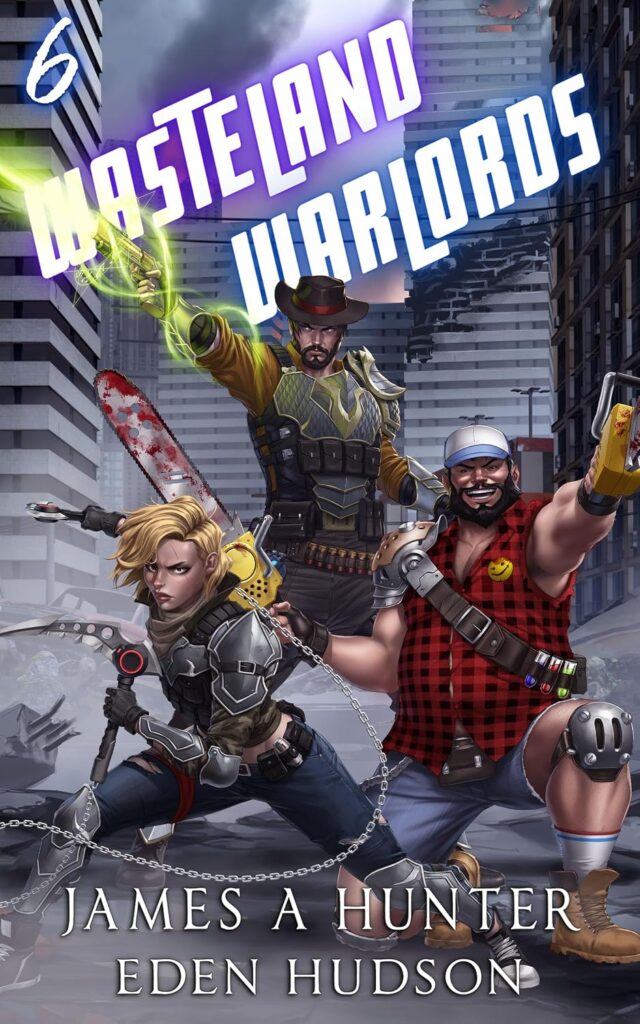
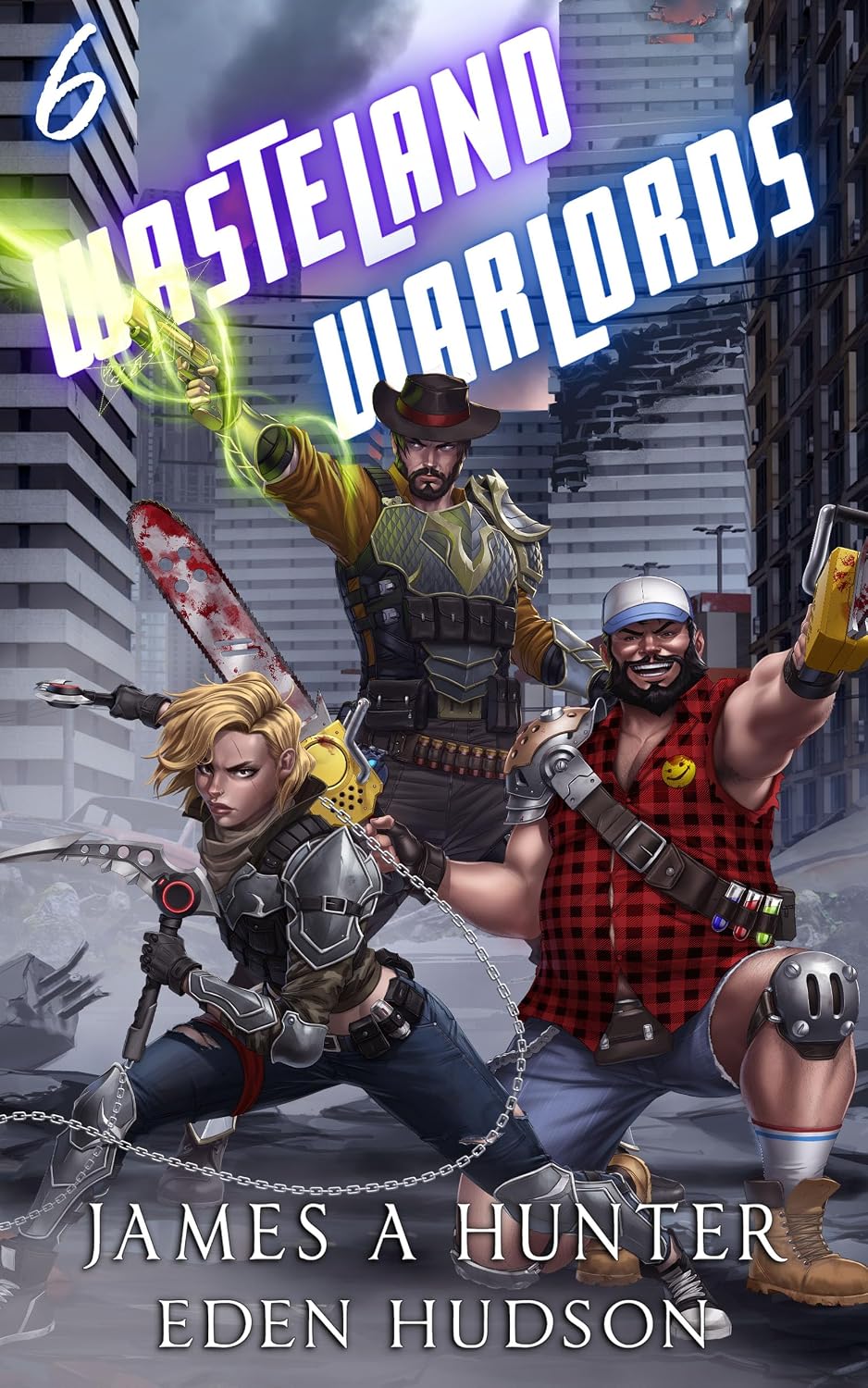
Clay Jaeger and his family face their most precarious situation yet in Wasteland Warlords 6. Having survived waves of hostile mobs, relentless evil forces, and dangerous Dungeon Lords across the IZ, the protagonists now confront an entire civilization…
Quick Verdict
Wasteland Warlords 6 successfully sticks the landing for a fan-favorite cast, balancing high-stakes faction warfare with the familiar progression beats that defined the journey. It honors the core dynamics of the Jaeger family while giving hateable antagonists the appropriate narrative comeuppance. For dedicated followers of the saga, it provides a fast-paced, emotionally rewarding conclusion that justifies the time invested across the series.
Disclosure: As an Amazon Associate, LiaGuide earns from qualifying purchases. Affiliate relationships do not determine our editorial conclusions.
Premise and Stakes in the Final Chapter
Accused of heinous crimes they did not commit, Clay, Alex, and Joe must mobilize every remaining resource in the wasteland. Their counter-strategy involves seizing control of a dungeon and turning its mechanics directly against their pursuers.
The narrative shifts the core conflict from personal survival to collective liberation. The freedom of every wastelander and mob in the IZ hangs in the balance, transforming a localized feud into a high-stakes series climax.
Reading Experience and Pacing Signals
Audience feedback indicates that this final installment maintains a brisk, high-momentum pace. Readers migrating from earlier volumes note that the narrative structure encourages rapid progression, keeping attention fixed on unfolding plot developments and new ability unlocks.
The emotional weight leans heavily into long-term attachment to the core cast. Familiar dynamics involving characters like Lumberjack Joe and Chonk provide consistent anchor points amidst the escalating tactical conflicts and systemic showdowns.
While the plot deals with systemic betrayal and sweeping opposition, the tone retains the signature accessibility and entertainment value characteristic of the series, ensuring that the conclusion feels earned rather than overly grim.
Readers looking for a brisk, high-momentum narrative will find that this installment maintains the rapid pace characteristic of the series. Feedback patterns highlight an urgent, page-turning rhythm driven by escalating stakes, as Clay, Alex, and Joe confront an entire civilization turned against them.
Beyond plot velocity, the progression mechanics continue to deliver the satisfying power escalation and ability unlocks that keep fans engaged. The narrative wastes little time on narrative bloat, focusing instead on rapid-fire sequences where the protagonists must creatively weaponize their environment and seize control of a dungeon.
Those who prefer slow-burn worldbuilding or lingering domestic interludes may find the relentless momentum leaves little room to breathe, but it successfully satisfies anyone eager for a swift, high-stakes conclusion.
A recurring point of praise among the readership is the breakneck pacing and relentless action that defines the finale. Several supplied reviews describe blazing through the book in a single sitting, driven by an urgent curiosity about how the conflicts resolve and what new abilities the protagonists will unlock.
However, this rapid progression creates a notable division among the audience regarding endgame payoff. While most find the brisk cadence thrilling and efficient, a minority dissenting review argues that the story moves far too quickly. This critical perspective points out that after multiple volumes dedicated to building up high-tier levels and abilities, the protagonist barely gets to utilize those hard-won powers before the series wraps up, leaving certain progression-focused fans wanting a more extended showcase of endgame might.
- Fast-paced narrative structure keeps pages turning effortlessly for action-oriented fans.
- High-velocity progression satisfies readers looking for quick, high-stakes thrills.
- Critical readers feel high-level abilities were underutilized in the final stretch.
- Brisk plotting occasionally sacrifices breathing room for character or mechanic expansion.
Reader Fit and Series Continuity
This volume is written explicitly for those who have followed Clay Jaeger's journey from the beginning. Attempting to start the sequence here would sever the contextual weight of the character arcs and the established rules of the IZ.
For dedicated followers, the book functions as a definitive closer. Reader responses highlight a sense of emotional closure, successfully balancing high-stakes confrontation with satisfying resolutions for core characters.
Those who appreciate fast-moving progression fantasy mixed with post-apocalyptic survival tropes will find this finale aligns closely with the conventions established in the first five books. Newcomers, however, should begin with the opening volume rather than jumping straight into the conclusion.
Anyone who has stuck with Clay Jaeger through the first five books faces an obvious mandate: this volume is built entirely to resolve those established story arcs. The emotional satisfaction reported by dedicated followers confirms that skipping the finale is not an option if you want closure on the IZ factions and dungeon mechanics. It functions as a classic series-finisher designed to reward long-term investment.
Conversely, casual readers dropping into the series for the first time will find little purchase here. Starting with book six plunges you directly into a complex web of fabricated crimes, high-level abilities, and deep-seated roster dynamics that require extensive prior context. If you prefer standalone post-apocalyptic adventures, look toward independent single-volume entries rather than jumping straight into a late-stage franchise climax.
As a definitive series conclusion, the book sparks reflective commentary on how well it sticks the landing. The prevailing sentiment among long-term fans is overwhelmingly positive; many express a bittersweet sadness that the Jaeger family saga is concluding, while simultaneously praising the narrative for knowing when to stop rather than overstaying its welcome.
Reviewers note that if you enjoyed the first book, the entire journey remains remarkably consistent, staying true to its formula from beginning to end. While a few readers felt the ending rushed past potential opportunities for deeper exploration, most agree it delivers a satisfying emotional stopping point that honors the characters and leaves the door open just enough for fond memories.
- Delivers a consistent series conclusion that stays faithful to established roots.
- Strikes a successful balance of leaving fans wanting more while providing closure.
- Satisfies long-term readers invested in the six-book progression arc.
Character Dynamics and Emotional Resolution
The emotional core of the book rests heavily on the established camaraderie among the Jaeger family and their companions. Reader response emphasizes a strong affection for ensemble favorites like Lumberjack Joe and Chonk, whose presence anchors the broader systemic chaos with distinct personality.
Antagonists are framed sharply as deeply punchable forces, providing a clear moral polarity that makes the protagonists' ultimate comeuppance satisfying to witness. The interpersonal dynamics avoid overly convoluted internal friction, prioritizing instead a united front against overwhelming odds.
Fans who have tracked the family through previous volumes will likely appreciate how the character arcs culminate, striking a balance between closure and a lingering fondness for the cast that makes parting bittersweet.
Readers repeatedly point out that the core cast of the Jaeger family remains one of the strongest highlights of this serialized adventure. Across the run, fans grow deeply attached to the main players, with particular affection directed toward Lumberjack Joe and the mechanical pet Chonk, often cited alongside other bizarre, high-concept companions like mecha-raccoons and dinosaurs. Reviewers frequently describe the good guys as endearing and lovable, generating genuine investment in their survival against impossible odds.
On the opposing side, several supplied reviews describe the antagonists as juvenile and intensely hateable, successfully stoking a strong desire for righteous comeuppance. At the same time, character development draws occasional mixed observations; for instance, one detailed review argues that a newly introduced supporting figure—specifically Griff’s daughter—did not receive enough page time for readers to fully connect with her before the conclusion.
The interpersonal chemistry and quirky banter maintain the distinct flavor established in earlier entries, ensuring that long-term followers feel rewarded by how the core relationships hold up under extreme pressure.
- Core family dynamic remains lovable and emotionally engaging through the end.
- Memorable animal and mechanical companions like Chonk and mecha-raccoons steal scenes.
- Villains are painted as aggressively unlikable, boosting reader satisfaction during conflict.
- Some newer supporting characters feel rushed due to limited introduction time.
Series Trade-Offs and Closing Expectations
Reaching the end of a long-running progression fantasy or LitRPG saga always introduces a distinct set of emotional and structural compromises. For Wasteland Warlords 6, reader feedback points to a satisfying wrap-up for the Jaeger family, yet transitioning away from Clay and company's world leaves open the inevitable void familiar to genre fans. If you enjoyed watching Lumberjack Joe, Chonk, and the broader cast evolve through earlier installments, this final volume delivers the anticipated character payoffs and ability unlocks without dragging out the narrative unnecessarily.
On the other hand, the high stakes of facing down an entire civilization rather than localized mobs means the narrative scale shifts noticeably. Readers who preferred tight, localized dungeon crawls might find the grand political and systemic conflict stretches the familiar survival dynamic. However, the pacing remains brisk, appealing directly to those who favor rapid-fire progression and quick answers over slow-burn world-building.
- Delivers definitive character resolutions for established favorites like Lumberjack Joe and Chonk
- Pivots the conflict toward a civilization-wide scale, altering the intimate survival feel of earlier books
Worldbuilding Quirks, Wild Elements, and Tone
The unique blend of post-apocalyptic wasteland survival and chaotic GameLit elements continues to draw high praise for its originality. Readers highlight the amusing juxtaposition of redneck resourcefulness, massive corporate conspiracies, and absurd fantasy elements—such as a screaming mecha-Thesaurus rampaging through a library archive.
The tone balances lighthearted, irreverent humor with high-stakes survival, creating a playground where anything can happen. Reviewers note that if you enjoyed the unique flavor of the preceding books in the broader universe, this installment stays completely true to that established identity.
At the same time, prospective readers should note content considerations; multiple evaluations mention that heavy profanity serves as a notable audience-limiting factor, though those unbothered by strong language find the wild setting thoroughly entertaining.
- Whimsical worldbuilding mixes dinosaurs, mecha-beasts, and gritty wasteland tropes.
- Humor remains consistent with earlier books, appealing to fans of comedic GameLit.
- Heavy profanity is highlighted as a recurring content warning for sensitive readers.
- Tone successfully bridges lighthearted absurdity with desperate survival stakes.
Strategic Expansion: Dungeon Mechanics and Base-Level Tactics
To counter a world where the government, big pharma, and super-powered mercenaries have united to eliminate them, the Jaeger family must adapt their survival strategies. A major tactical shift highlighted by readers involves taking over a dungeon to turn it against their pursuers, adding an engaging layer of base management and defensive engineering to the conflict.
Fans appreciate how this mechanic ties into the broader GameLit progression, giving the protagonists the edge they desperately need against overwhelming tiers of opposition. While the tactical plotting is generally praised for creating fun scenarios, some readers question specific tactical choices—such as isolated crafting decisions—as narrative shortcuts that slightly strain immersion, though these moments do little to derail the overall fun of the siege preparations.
- Incorporates dungeon takeover mechanics as a fresh tactical layer for the protagonists.
- Blends base-building strategy with frantic wasteland survival planning.
- Provides clever utilization of environment against high-tiered mercenaries.
- Occasional questionable character choices during high-stakes crafting spark minor reader debate.
Audiobook Narration and Format-Specific Reception
For readers experiencing the story through audio formats, the performance by narrator Travis Baldree receives universal acclaim. Multiple supplied reviews single out his nuanced, professional delivery as a major enhancement to the experience, bringing the eccentric cast of humans, mecha-beasts, and villains to vibrant life.
Additionally, format accessibility is frequently mentioned as a strong bonus, with note made that the short runtime—clocking in under three and a half hours—makes it an extremely digestible listen, particularly for those accessing it through subscription libraries alongside the rest of the series.
- Travis Baldree's narration is widely celebrated for its nuance and energy.
- Short audio runtime under three and a half hours makes for a swift, bingeable listen.
- Format integration with subscription services offers high perceived value to listeners.
Pros and Cons
✓ Pros
- Infectiously fun blend of wasteland survival, GameLit crunch, and bizarre mecha-creatures.
- Standout audio narration by Travis Baldree that elevates the entire listening experience.
- Fast-moving plot that rewards long-term followers of the Jaeger family.
✕ Cons
- Profanity level is quite heavy, acting as a barrier for more conservative readers.
- Endgame progression feels rushed to some, leaving high-tier abilities underused.
- Certain supporting characters lack sufficient screen time for deep emotional connection.
Frequently Asked Questions
Can I jump straight into this book without reading the earlier entries or the preceding series?
Reviewers strongly advise against starting here. Because this is the culmination of a six-book serialized arc following earlier connected series, readers recommend experiencing the journey from the beginning to fully appreciate the character relationships and escalating stakes.
Is the audiobook version worth picking up?
Yes, multiple reviews highlight Travis Baldree's narration as an exceptional highlight that brings extra energy and nuance to the fast-paced wasteland adventure.
Final Verdict
Wasteland Warlords 6 has a clear case for readers whose tastes line up with its strongest supported qualities. Two strengths stand out. One strength is its infectiously fun blend of wasteland survival, GameLit crunch, and bizarre mecha-creatures. Another strength is its standout audio narration by Travis Baldree that elevates the entire listening experience. The main reason to hesitate is profanity level is quite heavy, acting as a barrier for more conservative readers. If that trade-off conflicts with your reading preferences, this is an easy title to skip; otherwise, the review evidence supports keeping it on your reading list.
See current book details
Check the current formats and listing details for Wasteland Warlords 6 on Amazon.
View on AmazonAffiliate link. Product details may change.