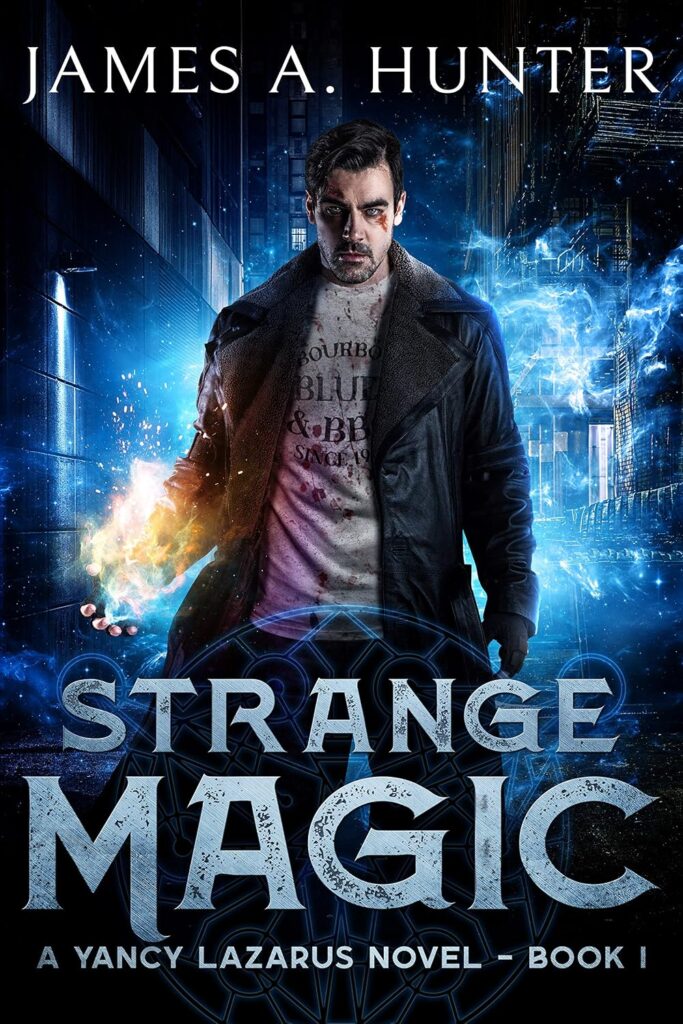
Strange Magic introduces readers to Yancy Lazarus, a paranormal fixer operating in Los Angeles whose introduction to the local supernatural underworld involves being Saran-wrapped to a banquet table with a bullet in an uncomfortable place. Written by James…
Quick Verdict
Strange Magic offers an entertaining, high-octane entry point into James A. Hunter's urban fantasy catalog. It trades deep philosophical world-building for adrenaline, humor, and gritty atmosphere, anchoring its narrative to a flawed, fast-talking protagonist. For readers who enjoy a supernatural romp complete with blues music, bourbon, and magical crossfire, this debut stands as a solid weekend read that hits all the expected genre beats.
Disclosure: As an Amazon Associate, LiaGuide earns from qualifying purchases. Affiliate relationships do not determine our editorial conclusions.
Opening and Premise
Written by James A. Hunter, the novel drops its protagonist straight into a volatile situation when a string of gangland assassinations leaves behind crime scenes smelling distinctly of brimstone.
Instead of tracking down the peaceful retirement of his dreams with good blues, bourbon, and barbecue, Yancy finds himself navigating an escalating turf war between rival otherworldly factions. With a laundry list of enemies already looking his way, he becomes the prime suspect for the escalating violence, forcing him to untangle the conspiracy before the city burns around him.
Reading Experience and Style
The narrative leans heavily into a fast-paced, shoot-'em-up urban fantasy rhythm that prioritizes snappy dialogue, high-stakes magical confrontations, and a hard-boiled attitude. Reader feedback frequently draws parallels to Jim Butcher's Dresden Files, noting a similar blend of immense, unpredictable magical power and sharp-tongued snark from the main character.
Rather than relying on slow-burn world-building, the book jumps immediately into active conflicts and keeps the momentum high through kinetic action sequences. It is built for readers who enjoy cynical, wisecracking protagonists dealing with cosmic problems using equal parts raw power and stubborn persistence.
Readers repeatedly compare the book's pacing and style to Jim Butcher's Dresden Files, noting that the rapid-fire action and first-person perspective hit very similar notes. Several supplied reviews emphasize that the narrative moves at a relentless, adrenaline-fueled pace, throwing the protagonist straight from one brutal physical confrontation into another. For action-oriented readers, this relentless momentum functions as a major draw, keeping engagement high from the opening chapter onward.
However, this breakneck momentum comes with a trade-off noted by more mixed respondents. A few notices point out that the story occasionally marks time or suffers from inconsistencies in the second half, with minor editing slips and typos creeping in as the plot unfolds. While enthusiasts enjoy being dragged along for an unyielding rollercoaster ride of magical beat-downs, readers looking for a tightly plotted mystery with seamless transitions may find the sheer volume of nonstop mayhem slightly exhausting.
One aspect receiving widespread praise across multiple reviews is the handling of the novel's conclusion. Unlike many serialized indie genre debuts that rely on an abrupt cliffhanger or a cheesy to-be-continued prompt, this book delivers a solid, self-contained narrative resolution. Readers repeatedly express satisfaction that the primary conflict wraps up cleanly while still establishing enough unresolved background threads—such as Yancy's past history with the FBI and his estranged family—to fuel future installments.
This rewarding ending momentum leaves many prospective readers eager to pursue the sequel, with multiple notices confirming that the volume successfully hooks an audience for the broader series. Even those with reservations about the predictable plot beats acknowledge that the narrative craftsmanship is strong enough to warrant continuing the journey.
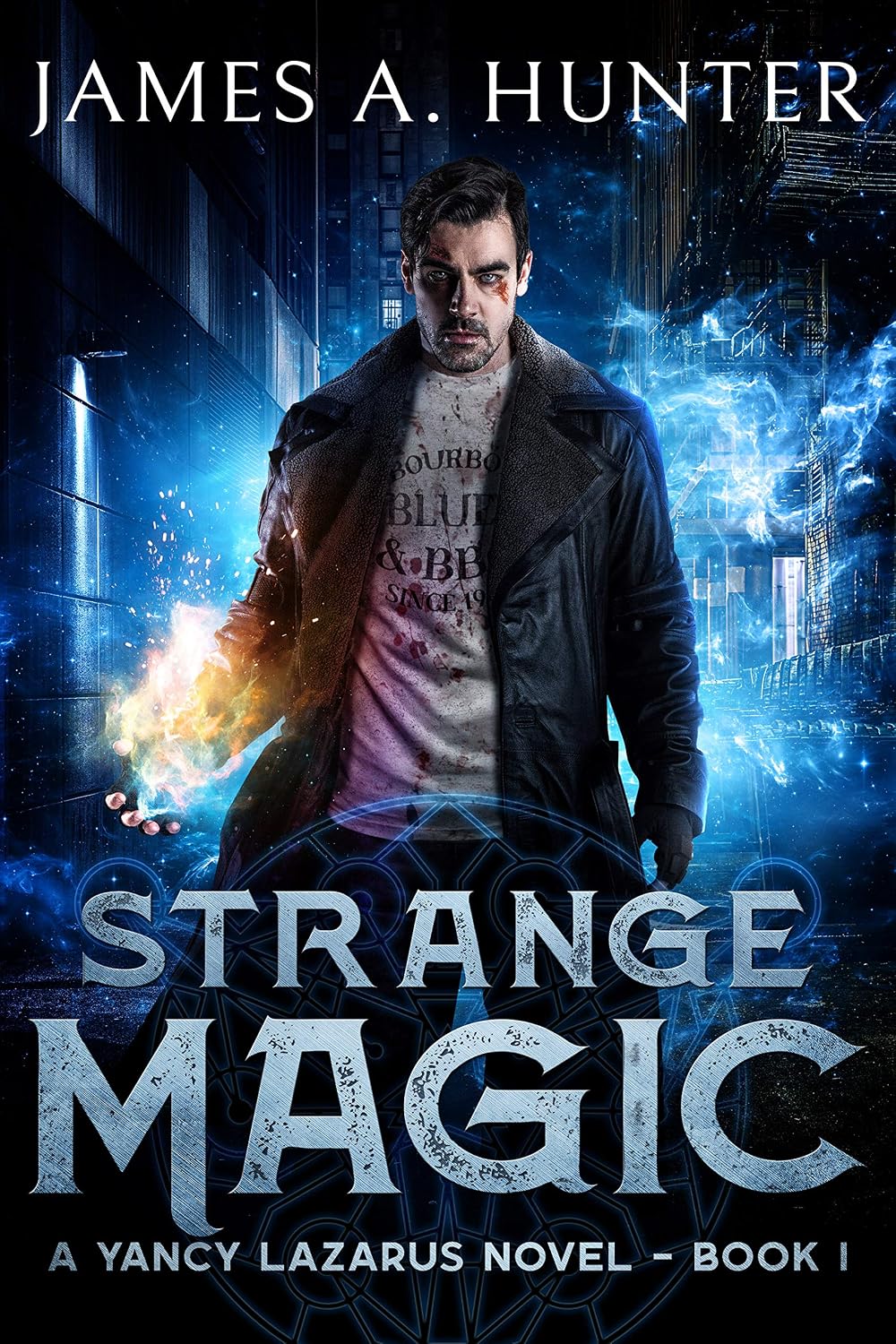
- Fast-paced urban fantasy narrative focused on magical investigations and shoot-out sequences.
- Front-and-center snark and heavy-handed attitude reminiscent of classic private investigator tropes.
- Atmospheric blend of supernatural noir, blues music culture, and modern-day crime syndicates.
- Delivers rapid-fire, high-octane action comparable to prominent urban fantasy benchmarks
- Some readers experience pacing fatigue or notice minor continuity and editing slips in the latter half
- Delivers a satisfying, complete resolution rather than a frustrating cliffhanger
- Successfully lays groundwork for future installments while wrapping up the immediate core conflict
Early Reader-Fit Signals
Fans of wisecracking urban fantasy sleuths and hard-luck mages will find an immediate comfort zone here, especially those who appreciate protagonists cut from a similar cloth as Harry Dresden. The transition into Yancy's world is quick, hooking readers who prefer immediate action over protracted exposition.
On the other hand, readers who prefer clean, polished protagonists with high moral alignment or intricate, rule-bound magic systems may find the chaotic, punch-first approach wearing. If you prefer low-stakes cozy fantasy or sprawling epic fantasy with vast ensemble casts, you should look elsewhere and stick to traditional high fantasy instead.
Readers drawn to hard-boiled supernatural mysteries will find plenty to enjoy, but the narrative style makes heavy use of familiar tropes. Those who appreciate wisecracking paranormal investigators operating in gritty urban environments will recognize narrative echoes of Jim Butcher’s Dresden Files, particularly through the protagonist’s blend of heavy firepower, chain-smoking cynicism, and overwhelming magical fallout. James A. Hunter leans hard into classic genre conventions rather than subverting them.
This stylistic choice creates a clear reading divide. Fans looking for comforting tropes, snappy banter, and fast-paced magical shoot-outs will find the pacing hits the right notes from the opening chapter. Conversely, readers seeking intricate world-building or subverted fantasy expectations might find the similarities to established templates too prominent to ignore.
Choosing between this urban fantasy debut and more complex magical procedurals comes down to whether you prefer straightforward, action-heavy pacing over deep lore exploration.
This novel suits enthusiasts of fast-moving, wisecracking urban fantasy who want an energetic protagonist facing impossible magical odds in Los Angeles. If your reading list thrives on high-stakes turf wars, gritty underworld politics, and supernatural fixers taking a beating before landing the final blow, this series opener delivers directly to that preference.
Readers who dislike heavy doses of sarcastic humor, violence driven by supernatural gang warfare, or characters who lean heavily into established hard-boiled detective archetypes should look toward alternative fantasy styles. Epic high fantasy readers or those preferring intricate, slow-burn mysteries without the snark and gunplay will likely want to skip this title.
A notable point of division among reviewers involves the depth and motivation of the antagonists. While action fans praise the physical threat posed by monsters like the Rakshasa and rival crime bosses, a detailed critique argues that the primary villain lacks adequate development. This perspective suggests that the conclusions drawn regarding why the villain acts malevolently feel forced and weak, diminishing the narrative stakes behind the turf war.
Another area of reader friction concerns secondary relationships, such as Yancy's connection to his old war buddy Greg Chandler. Some participants feel that pivotal relationships lack sufficient on-page development, making sudden plot catalysts feel slightly unearned. These contrasting reactions highlight a fundamental trade-off: readers who prioritize snappy dialogue, relentless violence, and charismatic voice tend to overlook thin villain motivations, whereas those seeking intricate mystery plotting find the antagonist mechanics lacking.
- Clashing views on villain depth, with some finding antagonist motivations weak or unearned
- Debates over whether secondary character connections receive enough structural development
Pacing, Tone, and Genre Mechanics
James A. Hunter sets a breakneck tempo from the opening lines, throwing the protagonist into an immediate, high-stress predicament involving physical restraint and hostile forces. Rather than spending chapters on gentle world-building exposition, the narrative drops readers straight into the friction of a supernatural Los Angeles turf war. The atmosphere leans heavily into hardboiled detective tropes fused with contemporary paranormal elements, creating an energetic hybrid that moves fast enough to bypass slow narrative stretches.
That velocity comes with a distinct tonal flavor defined by dark humor, underworld grit, and a heavy dose of snark. Readers accustomed to traditional high fantasy or slow-burn mysteries will encounter a much punchier, action-oriented cadence here. The prose maintains a sharp, conversational rhythm that matches the main character's cynical worldview, ensuring the momentum rarely flags even during quieter investigative beats.
- Delivers a fast, high-adrenaline narrative structure focused on immediate peril.
- Blends traditional hardboiled noir tropes with modern paranormal gangland conflicts.
- Maintains a consistent, snarky tone anchored by a cynical first-person perspective.
Character Dynamics and Comparison to the Genre
At the center of the chaos is Yancy Lazarus, a chain-smoking mage whose personality immediately invites comparisons to Jim Butcher's Harry Dresden. Reader feedback frequently highlights the strong thematic and behavioral parallels between the two protagonists, noting shared traits like immense magical power that occasionally resists full control, sharp mouths, and a persistent habit of drawing unwanted supernatural attention.
For enthusiasts of wisecracking urban fantasy sleuths, these familiar archetypes serve as a entry point rather than a drawback. However, readers looking for a radically reinvented subgenre protagonist may find the familiar rough-around-the-edges mage formula treads recognizable ground. The supporting cast of otherworldly entities and underworld fixers adds enough friction and local color to keep the interpersonal conflicts engaging throughout the investigation.
- Features a flawed, wisecracking paranormal fixer in the tradition of classic urban fantasy leads.
- Draws direct comparisons to Jim Butcher's Dresden Files in terms of tone, humor, and magical mechanics.
- Relies on established genre tropes that appeal directly to fans of contemporary supernatural mysteries.
Character Conception, Age, and the Anti-Hero Blueprint
Several supplied reviews describe the protagonist, Yancy Lazarus, as a refreshing departure from youthful fantasy archetypes by introducing a main character who is sixty-five years old while maintaining a younger physical appearance. Readers repeatedly point out that this mature perspective lends greater believability to his history, seasoned survival instincts, and hard-earned weariness compared to standard twenty-something protagonists. Rather than wallowing in melodramatic romantic angst, Yancy carries the pragmatic regrets of an adult who acknowledges past mistakes—such as leaving a family behind when magic called—without pretending he can easily undo them.
At the same time, a recurring criticism is that Yancy can feel heavily derivative of established urban fantasy figures. One detailed review argues that the character is built from a checklist of genre tropes, combining elements of several iconic wise-cracking, rule-breaking paranormal investigators into a single package. While supporters praise his relentless snark and self-deprecating humor as endearing traits that keep the pages turning, more critical readers find that this constant quip-heavy persona borders on caricature, occasionally preventing the narrative from achieving a genuinely dark or gritty tone.
- Praised for offering a mature sixty-five-year-old perspective uncommon in the sub-genre
- Criticized by some readers for relying too heavily on familiar anti-hero clichés and relentless wisecracking
Humor, Weaponry, and Worldbuilding Texture
The novel's tone heavily leans into sharp, sarcastic banter and a distinctly masculine aesthetic that praises classic cars, firearms, and blues music. Readers repeatedly point to Yancy's irreverent internal monologue—complete with descriptors like gooey tentacle thingies—as a major source of humor that balances out the grimness of gangland assassinations and demonic threats. The integration of blues culture, honky-tonks, and dive bars gives the setting a grounded, gritty flavor distinct from humid southern voodoo atmospheres.
Worldbuilding opinions are generally favorable, with supporters highlighting imaginative set pieces like the in-between zone known as the Hub. While one critical voice suggests the extensive background explanation might feel excessive for readers who prefer pure action over lore, most paranormal fans appreciate the detailed descriptions of magical mechanics, the Vis energy manipulation system, and the various supernatural factions operating just beneath the surface of Los Angeles.
- Blends sarcastic humor and grounded blues atmosphere with detailed firearms and vehicle appreciation
- Features inventive supernatural locations like the Hub, though lore depth splits opinion among minimalists
Pros and Cons
✓ Pros
- Features a refreshingly mature sixty-five-year-old protagonist with realistic physical wear and seasoned perspective.
- Delivers high-octane, nonstop action backed by sharp, sarcastic humor and a cool blues-bar atmosphere.
- Provides a satisfying, self-contained ending that resolves the primary plot without relying on cliffhangers.
✕ Cons
- Protagonist can feel derivative, compiling familiar tropes from multiple established urban fantasy icons.
- Secondary character relationships and antagonist motivations occasionally lack deep development.
- Pacing and narrative consistency can dip slightly in the latter half alongside minor editing slips.
Frequently Asked Questions
Is this book part of an ongoing series or a standalone story?
It is the first book in an ongoing urban fantasy series. While it sets up numerous background threads to be explored in later volumes, it delivers a solid, self-contained ending rather than an abrupt cliffhanger.
How does the protagonist compare to Harry Dresden?
Readers frequently compare Yancy Lazarus to Harry Dresden due to their shared traits of wielding powerful magic, standing up to rigid magical councils, and relying heavily on snark. However, Yancy is older (sixty-five years old looking forty), leans more into blues music and firearms, and carries the pragmatic regrets of an adult who left a family behind.
Final Verdict
Strange Magic has a clear case for readers whose tastes line up with its strongest supported qualities. Two strengths stand out. One strength is that it features a refreshingly mature sixty-five-year-old protagonist with realistic physical wear and seasoned perspective. Another strength is that it delivers high-octane, nonstop action backed by sharp, sarcastic humor and a cool blues-bar atmosphere. The main drawback is that protagonist can feel derivative, compiling familiar tropes from multiple established urban fantasy icons. If that trade-off conflicts with your reading preferences, this is an easy title to skip; otherwise, the review evidence supports keeping it on your reading list.
See current book details
Check the current formats and listing details for Strange Magic on Amazon.
View on AmazonAffiliate link. Product details may change.