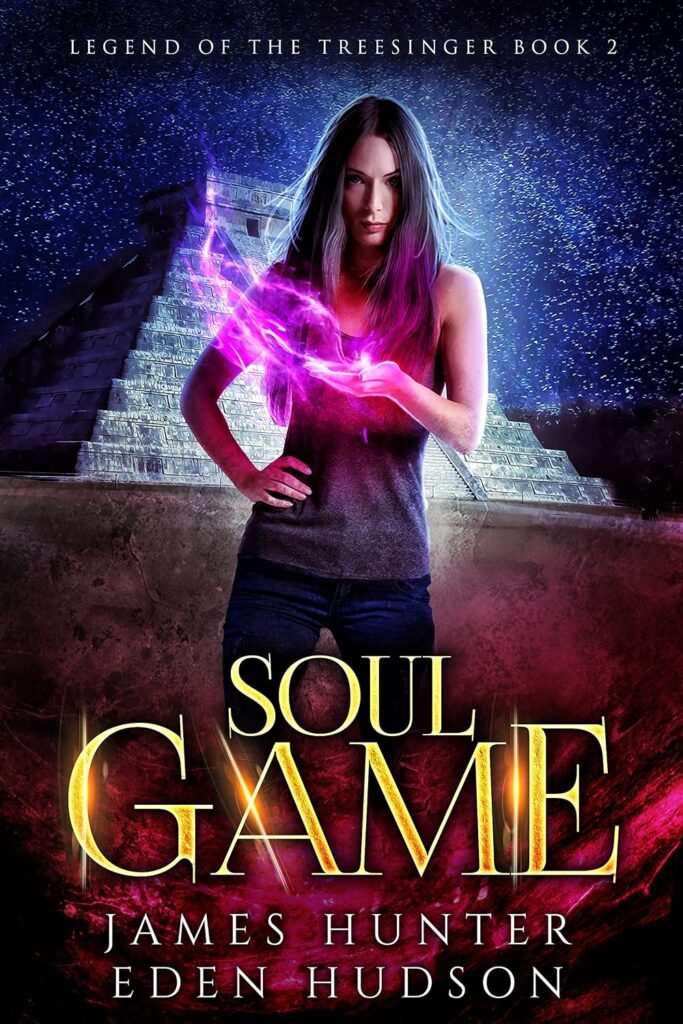
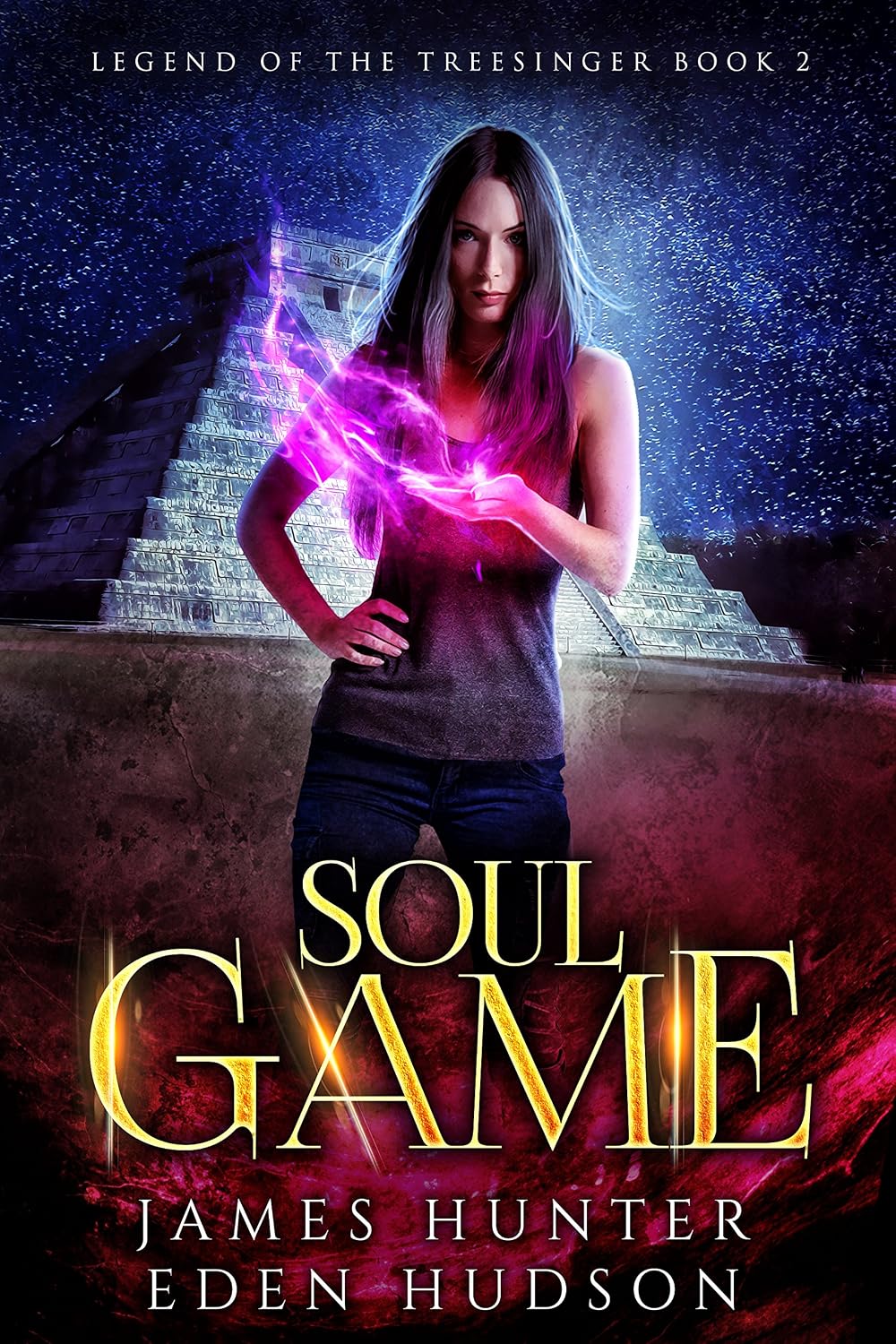
Soul Game: An Urban Fantasy Adventure (Legend of the Treesinger) drops readers into a supernatural landscape where ancient threats and modern policing collide. The story opens on a grim note when a flayed body turns up in Bigfoot…
Quick Verdict
Soul Game successfully deepens its overarching mythos by trading some of its initial levity for genuine peril and darker narrative stakes. It proves to be a rewarding continuation for established fans willing to follow Winona Treesinger into more uncompromising territory.
Disclosure: As an Amazon Associate, LiaGuide earns from qualifying purchases. Affiliate relationships do not determine our editorial conclusions.
Opening Premise and World Setup
To track down the monstrous perpetrator, she relies on her human ally, Detective Chris Fuller.
Complicating their investigation is the Lucis Venántum, an international peacekeeping organization bridging human and supernatural communities that has recently recruited Chris. Assigned to monitor Chris is Sean Smith, a hedge mage described as an annoying supervisor with a sizeable ego and an even larger inferiority complex. Together, this unlikely trio must confront a centuries-old revenge plot that threatens millions of lives.
Reading Experience and Tone
According to reader feedback, this installment leans into a darker, more visceral atmosphere than earlier entries in the series. While retaining trademark elements like witty dialogue and quirky humor, the narrative explores much graver emotional depths and more brutal investigative territory.
The pacing balances procedural mystery-solving with fast-moving supernatural danger, creating a tone that mixes modern urban grit with mythical conflict. Readers looking for high-stakes action combined with character friction will find plenty of momentum across the pages.
When it comes to narrative momentum, readers are virtually unanimous in their praise. Reviewers describe the pacing as brisk and thoroughly absorbing, noting that the plot moves swiftly without sacrificing essential character development or worldbuilding depth.
Several readers mention tearing through the book in late-night binge reading sessions, unable to put it down. Yet, this speed does not come at the expense of heart; readers note that Winona’s unwavering sincerity and the touching emotional beats in the final chapters leave a lasting impression, proving that fast-paced action can successfully coexist with genuine poignancy.
- Delivers a fast, binge-worthy narrative pace that avoids feeling rushed
- Successfully balances high-octane action with quiet character growth
- Provides a satisfying emotional core anchored by Winona's sincerity
Reader Fit and Decision Guide
This novel suits fans of contemporary urban fantasy who enjoy reluctant-alliance tropes, supernatural bureaucracy, and darker monster-hunting plots. Those who appreciated the lighter aspects of the preceding book will find that the expanded shadow and grit add meaningful depth to the overall series arc.
Readers who prefer lighthearted, whimsical fantasy without graphic elements or intense character conflict may want to approach with caution. It is an ideal pick for enthusiasts of monster-of-the-week dynamics layered into a larger, world-threatening conspiracy.
Urban fantasy enthusiasts who enjoy sprawling supernatural politics, investigative pacing, and reluctant teamwork will find plenty to latch onto here. The expansion of the Lucis Venántum brings an institutional layer to the supernatural underground, giving the monster-hunting premise broader stakes than a standard standalone hunt. It suits readers who prefer their supernatural friction grounded in complex organizational duties and personal friction rather than magic systems alone.
Conversely, audiences allergic to slow-burn team discord or those seeking a clean entry point without prior context should skip this volume in favor of the series opener. Because the plot relies heavily on established character histories and newly minted supervisory bonds, newcomers stepping in blind will miss the cumulative weight of Winona and Chris's ongoing partnership.
Darker Stakes and Pacing Mechanics
Soul Game shifts the narrative gravity significantly compared to lighter entries in the genre, plunging Winona Treesinger and her allies into a far grimmer investigative arc. The story opens on a jarring note with a brutally flayed body discovered deep within Bigfoot territory, instantly establishing a tone of raw peril that dictates the rhythm of the entire book. Reader feedback highlights a deliberate tonal evolution here; while witty dialogue and signature comedic beats still punctuate the journey, the shadow hanging over the characters feels heavier and more consequential.
This tonal shift alters how the plot unfolds. Instead of a straightforward monster-of-the-week pursuit, the investigation forces the ensemble into confrontational scenarios where the margin for error narrows to almost nothing. The pacing balances high-tension tactical friction with quieter moments of character alignment, ensuring that the darker narrative turns feel earned rather than gratuitously grim. Readers looking for high-stakes urban fantasy will find that the escalating threat level gives the central conflict real momentum.
Ensemble Dynamics and Reluctant Alliances
Much of the narrative engine relies on the friction between established companions and abrasive newcomers. Winona’s partnership with human detective Chris Fuller is complicated by the introduction of the Lucis Venántum, bringing in Sean Smith—an antagonistic hedge mage whose sharp tongue and pronounced inferiority complex test the limits of the team's patience. Review sentiment consistently points to this forced camaraderie as a primary source of both dramatic tension and situational humor.
The interpersonal friction prevents the dynamic from settling into familiarity. Because Sean is assigned as Chris’s probation supervisor, the trio cannot simply separate when disagreements peak; they must navigate their conflicting instincts while facing an adversary of unprecedented scale. For readers who prioritize character-driven urban fantasy where team chemistry develops through pressure and bickering, this uneasy alliance forms the core appeal of the book.
Readers returning to Winona Treesinger’s world will immediately notice a distinct shift in emotional weight. While earlier installments leaned heavily into fast-paced entertainment, this chapter plunges its cast into much grittier territory beginning with a brutal discovery in Bigfoot territory. That tonal darkening introduces a compelling friction among the principal characters, particularly with the addition of Sean Smith, a probation supervisor whose abrasive personality and insecurity test the patience of both Winona and human detective Chris Fuller.
This forced alliance creates a functional trade-off for followers of the series. The humor and witty banter that defined initial outings remain present, yet they now serve as brief reprieves rather than the main engine of the narrative. Readers who appreciate character growth forged through high-stakes conflict will find greater depth within these shadows, though those searching purely for lighthearted creature-feature antics may need to adjust their expectations for a more severe journey.
Deeper Shadows and Escalated Stakes
Readers repeatedly point out that this sequel takes a distinctly sharper, more aggressive turn compared to its predecessor. While the initial installment established the urban fantasy landscape with plenty of lighthearted moments, several supplied reviews describe how darkness falls faster and harder on the protagonists this time around. The narrative kicks off with a grisly discovery in the woods—a flayed body found in Bigfoot territory—setting off an investigation that pulls characters into a far more perilous environment.
Despite the heavier atmosphere, readers emphasize that the shift enhances rather than detracts from the experience. Reviewers note an epic scope that makes the story feel much larger than its page count, comparing its atmospheric weight to a massive epic fantasy novel. The integration of high-stakes supernatural battles, dramatic betrayals, and a literal river of blood injects a raw intensity that resonates strongly with fans looking for higher emotional stakes.
- Shifts from purely fun urban fantasy to a much darker, visceral tone
- Initiates the plot with a high-impact murder mystery in the woods
- Retains emotional gravity while expanding the scope into an epic journey
Character Expansion and the Addition of Sean Smith
A recurring highlight across multiple reviews is the introduction of Sean Smith, a young hedge mage assigned as a probation supervisor to Detective Chris Fuller. Initially feared by readers as an annoying third wheel or a purely comedic distraction, Sean quickly wins over the audience. Several supplied reviews describe him as a complex, well-developed figure who mixes cocky bravado with a touching, vulnerable inferiority complex stemming from his lackluster magical talents.
Reviewers praise how Sean's presence alters the dynamic between Winona Treesinger and Chris. His boisterous personality and constant need for supervision create delightful comedic friction, yet he evolves into much more than a punchline. His struggles and eventual character arc add unexpected emotional depth, helping the trio gel into a close-knit surrogate family remarkably fast.
- Introduces a chaotic yet endearing hedge mage who shakes up the core dynamic
- Balances humor with genuine psychological depth and insecurity
- Accelerates the emotional bonding of the main trio into a family unit
Romantic Subtext and Relational Chemistry
The ongoing relationship between Winona Treesinger and Detective Chris Fuller remains a massive draw for the readership. Reviewers frequently highlight the simmering attraction and sexual tension carried over from the first book, noting that it is handled with a subtle yet very obvious touch that keeps fans thoroughly invested.
This romantic tension is frequently contrasted and amplified by comedic relief, particularly when Sean is thrust into the middle of their interactions. Readers point out that the witty dialogue and clever character banter help ground the intense supernatural threats, allowing the quiet, tender moments between Winona and Chris to pack a significant emotional wallop.
- Maintains a slow-burn, highly anticipated romantic tension between the leads
- Uses witty dialogue and external interruptions to heighten comedic relief
- Balances lighthearted banter with sincere emotional resonance
Sensory Worldbuilding and Exotic Locales
Readers repeatedly praise the sheer vividness of the worldbuilding in this sequel. As Winona and Chris track the killer across an array of exotic, otherworldly locations—including a land of obsidian, dangerous magical realms, and terrifying environments inhabited by death bats—the descriptive prose stands out as exceptionally immersive.
Multiple reviewers remark on how tactile and atmospheric the writing is, noting that the environments feel genuinely alive, dangerous, and distinct. From the creepy and atmospheric terrain to the monstrous entities that populate them, the setting acts almost as an active participant in the story, heightening the peril at every turn.
- Expands the universe into richly detailed, exotic otherworldly landscapes
- Employs highly descriptive prose that creates a visceral, immersive atmosphere
- Populates the world with creative and menacing supernatural fauna
Pros and Cons
✓ Pros
- Significantly deepens the lore and atmospheric darkness compared to the first book
- Sean Smith provides a standout character arc blending comedy and vulnerability
- Immersive, highly descriptive worldbuilding featuring unique otherworldly locales
- Fast-paced, highly bingeable narrative structure with strong emotional resonance
✕ Cons
- The darker shift and intense violence might surprise readers expecting a lighthearted romp
- Secondary characters like Sean can initially feel boisterous and overwhelming
Frequently Asked Questions
Do I need to read the first book before diving into this one?
Yes, readers strongly suggest starting with the first installment to fully appreciate the established relationship dynamics between Winona and Chris, as well as the overarching supernatural lore.
Is this book purely dark and gritty, or does it retain its humor?
While the sequel introduces a noticeably darker tone, a river of blood, and higher stakes, reviewers confirm that it still features plenty of witty dialogue, laughs, and lighthearted character banter.
Final Verdict
Soul Game has a clear case for readers whose tastes line up with its strongest supported qualities. Two strengths stand out. One strength is its significantly deepens the lore and atmospheric darkness compared to the first book. Another strength is that sean Smith provides a standout character arc blending comedy and vulnerability. The main drawback is that the darker shift and intense violence might surprise readers expecting a lighthearted romp. If that trade-off conflicts with your reading preferences, this is an easy title to skip; otherwise, the review evidence supports keeping it on your reading list.
See current book details
Check the current formats and listing details for Soul Game: An Urban Fantasy Adventure on Amazon.
View on AmazonAffiliate link. Product details may change.