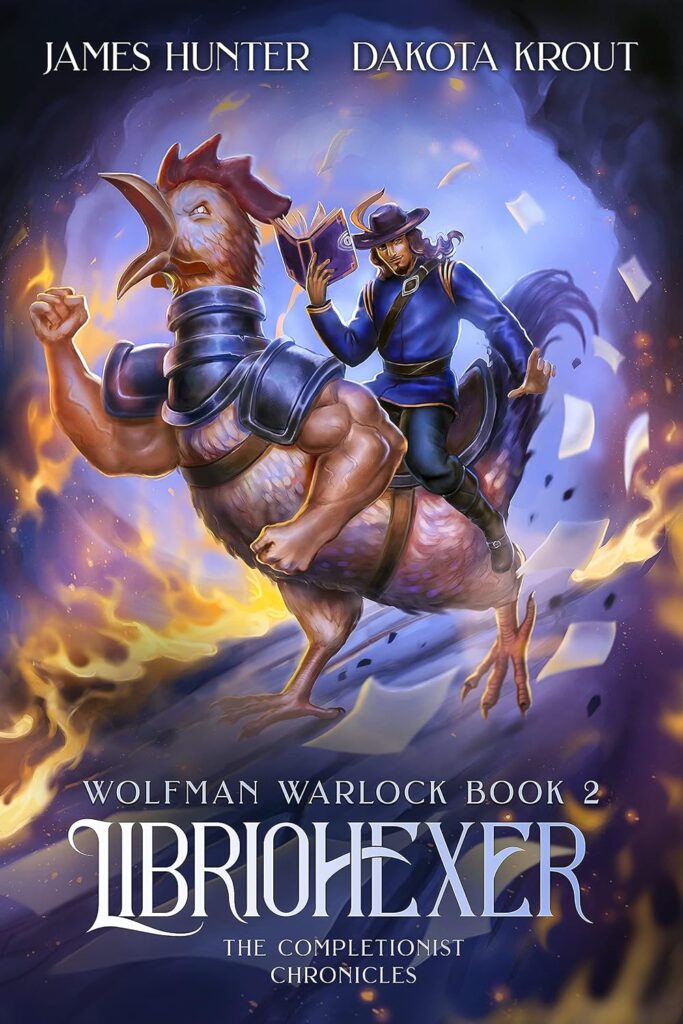
Libriohexer continues the narrative thread of the Wolfman Warlock branch within the broader Completionist Chronicles universe. Protagonist Sam King leans further into his role as a Bibliomancer, discovering that his unique powers are expanding alongside new professional and…
Quick Verdict
Libriohexer delivers a satisfying, tightly paced expansion of the Wolfman Warlock arc that rewards established series fans with clever writing and meaningful character advancement. By balancing tactical exploits with a grounded sense of pack-building responsibility, it carves out a distinct and entertaining niche within the wider universe without demanding mandatory knowledge of every downstream storyline.
Disclosure: As an Amazon Associate, LiaGuide earns from qualifying purchases. Affiliate relationships do not determine our editorial conclusions.
Premise and Core Setup
The narrative follows Sam as he navigates the complex politics of working with Wolfmen, thwarts lingering hunters, and handles unexpected fringe benefits supplied by his handler.
Beyond surviving day-to-day threats, the protagonist faces the dual challenge of advancing his class structure and establishing a functional den for his pack. The publisher framing highlights a trajectory where building a distinct path through the world of Eternium carries tangible costs. Rather than operating out of blind obligation, Sam approaches his Warlock status as a deliberate choice to chart his own course, blending magical exploits with practical resourcefulness.
Reading Experience and Pacing
Reader feedback highlights a strong sense of momentum throughout the volume, pointing to proper pacing and steady character growth that avoids making the protagonist artificially overpowered too quickly. The text balances magical combat with clever problem-solving, featuring creative exploits and interesting spells that sustain narrative engagement. For fans of the wider universe, the story maintains structural alignment with major events while preserving its own distinct flavor.
Observations from the readership indicate that the plot remains tightly wound, preventing the feeling of narrative drift that sometimes plagues multi-author or expansive game-lit formats. Reviewers note that characters and plot threads receive satisfying attention, offering a clean progression without an overwhelming number of abandoned subplots.
A recurring point of praise among reviewers is the narrative's steady, well-managed pacing. Unlike portions of the wider universe where plot threads can occasionally sprawl or stall out under the weight of excessive subplots, this sequel is frequently described as tightly plotted and purposefully driven. Readers highlight that character advancement feels earned rather than arbitrary, with clear signposts marking both individual skill growth and organizational milestones as the protagonist's pack expands.
The mechanics-driven progression receives positive marks for avoiding the trap of runaway power scaling too early. Several reviews emphasize that the protagonist feels suitably grounded, maintaining a sense of tactical vulnerability even as new abilities, spells, and class requirements come online. This careful calibration ensures that systemic upgrades feel like genuine achievements rather than effortless handouts, keeping the pages turning from the first chapter to the last.
- Maintains a disciplined, tightly wound narrative arc without wandering focus.
- Delivers satisfying structural progression and organizational expansion.
- Balances power growth to preserve tactical engagement and avoid instant-win stagnation.
Reader Fit and Entry Points
Deciding where to pick up this volume depends heavily on your familiarity with the broader Completionist Chronicles ecosystem. Reader feedback suggests that this entry can be enjoyed comfortably before reaching book four of the main series without encountering major narrative spoilers, making it a flexible detour for dedicated fans. Those reading in publication order will find that it slots neatly into the established timeline.
This book appeals most to established followers of LitRPG adventures who appreciate structured character progression, clever magical mechanics, and well-paced pacing over endless grinding tropes. Readers who prefer standalone high fantasy without game mechanics or leveling systems should look toward traditional fantasy alternatives instead.
This installment suits dedicated fans of the Completionist Chronicles universe who enjoy seeing side narratives expand the world organically. It will particularly resonate with readers who appreciate clever resource utilization, distinct class mechanics, and well-earned power scaling where characters steadily overcome logistical hurdles rather than breezing through conflicts.
Conversely, casual readers who have no prior exposure to the universe's hard-rule gaming systems may find the class-building terminology and stat-tracking elements dense. If you prefer standalone fantasy novels driven purely by traditional interpersonal drama rather than tactical progression loops and class advancement, you might want to explore broader progression-fantasy alternatives focused strictly on open-world exploration.
Progression, Pacing, and Mechanics
Readers looking for steady, tangible character growth will find that this entry avoids the stalling traps common in extended fantasy subgenres. The narrative establishes a satisfying rhythm by balancing class advancement milestones with practical pack-building responsibilities, giving Sam King clear operational objectives rather than endless wandering. Reader feedback highlights a deliberate sense of forward motion where exploits feel clever and earned rather than arbitrarily handed out.
That structured progression extends to how the protagonist's Bibliomancer abilities intersect with his role as a Wolfman Warlock. Rather than experiencing runaway power creep, Sam faces concrete organizational and magical costs for charting an independent course within Eternium. This mechanical restraint keeps the stakes grounded and ensures that acquiring new spells or managing den dynamics directly influences the broader challenges he must overcome.
Readers repeatedly point out that one of the primary joys of engaging with this installment stems from its unique positioning within a much larger shared universe. For fans who have journeyed through the primary series or companion entries, discovering a simultaneous, 180-degree opposite perspective on familiar events offers a refreshing layer of context. Several supplied reviews describe how satisfying it is to watch parallel timelines align, noting that the narrative manages to stay neatly in conversation with main-series milestones without stepping on major plot toes or forcing awkward overlaps.
At the same time, this side-story framework serves a vital structural role for worldbuilding enthusiasts. Readers observe that exploring an alternate viewpoint helps round out institutional dynamics, local factions, and background lore that the mainline perspective overlooks. This dual-sided approach creates a richer tapestry where familiar locations and conflicts take on new dimensions simply because they are filtered through an outsider's lens, rewarding long-term followers of the wider publishing ecosystem while remaining accessible enough to enjoy independently.
Closely tied to the magic system's resource consumption is a recurring discussion surrounding economic power dynamics in combat. Several observers note that while the protagonist works exceptionally hard to prepare for encounters, the mechanics of the class lean heavily into a high-cost, pay-to-win model. Because successful engagements require burning through hundreds of dollars worth of rare crafting materials and specialized spell components per fight, the character's impressive combat dominance comes with an astronomical price tag.
This financial reality shifts the emotional texture of the encounters for critical readers. Rather than feeling like classic underdogs clawing their way up against insurmountable odds, the protagonist and their pack frequently cruise through overwhelming opposition using brute-force economic supremacy. While this style of flashy, high-budget curb-stomping delivers immediate visceral satisfaction, it also means readers looking for desperate, scrappy survival against superior foes may find the power balance tilted a bit too comfortably in the protagonist's favor.
- Offers a complementary perspective to main-series events without forcing spoilers.
- Enriches the broader setting by exploring alternate regional factions and subcultures.
- Rewards universe completionists who track cross-book continuity and shared timelines.
- Examines the heavy material costs required to sustain high-tier spellcasting.
- Subverts the traditional underdog trope in favor of resource-heavy supremacy.
- Sparks debate over whether high-investment preparation diminishes tension during major fights.
Character Dynamics and Series Integration
Juggling the demands of hostile hunters, pack obligations, and an unpredictable handler gives the secondary cast plenty of room to breathe. The interactions between Sam and his fellow Wolfmen ground the fantastical world-building in gritty, practical teamwork, steering clear of disposable characters or abandoned subplots. Review consensus points to these tighter interpersonal connections as a major anchor for the pacing.
For followers tracking the wider fictional universe, the book successfully threads the needle between standalone enjoyment and shared-universe continuity. Feedback indicates that events align cleanly with the main series timeline without requiring exhaustive cross-reading, making it accessible to those tackling the books in published order while rewarding dedicated series fans with smart contextual placement.
Navigating the Trade-Offs
Readers diving into Sam King's progression as a Bibliomancer face a distinct set of structural choices regarding where this entry sits in the broader reading order. Reader feedback notes that while this volume ties neatly into major timeline events without spoiling downstream plot points from the primary series, its tighter focus on character growth and den-building creates a specific narrative rhythm. Those who prefer sprawling, multi-threaded epics might find the localized pacing and heavy emphasis on mechanical exploits to be a deliberate shift away from grand-scale conflicts.
At the same time, the narrative successfully avoids the feeling of stalled momentum that sometimes plagues long-running progression fantasy. Reviewers highlight a steady sense of tangible progress, contrasting its structured pacing with more ritualistic storytelling arcs found elsewhere in the broader universe. However, because the plot heavily prioritizes tactical spellcasting, resource gathering, and pack-management logistics, it trades away some spontaneous world-building wanderlust for focused character optimization.
- Maintains strong chronological synergy with the core series without forcing a strict sequential reading requirement.
- Leans heavily into tactical progression, clever exploits, and resource management over sweeping geopolitical conflict.
- Offers steady, visible character growth that appeals to fans of structured LitRPG mechanics.
The Thematic Paradox of the Bibliomancer: Preservation Versus Annihilation
Not all reader reactions are uniformly celebratory, particularly when it comes to the thematic implications of the protagonist's specialized magic system. One detailed review argues that a fascinating contradiction exists at the heart of the main character's identity: despite claiming a deep affinity for books and knowledge-based classes, the protagonist rarely engages in actual reading. Instead, books are treated strictly as explosive ammunition, disposable spell components, and high-value currency to be expended in high-octane combat.
This dynamic creates a sharp division in how different readers emotionally connect with the action. For bibliophiles and book lovers, watching an in-universe spellcaster incinerate libraries or blow up rare tomes can trigger a jarring thematic dissonance. While the spectacle of flashy, high-cost magical devastation is undeniably entertaining on the surface, it forces a trade-off where the aesthetic pleasure of book-themed magic clashes with the preservationist values traditionally associated with loving literature.
- Highlights a playful yet jarring contradiction between book affection and book destruction.
- Transforms traditional scholarly items into high-explosive combat consumables.
- Presents a philosophical hurdle for readers who prioritize preservation and reading culture.
Character Growth and Factional Motivations
Character evolution stands out as a major area of improvement for returning readers, particularly regarding how the protagonist's likability and interpersonal dynamics have matured. A number of reviews mention that earlier friction with the main character has smoothed out, resulting in a more approachable and sympathetic figure. Furthermore, the expansion of relationships with non-player characters and pack members gives the narrative an emotional anchor that elevates it beyond mere stat tracking and tactical skirmishes.
At the same time, some minor worldbuilding rationales face gentle scrutiny. One nuanced critique points out that the foundational conflict between the local wolfmen and human populations can occasionally feel thin, relying more on generalized racial hostility than concrete territorial or economic competition. While this friction successfully functions as a narrative engine for quests and grand schemes, observant readers note it requires a slight suspension of disbelief regarding why peace is entirely off the table.
- Features noticeable character maturation and improved likability compared to earlier appearances.
- Deepens emotional resonance through expanded relationships with supporting NPCs.
- Examines factional conflicts that serve grand adventure plots over airtight sociological realism.
Humor, Quirkiness, and Unconventional Combat Encounters
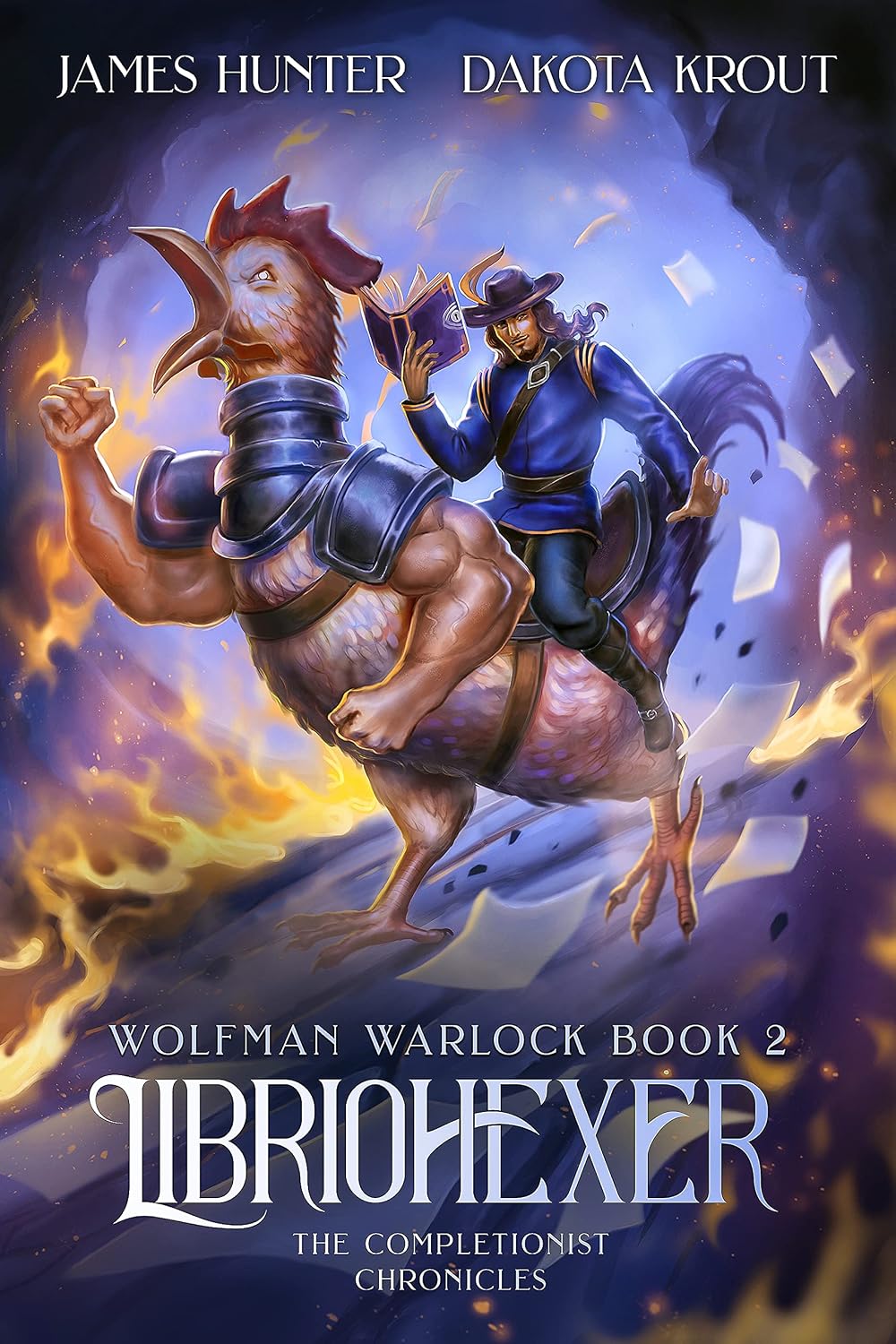
Comedy and situational absurdity remain central pillars of the reading experience, with reviewers repeatedly highlighting the witty banter and bizarre tactical scenarios peppering the journey. From unconventional companion choices—such as formidable, surprisingly dangerous agricultural fowl—to the chaotic domestic arrangements of building a new den, the narrative leans heavily into lighthearted humor that offsets the heavier systemic crunch.
This blend of high fantasy mechanics and surreal comedy ensures the pacing never feels bogged down by exposition. Reviewers appreciate that the story doesn't take itself too seriously, allowing for memorable set-pieces that showcase the unique quirks of the setting's subcultures. Whether the pack is stumbling into comical administrative nightmares or deploying poultry-based warfare, the humor consistently reinforces the entertaining, romping tone of the adventure.
- Infuses the LitRPG framework with consistent situational comedy and witty exchanges.
- Introduces eccentric combat elements, including formidable farm animals.
- Maintains a light, adventurous tone that successfully cushions dense mechanics.
Pros and Cons
✓ Pros
- Delivers a tightly paced, highly entertaining side-story that seamlessly intersects with a massive shared universe.
- Features creative, explosive spellcasting mechanics that make magical combat visually striking and dynamic.
- Improves core character likability and expands meaningful relationships with supporting NPCs.
- Blends systematic progression with laugh-out-loud humor and unconventional encounters.
✕ Cons
- Thematic dissonance for book lovers who struggle to reconcile loving literature with burning books as ammunition.
- High-cost, resource-heavy combat style can make the protagonist feel less like an underdog and more like a pay-to-win powerhouse.
- Some foundational faction conflicts rely more on generalized hostility than airtight geopolitical logic.
Frequently Asked Questions
Can I read this book without getting spoiled on the main series?
Yes. Multiple readers confirm that you can enjoy this installment—particularly if you are reading in publication order—without encountering major spoilers for the later books of the main series.
Does the protagonist feel overpowered or unearned in their growth?
Reviews are somewhat split. While the progression is praised as steady and logical, critical readers point out that the character's reliance on high-end, expensive spell components allows them to steamroll opponents rather than struggling as a classic underdog.
Final Verdict
Libriohexer: A Completionist Chronicles Series has a clear case for readers whose tastes line up with its strongest supported qualities. Two strengths stand out. One strength is that it delivers a tightly paced, highly entertaining side-story that seamlessly intersects with a massive shared universe. Another strength is that it features creative, explosive spellcasting mechanics that make magical combat visually striking and dynamic. The main reason to hesitate is thematic dissonance for book lovers who struggle to reconcile loving literature with burning books as ammunition. If that trade-off conflicts with your reading preferences, this is an easy title to skip; otherwise, the review evidence supports keeping it on your reading list.
See current book details
Check the current formats and listing details for Libriohexer: A Completionist Chronicles Series on Amazon.
View on AmazonAffiliate link. Product details may change.