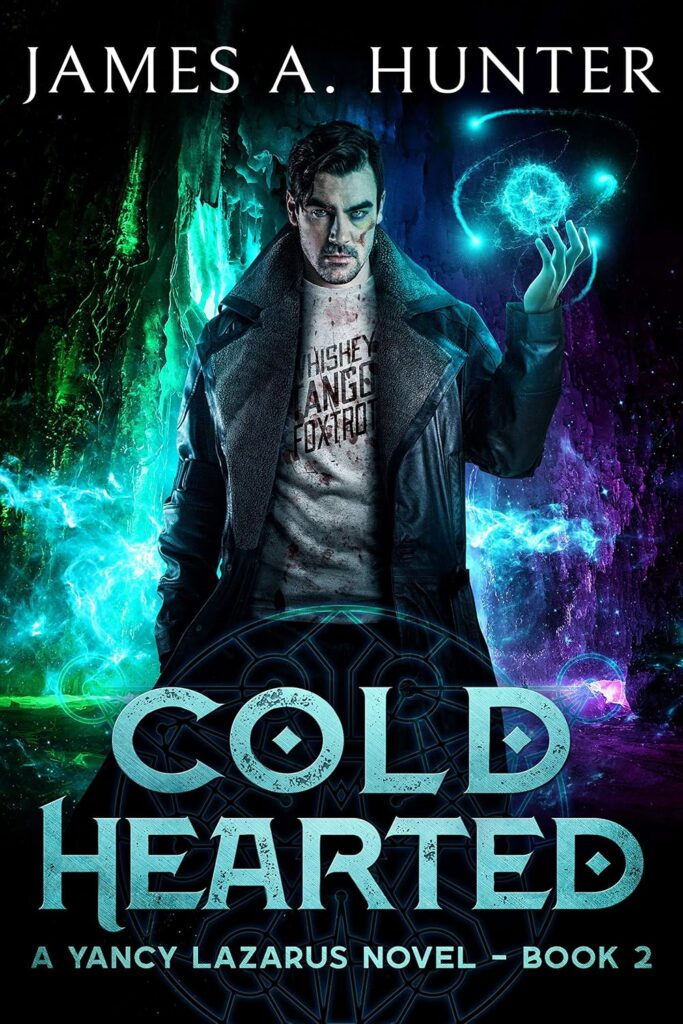
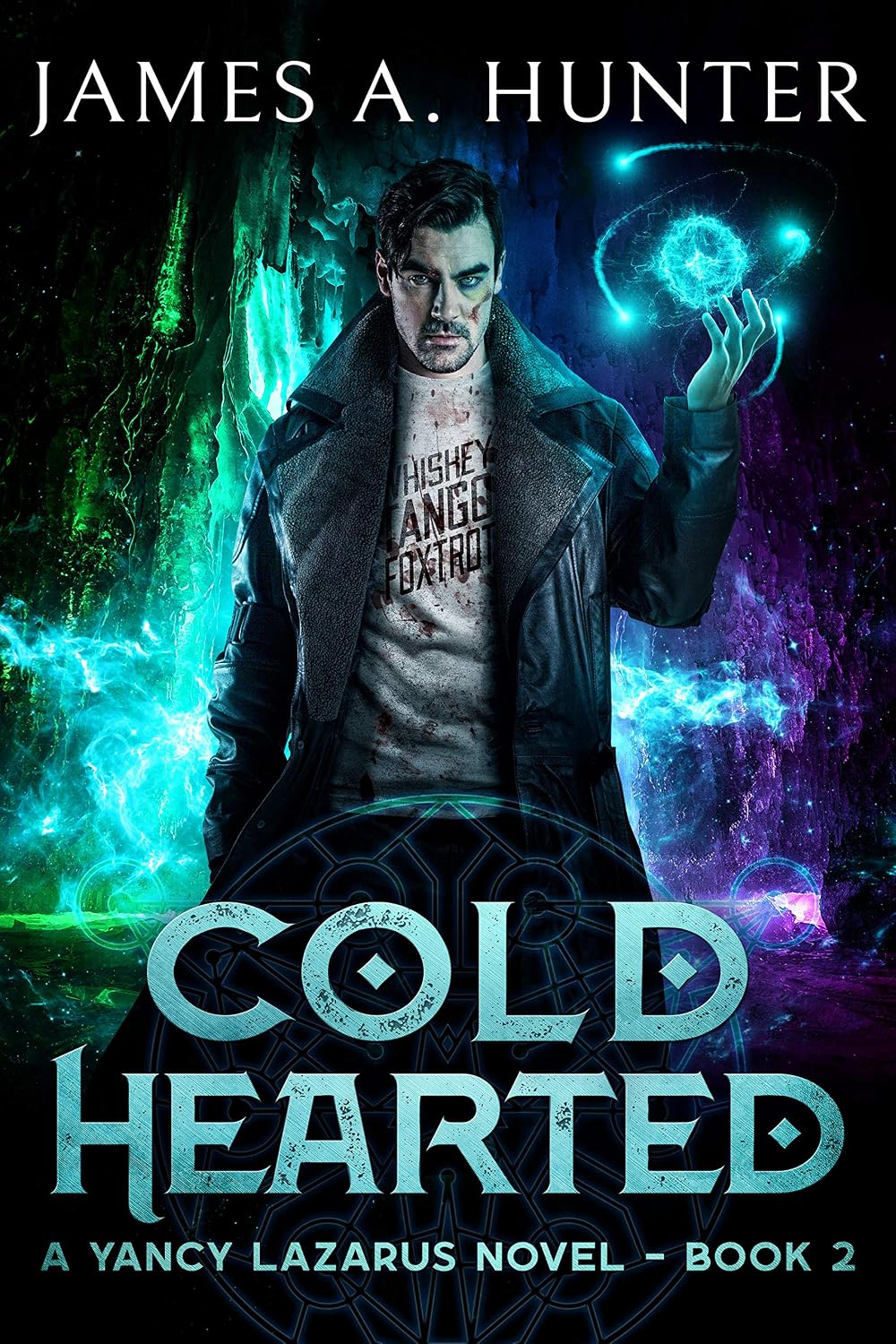
Retirement is rarely an option when supernatural coups are underway. In Cold Hearted, protagonist Yancy Lazarus would much rather spend his days playing blues music and nursing a drink than dealing with otherworldly politics. Unfortunately, an ancient fae…
Quick Verdict
Cold Hearted delivers a high-adrenaline clash against an escaped Russian necromancer, balancing classic supernatural tropes with a stripped-down, vulnerable protagonist. While the loss of magical prowess shifts the narrative style away from effortless spell-slinging, the resulting friction creates an engaging, fast-moving thriller for established series followers and action-driven urban fantasy fans.
Disclosure: As an Amazon Associate, LiaGuide earns from qualifying purchases. Affiliate relationships do not determine our editorial conclusions.
Premise and Setup
Unfortunately, an ancient fae godling upends those quiet plans by unleashing a dangerous Russian necromancer from his prison. This breakout sets off a high-stakes chain of events that pulls Yancy right back into the fray.
The narrative kicks off deep within the frozen catacombs of the Winterlands, establishing an atmospheric backdrop before accelerating into a breakneck thriller. According to publisher details and reader observations, the plot revolves around supernatural power struggles, missing persons, and institutional failure—specifically, a bureaucratic Guild that refuses to handle dangerous threats, leaving independent operators like Yancy to pick up the slack.
Reading Experience and Reader Fit
Readers who appreciate fast-paced urban fantasy driven by wisecracking protagonists will find plenty to enjoy here. The tone leans heavily into gritty, hard-boiled supernatural action, blending magical combat with grounded, blue-collar habits. Reviewers note that the pacing moves swiftly from sub-zero arctic environments to gritty confrontations, maintaining high tension throughout.
A major narrative hook for this installment is vulnerability: Yancy faces off against his most dangerous adversaries yet while stripped of his magical powers. For readers deciding whether this volume matches their tastes, it suits fans of gritty magical thrillers who prefer reluctant heroes, high-velocity plotting, and atmospheric world-building over slow-burn political intrigue.
Fans of contemporary supernatural thrillers who enjoy sarcastic protagonists, atmospheric blues undertones, and relentless pacing will find plenty to appreciate here. It suits readers who appreciate urban fantasy that prioritizes brisk plotting, witty banter, and forced-proximity team-ups over intricate, slow-burn political machinations.
Conversely, if your favorite element of the genre is elaborate magic systems with rigid rules or meticulous world-building details, this fast-moving installment may feel too lean. Readers looking for a gentle entry point to the overall mythos should also look elsewhere, as jumping straight into an escaped Russian necromancer storyline without prior context bypasses crucial foundational dynamics.
- Best for: Devotees of fast-paced urban fantasy, reluctant-hero tropes, and supernatural crime fiction.
- Skip if: You prefer methodical magic systems or want a standalone, low-stakes introduction to the setting.
Pacing and Conflict Mechanics
Readers looking for a brisk, high-stakes urban fantasy will find that Cold Hearted relies heavily on an urgent rescue mission and a cascading supernatural coup. The narrative kicks off deep within the frozen catacombs of the Winterlands, establishing an immediate atmosphere of hostile isolation before shifting into a broader race against time. Because the protagonist is forced into a corner without his usual magical toolkit, the conflict avoids easy resolutions and relies on forced alliances and grit.
Feedback patterns indicate that the pacing remains tight throughout, though the shift from isolated subterranean rescue to a sprawling political conspiracy tests some secondary plot threads. Fans of fast-moving urban fantasy who appreciate relentless momentum will find plenty to keep the pages turning, while readers who prefer meticulous world-building details over immediate action might find certain confrontations move at a breathless clip.
Character Dynamics and Tone
The dynamic between Yancy Lazarus and his reluctant FBI partner provides the emotional backbone of the book. Blending a world-weary blues-playing aesthetic with hard-boiled supernatural investigation, the characterization leans into cynical humor offset by genuine stakes. The introduction of powerful adversaries, such as an escaped Russian necromancer and rogue elements within magical governance, injects sharp friction into every conversation.
Reviewer consensus highlights the gritty, cynical humor as a major strength, though readers sensitive to abrasive protagonists or constant wisecracks under fire should take note. The tone successfully balances dark fantasy hazards with noir-inflected banter, appealing directly to those who enjoy cynical protagonists forced into team-ups against impossible odds.
The Core Trade-Offs
Choosing this installment means weighing a high-velocity urban fantasy rhythm against the narrative friction of stripping away the protagonist's primary toolkit. Because the story forces Yancy Lazarus to operate largely without his signature magical abilities, readers who prefer effortless displays of supernatural dominance will encounter a distinctly different flavor of conflict.
Instead of relying on sheer mystical force, the narrative leans heavily into gritty investigative footwork and high-stakes alliances, most notably an uneasy partnership with an FBI agent who has spent years tracking him. For some readers, this vulnerability deepens the tension and raises the personal stakes; for others, losing the magic diminishes the specific flavor that drew them to the series in the first place.
- Trade-off: Swaps effortless magical power for grounded, high-tension survival dynamics.
- Pacing: Driven by breakneck momentum and forced cooperation rather than slow world-building.
Character Evolution and the Powerless Protagonist
Readers repeatedly point to the protagonist's personal growth as a major high point of this installment, noting that the central figure feels significantly more fleshed out and compelling than in the opening outing. Several supplied reviews describe how stripping away the main character's signature supernatural abilities acts as a masterclass in character torture, forcing an otherwise arrogant operative to rely on sheer grit, mundane survival instincts, and mortal resourcefulness. Rather than whining about his misfortune, the protagonist faces his handicaps head-on, creating an engaging dynamic where his forced vulnerability humbles his usual swagger.
At the same time, this power-stripping mechanic allows the narrative to dig deeper into his internal struggles and personal history. One detailed review argues that his true worst enemy is himself, balancing external world-ending threats with internal battles against his own past. Observers appreciate that despite his brokenness and heavy burdens, the protagonist remains refreshingly free of the over-the-top, perpetual whining that sometimes plagues modern urban fantasy heroes, keeping him grounded, relatable, and entertaining to follow.
- Loss of core magical abilities forces a reliance on mundane tactics.
- Deepens internal conflict without descending into endless brooding or whining.
- Exposes vulnerabilities that humanize an otherwise larger-than-life operative.
Dynamic Partnerships and Romantic Trade-Offs
The forced pairing between the supernatural operative and an FBI investigator forms a backbone of reader praise, though it also sparks some debate. Several reviewers highlight how the investigator serves as a brilliant audience surrogate, reacting with justified shock and skepticism as she is forcefully introduced to the hidden supernatural underbelly of the world. Their initial clash of perspectives transitions into a compelling partnership as they trade highlights from their respective lives and fight back-to-back against overwhelming odds.
However, this dynamic invites a notable reader disagreement concerning romantic subplots. While some readers enthusiastically root for the romantic tension between the two leads and look forward to how their impossible relationship might evolve, others express weariness at the predictability of the trope. A recurring criticism from this latter group questions why straight male and female characters in urban fantasy can almost never remain strictly platonic, making the inevitable romantic shift a slight eye-rolling moment for those preferring purely professional partnerships.
- FBI investigator acts as a grounded, skeptical lens for the supernatural world.
- Strong chemistry during joint action sequences and quiet character moments.
- Division among readers regarding the necessity of a romantic subplot.
Pacing, Momentum, and Worldbuilding Expansion
Readers repeatedly characterize the narrative as a breakneck, adrenaline-fueled roller-coaster ride that accelerates rapidly after an initial setup phase. While a few observers note that adjusting to the early shifts between fairy realms, cold catacombs, and flashback sequences can cause temporary disorientation, the pacing soon locks into a high-gear rhythm that makes the book exceptionally difficult to put down. Action set-pieces seamlessly bleed into quieter investigative beats, ensuring the momentum never stagnates.
The expansion of the broader universe earns widespread acclaim. Reviewers frequently praise the author for weaving a vast array of mythological figures, forgotten folklore, alternate timelines, and bureaucratic guild politics into a cohesive tapestry. From hostile ice-gnomes and liches to iconic historical figures like Sir Galahad and the Holy Grail, the setting feels expansive and unpredictable without ever losing its structural integrity or becoming overly confusing to navigate.
- Fast-paced progression that accelerates rapidly after an atmospheric opening.
- Expansive integration of mythologies, alternative futures, and secret societies.
- Minor initial adjustment hurdles for readers transitioning between disparate settings.
Humor, Tone, and Emotional Resonance
The emotional architecture of the book relies heavily on a precise balancing act between sharp comedy and stark tragedy. Several reviews emphasize that the story cannot be neatly pigeonholed as purely funny or purely serious; instead, the author uses lighthearted pop-culture references, snappy banter, and the absurd antics of malicious creatures to offset the darker, more painful emotional beats. This tonal elasticity heightens the overall reading experience.
This emotional contrast ensures that high-adrenaline showdowns pack a genuine punch. Laughter triggered by minor supernatural nuisances transitions smoothly into tense, high-stakes emotional confrontation, keeping readers off-balance in the best possible way. The synergy between witty dialogue and grave danger prevents the narrative from sliding into monotony, satisfying those who demand both heart and humor from their speculative fiction.
- Effective use of dark humor to punctuate high-tension dramatic sequences.
- Pop-culture references add distinct flavor to the protagonist's inner monologue.
- Seamless blending of whimsical creature designs with genuine emotional stakes.
Comparative Reception and Genre Benchmarks
When evaluating the book's place in the broader literary landscape, multiple reviewers draw direct comparisons to established urban fantasy heavyweights, most notably Jim Butcher’s early Dresden files adventures. Readers point to the similarities in gritty supernatural investigations, snarky protagonists facing insurmountable odds, and the clever juxtaposition of mythical hidden elements with recognizable modern settings.
Furthermore, a recurring observation among seasoned fans is that this second installment represents a major qualitative leap forward compared to its predecessor. Where the first book sometimes struggled with a convoluted plot or establishing its footing, this sequel is frequently described as tighter, more emotionally mature, and vastly more confident in its worldbuilding, leading many to declare it a breakout success for the series.
- frequently compared favorably to early Dresden Files novels.
- Widely acknowledged by fans as a substantial structural upgrade over book one.
- Appeals strongly to readers who enjoy snarky investigators tackling systemic corruption.
Pros and Cons
✓ Pros
- Compelling vulnerability as the protagonist is stripped of his magical abilities
- Rich, imaginative expansion of mythologies and alternate-reality settings
- Exceptional tonal balance shifting between sharp humor and high-stakes tension
✕ Cons
- Unavoidable genre tropes, such as standard romantic developments between leads, may frustrate some readers
- Minor suspension-of-disbelief hiccups regarding specific real-world weapon mechanics
Frequently Asked Questions
Can this book be enjoyed without reading the first installment?
While the narrative provides enough context to follow the immediate conflict, readers note that jumping straight in means missing out on the foundational relationship history and guild politics established in the first book.
Does the story rely heavily on romantic subplots?
There is a prominent romantic dynamic between the protagonist and an FBI agent partner that drives significant character interaction, though opinions are split on whether this addition enhances or distracts from the core action.
Final Verdict
Cold Hearted has a clear case for readers whose tastes line up with its strongest supported qualities. Two strengths stand out. One strength is that compelling vulnerability as the protagonist is stripped of his magical abilities. Another strength is its rich, imaginative expansion of mythologies and alternate-reality settings. The main drawback is that unavoidable genre tropes, such as standard romantic developments between leads, may frustrate some readers. If that trade-off conflicts with your reading preferences, this is an easy title to skip; otherwise, the review evidence supports keeping it on your reading list.
See current book details
Check the current formats and listing details for Cold Hearted on Amazon.
View on AmazonAffiliate link. Product details may change.