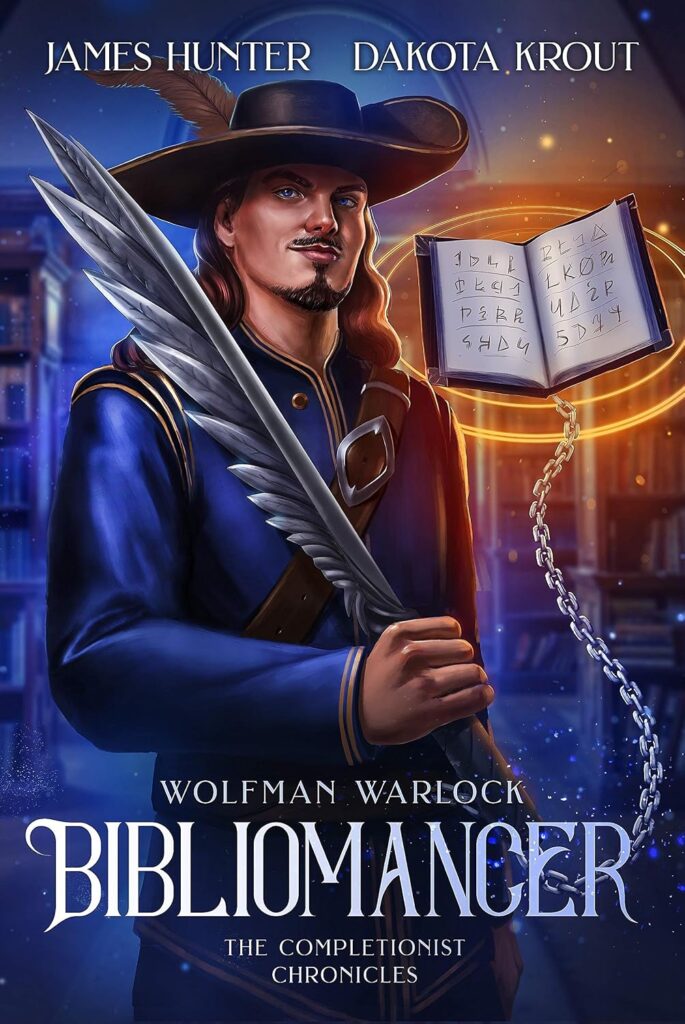
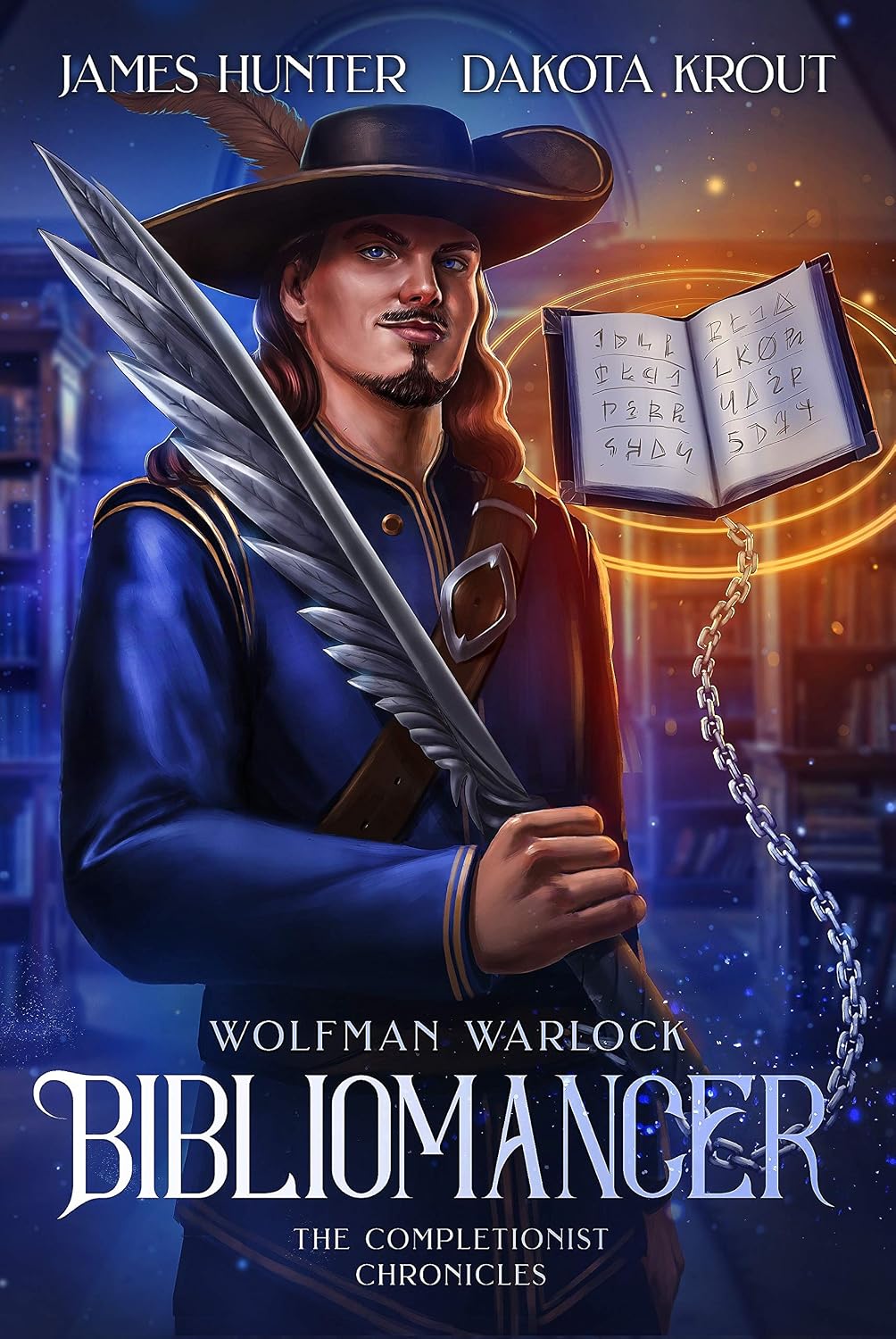
Recent college graduate Sam King expected a celebratory backpacking tour across Europe. Instead, a graduation gift transforms into a three-month immersion inside Eternium, a digital realm managed by the Certified Altruistic Lexicon. For a lifelong gamer, it initially…
Quick Verdict
This collaboration delivers a satisfying expansion that successfully enriches the established universe through a compelling alternate lens. While it retains some structural tropes familiar to the genre, the clever class design and witty companion dynamic make it a worthwhile addition for dedicated series followers.
Disclosure: As an Amazon Associate, LiaGuide earns from qualifying purchases. Affiliate relationships do not determine our editorial conclusions.
Premise and Setup
For a lifelong gamer, it initially looks like the ultimate escape filled with quests, level grinding, and loot acquisition.
That casual fantasy quickly collides with the rigid bureaucracy of the Mage’s College. Rather than offering pure entertainment, the institution demands strict adherence to aristocratic hierarchy, mandatory coursework, and a steep financial layout to progress. After crossing the administration, Sam finds himself fleeing for his life alongside an unusually talkative book and an undocumented class.
Reading Experience and Series Context
The narrative follows a familiar trajectory for readers acquainted with LitRPG conventions, tracking an initial entry phase and early-level progression. While the overarching setting overlaps with the broader Completionist Chronicles universe, this installment shifts the vantage point to offer a distinct counterpoint to the primary series protagonist, Joe.
Available reader feedback highlights the dynamic progression of Sam's acquired abilities. Watching the main character figure out how to leverage a unique and unexpected class forms a core source of entertainment, supported by collaborative writing that keeps the pacing sharp and engaging for fans of the genre.
One of the most frequently discussed aspects of the reading experience is its distinct pacing division. Multiple reviews highlight that the book operates as a slow-burn narrative, spending a significant portion of its first half bogged down in strict academic regulations, heavy hazing, and restrictive preparation. Several readers note that life outside the college walls—where characters can finally grind levels and engage with broader adventuring elements—does not truly take center stage until roughly a third or even halfway through the story. For some, this dense setup tests their patience.
However, sentiment shifts noticeably once the narrative clears this initial hurdle. A number of detailed reviews argue that once the protagonist escapes the immediate confines of the college and encounters external threats like the wolfmen, the energy and engagement levels rise sharply. Readers who pushed through the exhaustive preamble generally report that the second half delivers the fun, creative progression they were looking for, though opinions remain split on whether the lengthy setup required such extensive page time.
- First half dominated by restrictive college routines, heavy studying, and slow progression
- Pacing accelerates dramatically once the protagonist breaks free into broader world exploration
- Requires reader patience during initial setup before delivering core gameplay rewards
Reader Fit and Audience Signals
This novel suits established fans of LitRPG progression fantasy who enjoy systemic rule sets, stat tracking, and institutional underdog stories. Readers who appreciate seeing familiar fictional worlds expanded through a fresh lens will find plenty of rewarding perspective shifts.
Anyone seeking standalone high fantasy without game mechanics, statistics, or inventory management should look toward traditional fantasy alternatives instead. Similarly, readers who prefer fast-paced external action over institutional politics and magical academy bureaucracy may want to weigh those structural elements before diving in.
Fans of the broader series will find an engaging counter-character dynamic here, offering a rewarding expansion of the world's lore. It serves as a strong pickup for readers who enjoy watching an underdog leverage unusual, out-of-the-box powers to overcome bureaucratic hurdles.
Conversely, absolute newcomers to the genre who are unfamiliar with LitRPG stat tracking, leveling loops, and game-world mechanics might find the framing device less accessible. Readers seeking standalone fantasy stripped of game progression elements should look toward conventional progression fantasy or traditional secondary-world adventures instead.
Pacing, Progression Mechanics, and Perspective Shift
Readers stepping into this installment encounter a familiar structural beat: an introductory phase focused on game entry and early-level progression. While this mirrors the onboarding rhythm of the broader series, it utilizes a distinct vantage point to reframe familiar settings. Rather than retreading old ground identically, the narrative leverages a fresh protagonist to explore the mechanics from a different angle.
Character growth revolves around acquiring and experimenting with unique classes, providing an engaging loop as abilities develop. Feedback patterns indicate that watching the main character master unconventional powers anchors the progression, balancing the foundational world-building with satisfying mechanical evolution.
The mechanics governing the protagonist's abilities spark distinct economic and thematic discussions among reviewers. Unlike characters in similar progression fantasy who start from zero and scrape by on grit alone, this protagonist comes from a wealthy background. Several readers point out that his unique class and specialized magic style rely heavily on pay-to-win mechanics and expensive resource management. This element creates a dual reaction: some find it a refreshing and believable reflection of modern gaming culture, while others feel it borders on frustratingly niche.
Furthermore, observers note that because magic is exceptionally rare in this setting, combined with his high-end financial backing, the protagonist risks tipping into Chosen One territory. While he is explicitly not overpowered or all-powerful, the economic gap between his capabilities and ordinary participants adds a distinct flavor to his progression. Readers who have experienced predatory monetization in actual games occasionally roll their eyes at how effortlessly wealth solves initial progression barriers, though others enjoy seeing how financial privilege interacts with rigid magical bureaucracies.
- Protagonist utilizes wealth and pay-to-win mechanics to sustain rare magic use
- Creates varied reader reactions ranging from amused realism to mild eye-rolling
- Maintains a balanced power level despite unique advantages and scarce magic access
Character Dynamics and Series Fit
The protagonist enters the immersive world of Eternium expecting a straightforward gaming vacation, only to collide with the rigid hierarchy, strict regulations, and pay-to-play culture of the Mage’s College. This friction pushes him into conflict, fleeing alongside an articulate, back-talking book while wielding a hidden class.
Review sentiment highlights how effectively this lead counterbalances established figures from earlier series entries. For readers invested in the expanded universe, the interplay between familiar lore and a new personality style delivers a strong expansion of the fictional ecosystem without feeling redundant.
Humor, dialogue, and companion dynamics form a core pillar of praise across multiple reviews. The inclusion of a talkative, soul-devouring magical book as a primary companion provides substantial comedic relief and witty banter. Readers frequently highlight specific humorous exchanges—such as magical tomes invoking ancient compacts and rules of 'dibs'—as standout moments of levity. The writing style maintains a consistent stream of lighthearted jokes, pun-heavy dialogue, and systemic notifications from the in-game artificial intelligence.
At the same time, these comedic elements receive mixed technical feedback. Some reviewers observe that the protagonist's frequent deployment of puns can feel hypocritical when he simultaneously expresses annoyance at his companion's even worse wordplay. Additionally, the sheer volume of italicized system comments and snarky notifications overwhelms certain readers, while others embrace the lighthearted, game-centric atmosphere as precisely what the genre demands.
- Features a snarky, soul-devouring book companion that drives much of the humor
- Abundant use of system notifications, puns, and playful dialogue
- Divides readers on whether constant italicized text and wordplay enhance or clutter the read
Navigating the Trade-Offs
Readers diving into this installment will find a familiar LitRPG landscape if they have explored the wider Completionist universe. Revisiting these settings from a fresh perspective provides an entertaining angle, though it means trading entirely uncharted territory for a clever parallel viewpoint.
The narrative leans heavily into the contrast between rigid academic bureaucracy and untamed progression. For those who prefer fast-paced, unhindered grinding right out of the gate, the early focus on institutional regulations and college politics might slow the momentum before the unique class mechanics fully kick into gear.
Expanding the Eternium Sandbox: Parallel Perspectives and Series Familiarity
Readers repeatedly point out that stepping into a familiar universe from a fresh angle provides an intriguing framework for a companion series. Several supplied reviews describe how the narrative revisits foundational settings established in earlier works, particularly the mage's tower environment and early-game progression milestones. For veterans of the broader literary continuity, this creates an immediate sense of recognition, letting followers observe familiar mechanics and institutional pressures through an alternate lens. At the same time, this shared foundation is the source of considerable debate among the readership.
A recurring criticism is that the opening segments lean too heavily on previously explored territory, making initial chapters feel somewhat repetitive to seasoned fans. Several readers note that watching a new protagonist navigate a very similar academic crucible robs the early chapters of genuine novelty. Conversely, newcomers or those who appreciate seeing familiar lore expanded from an antagonist-in-training's point of view find the setup comforting and accessible. This division highlights a structural tension inherent in expanding established game worlds: satisfying legacy fans while maintaining independent narrative momentum.
- Revisits early-game Eternium mechanics and institutional settings from a fresh viewpoint
- Divides readers who prefer entirely novel territory versus those who enjoy overlapping series lore
- Serves as an accessible entry point for newcomers unfamiliar with previous installments
Stakes and Urgency: Contrasting Protagonist Motivations
A recurring comparative critique involves the psychological stakes driving the main character compared to heroes in sister series. Reviewers note that because Sam is essentially taking a planned, short-term immersive gaming trip as a graduation present, his journey lacks the desperate, perma-character survival urgency found in other foundational books. There is no overriding dread of permanent entrapment or life-altering ruin; instead, he is largely playing for leisure and reacting out of student outrage against overbearing academic hierarchies.
This difference in stakes influences how invested readers become in his emotional arc. Several critical assessments point out that the character arc can feel emotionally muted or straightforward, as his primary friction stems from institutional bureaucracy rather than existential peril. For readers who love high-tension survival LitRPG, this relaxed, privileged motivation reduces emotional engagement, whereas those seeking a lighter, lower-stress academic romp find his perspective refreshing and amusingly detached.
- Lower existential stakes due to the protagonist treating the dive as a temporary vacation
- Emotional arc driven more by academic rebellion than desperate survival
- Creates a split between readers seeking high-tension drama and those preferring casual progression
Navigating the Trade-Offs: Series Continuity vs. Standalone Freshness
Evaluating the book requires weighing its dual identity as both a standalone expansion and an obligatory piece of a larger narrative puzzle. One detailed review argues that while the writing craftsmanship remains high and structurally competent, the authors operated with one hand tied behind their back by adhering too rigidly to an existing narrative blueprint. Antagonist motivations remain somewhat obscure and underdeveloped, functioning more as structural necessities than fully fleshed-out threats.
Despite these narrative compromises, consensus among satisfied readers suggests that the book succeeds as foundational worldbuilding. Even those who found parts of the journey slow or unengaging concede that it sets up vital groundwork for future installments. Readers approach this title knowing it acts as a bridge; while it might not capture lightning in a bottle quite like the series opener, it establishes mechanics and character placements that promise greater narrative payoffs down the line.
- Serves as essential reading for series completionists despite some predictable plotting
- Antagonist motivations remain thin, serving structural roles rather than deep psychological depth
- Acts as a foundational bridge building robust groundwork for subsequent sequels
Pros and Cons
✓ Pros
- Clever implementation of unique magic classes like the Bibliomancer and entertaining companion dynamics
- High-quality writing prose with seamless game system integrations and witty AI notifications
- Engaging second-half worldbuilding once the narrative moves beyond the confines of the academy
✕ Cons
- First third suffers from slow pacing, heavy academic hazing, and recycled series material
- Protagonist's privileged background and pay-to-win mechanics reduce survival urgency for some readers
- Excessive use of italicized system text and repetitive puns can overwhelm certain audiences
Frequently Asked Questions
Can I read this book without reading the rest of the Completionist Chronicles?
Yes, several reviewers note that it can function as a standalone or an accessible entry point into the Eternium universe, though series veterans will catch additional lore references and overlapping timeline connections.
Does the book feature fast-paced action right from the start?
No, multiple readers caution that the first 30 to 50 percent is a slow-burn setup focused on academic regulations, training, and institutional friction before opening up into broader exploration and adventuring.
Final Verdict
Bibliomancer: A Completionist Chronicles Series has a clear case for readers whose tastes line up with its strongest supported qualities. Two strengths stand out. One strength is its clever implementation of unique magic classes like the Bibliomancer and entertaining companion dynamics. Another strength is its high-quality writing prose with seamless game system integrations and witty AI notifications. The main drawback is that first third suffers from slow pacing, heavy academic hazing, and recycled series material. If that trade-off conflicts with your reading preferences, this is an easy title to skip; otherwise, the review evidence supports keeping it on your reading list.
See current book details
Check the current formats and listing details for Bibliomancer: A Completionist Chronicles Series on Amazon.
View on AmazonAffiliate link. Product details may change.